Complete Blackout Blinds: What a Home Cinema Room Actually Needs
Complete blackout blinds get left until last in a home cinema build, and they decide whether the picture survives a bright afternoon. A projector does not overpower stray light; it loses to it. Everything else can be right, and one line of daylight at the side of the window still flattens the image.
Key Takeaways
- Contrast is the real target. Sleeping needs dark; a screen needs no light on it.
- The window has four leaks. Fabric, both sides, the top, the bottom bar.
- Edges beat fabric grade. A sealed path matters more than the cloth’s opacity.
- Pale walls undo the work. Light that gets in bounces onto the screen.
- Evening viewing needs none of it. The case for the spend is daytime use.
Why a Cinema Room Is Harder Than a Bedroom
Your eye adapts. Sit in a dim room a while and leaks you would never notice while falling asleep become obvious, because the pupil has opened. A bedroom passes when you can sleep; a viewing room passes when black on screen still looks black.
Blackout blinds for windows are specified for sleep almost everywhere you read about them, and sleep is a forgiving customer. Complete blackout blinds are what the stricter test asks for.
What Complete Blackout Blinds Have to Close
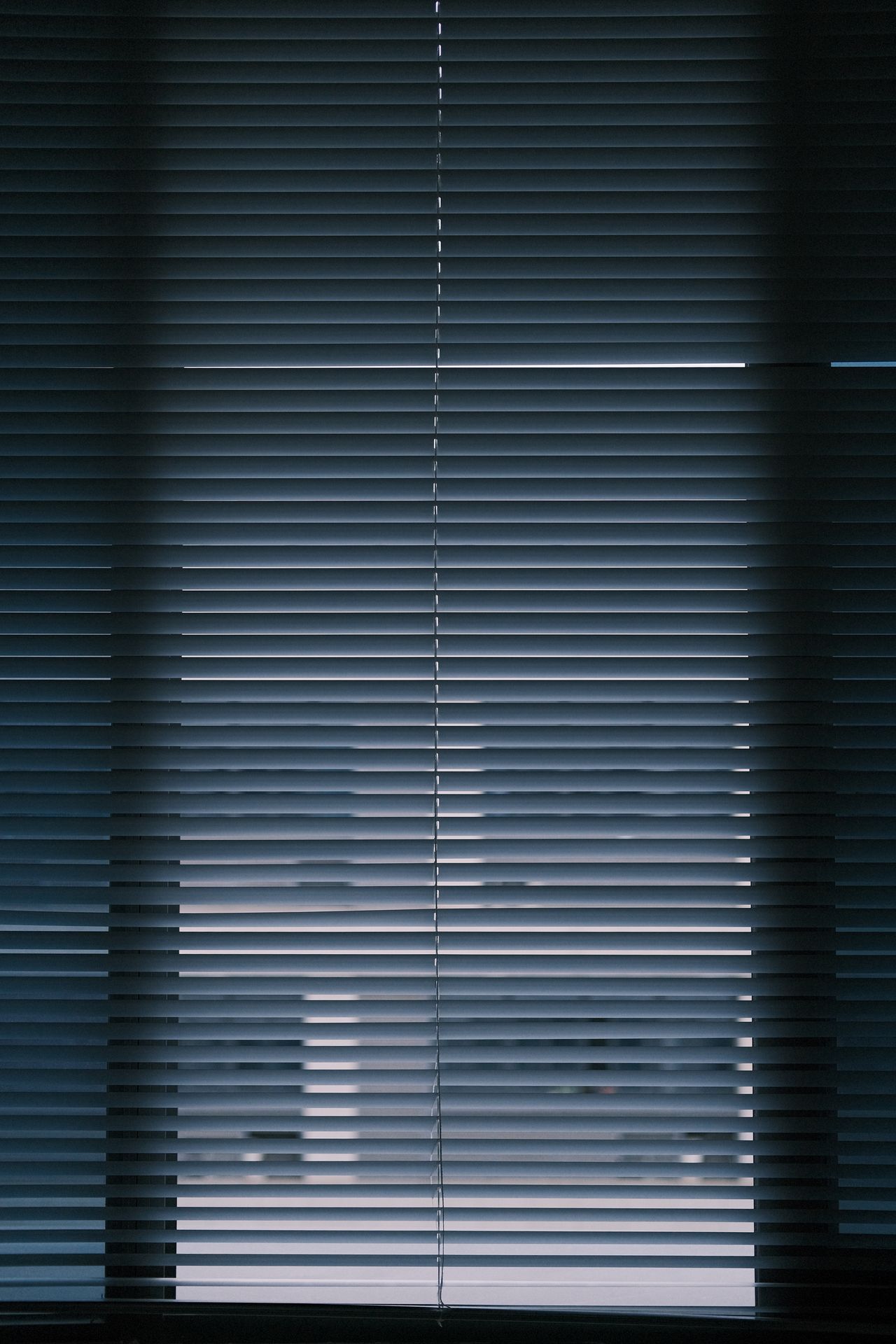
Four paths, and the fabric is only the first. Light comes round the sides, over the top where the roller sits proud of the window, and under the bottom bar.
Sides are the stubborn one. A blind held in channels at each edge, such as a honeycomb blind running in side channels, takes that path out and keeps the fabric flat. Shops list it as blackout blinds with side tracks or blackout blinds with frame, depending on who wrote the page.
Top and bottom are a measuring problem, not a product one. Made to measure blackout blinds run the cloth past the opening at both ends, and 1 Click Blinds cuts to whatever you give it, so give the generous number.
The Wall Behind You Matters Too
Seal the window perfectly and a second problem remains. The screen throws light into the room, it lands on whatever sits behind you, and some returns as a grey wash.
A white ceiling is the worst offender, then a pale rear wall, then a mirror or a glossy sill. Once the window is sealed, darker surfaces do more for contrast than complete blackout blinds can. That fix is free, which is why no retailer leads with it.
Daytime Viewing Against Evening Viewing
Be honest about when the room gets used. After dark the window does nothing and a heavy curtain would serve. Complete blackout blinds earn their place at two on a July Sunday afternoon.
Blackout roller blinds alone handle an evening room well. For daytime, the channels and the overlap stop being optional. Look at 1clickblinds.co.uk with the four leak paths in mind.
Frequently asked questions
Which blinds are best for blackout?
Any blind held at the edges rather than hanging free. Honeycomb and roller fabrics both block light well on their own, so the difference between a good result and a poor one is the fixing: side channels, a generous overlap at the top, and a bottom bar that meets the sill.
How do you make blinds blackout?
You cannot turn a translucent fabric opaque, so the honest answer is that you replace the cloth. What you can improve is the leak path around a blind you already own. Refitting it outside the reveal so it overlaps on all four sides, or adding edge channels, closes most of what a fitted blind lets through.
What are the best blackout blinds for a bedroom?
A simpler specification than a viewing room needs. Sleep tolerates a faint edge glow, so a well measured roller fitted outside the reveal usually does the job without channels. Spend the difference on getting the width right rather than sealing every edge, unless someone wakes at first light in June.