
A good night’s sleep is essential for health and well-being, and the role of the perfect pillow in achieving this cannot be overstated. Selecting the right pillow can profoundly impact sleep quality by providing the necessary support and comfort. This comprehensive guide will explore the key factors in choosing the perfect pillow to ensure restful nights.
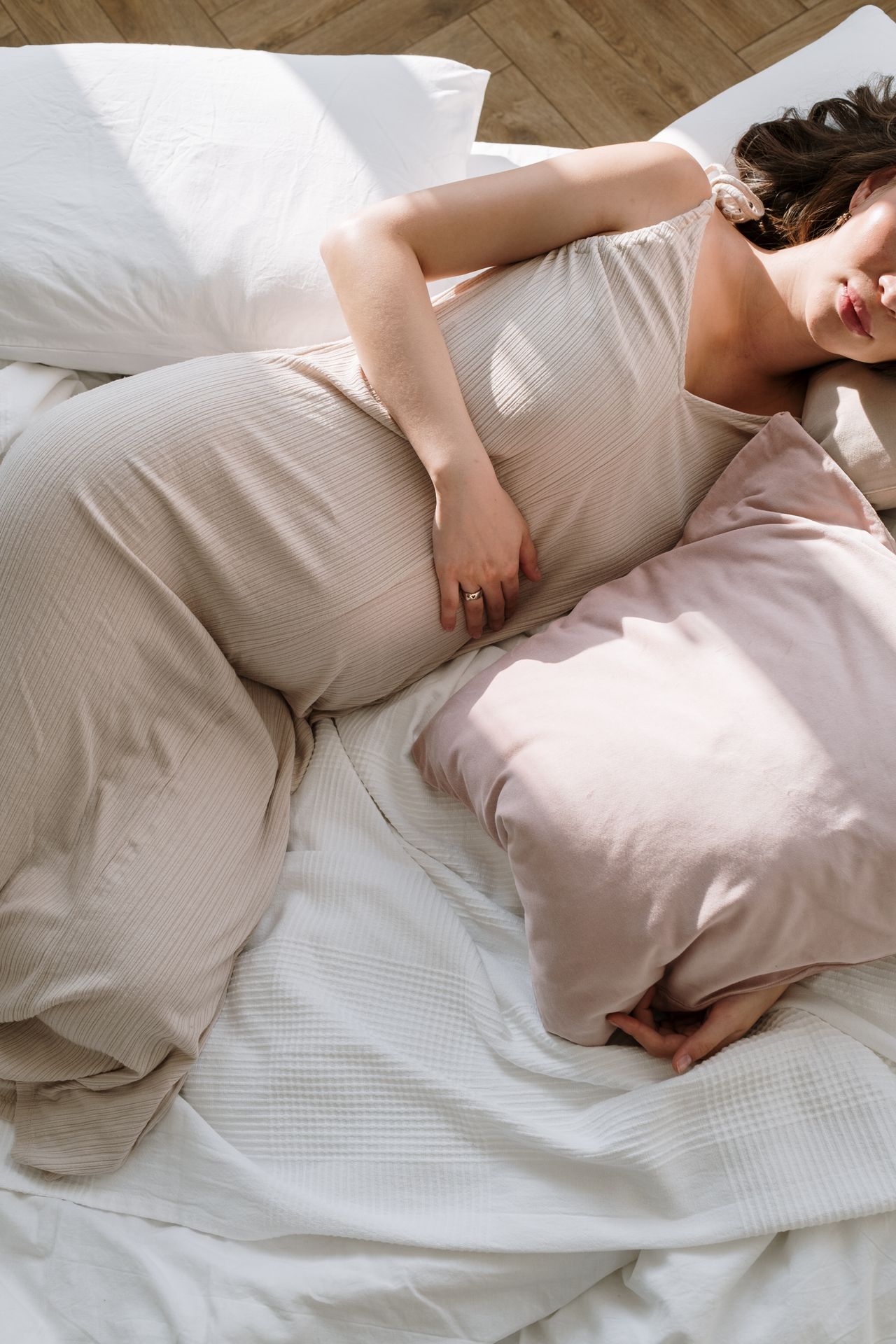
One critical aspect of pillow selection is considering individual needs and sleeping positions. For example, a pregnancy pillow offers specialised support designed specifically for expectant mothers, helping to relieve pressure points and promote optimal spinal alignment during sleep.
Understanding Different Pillow Types
Pillows come in a variety of types, each with distinctive materials and design features. Common varieties include memory foam, latex, feather, and polyester fill. Memory foam pillows conform to the shape of the head and neck, providing customised support that can help reduce stiffness and pain.
Latex pillows offer durability and a resilient support structure, often preferred by individuals seeking a firmer feel. Feather pillows provide a softer, more malleable option with natural insulation, while polyester fill offers affordability and ease of maintenance.
Choosing the appropriate pillow type requires assessment of one’s personal preferences in terms of feel and support, as well as any allergies or sensitivities to certain materials.
Sleeping Positions and Pillow Selection
The way one sleeps significantly influences the ideal pillow choice. Side sleepers generally require a firmer, thicker pillow to fill the gap between the shoulder and head, maintaining proper neck alignment. Back sleepers benefit from medium firmness pillows that support the natural curve of the neck without elevating the head excessively.
Stomach sleepers should opt for a softer, thinner pillow or sometimes no pillow to avoid strain on the neck and spine. Understanding sleeping posture is therefore vital when evaluating which pillow will provide the best support and comfort throughout the night.
Support and Firmness Considerations
Proper support is fundamental to preventing neck and back pain. Pillows should help retain the natural curvature of the cervical spine. Firmness levels vary from soft to extra firm, with the choice depending on individual comfort and support needs. Firmer pillows tend to maintain shape better and support heavier heads, whereas softer pillows provide cushioning and comfort for lighter support requirements.
It is advisable to test various firmness options to ascertain which provides the optimal balance of comfort and support for sustained, pain-free sleep.
Size Matters: Choosing the Right Pillow Dimensions
Pillows are available in standard, queen, king, and specialty sizes. The size should complement the bed dimensions and provide adequate surface area to support head and neck movements throughout the night. Larger pillows offer more space for movement but may not suit all bed sizes or sleeping habits.
Selection of an appropriate size also depends on personal preference and physical dimensions such as shoulder width and neck length, to ensure optimal ergonomic alignment.
Material Allergies and Hypoallergenic Options
For individuals with sensitivities or allergies, the pillow material choice is crucial. Hypoallergenic pillows made from synthetic or natural materials can reduce the risk of allergic reactions by resisting dust mites, mould, and other allergens.
Proper maintenance and regular cleaning of pillows further enhance hygiene and reduce allergen accumulation, contributing to better respiratory health during sleep.
Temperature Regulation in Pillows
Temperature control is an often overlooked factor in pillow comfort. Certain materials, such as gel-infused memory foam or breathable latex, offer enhanced ventilation and moisture-wicking properties. These features help maintain a neutral sleep temperature, preventing overheating and discomfort throughout the night.
Longevity and Maintenance
The lifespan of pillows varies according to material and usage. Regular inspection for loss of shape, lumps, or support decline is important. Proper care, including use of pillow protectors and adherence to washing instructions, extends pillow longevity and maintains hygiene standards.
Cost Considerations
Pillow prices range widely based on material quality, design, and brand. Higher-priced pillows often offer superior materials and enhanced ergonomic features, but it is essential to balance budget constraints with personal comfort needs to achieve the best value.
Specialised Pillows for Specific Needs
Beyond general use pillows, specialised options such as contour pillows, body pillows, and the aforementioned pregnancy pillow cater to particular support requirements. These products are designed to alleviate specific discomforts or enhance overall sleep posture.
Where to Purchase Quality Pillows
Retailers specialising in sleep products and bedding offer a wide range of pillow options. Shopping from reputable suppliers ensures access to comprehensive product information and expert advice, facilitating informed decisions for optimal pillow selection.
Summary
Choosing the perfect pillow for a restful night’s sleep encompasses understanding individual sleeping positions, firmness preferences, material sensitivities, and specialised needs. Prioritising these factors contributes to improved sleep quality and overall health outcomes.
Exploring options such as the pregnancy pillow for expectant mothers or ergonomic contour pillows for neck support exemplifies how targeted choices enhance sleep comfort. Regular assessment and appropriate care maintain pillow effectiveness and hygiene, ensuring lasting restful nights.