
You’ve got a marketing budget, a campaign deadline, and a choice to make – do you go with the tried-and-true billboards, or do you invest in something that literally stands up and demands attention? Inflatable advertising and billboards both serve the same core purpose: get eyes on your brand. But the way they do it, what they cost, and how well they fit your goals differ significantly. This guide breaks down both formats side by side so you can make the smartest decision for your next campaign.
How Each Format Grabs Attention in the Real World
Visibility, Movement, and the Power of Physical Presence
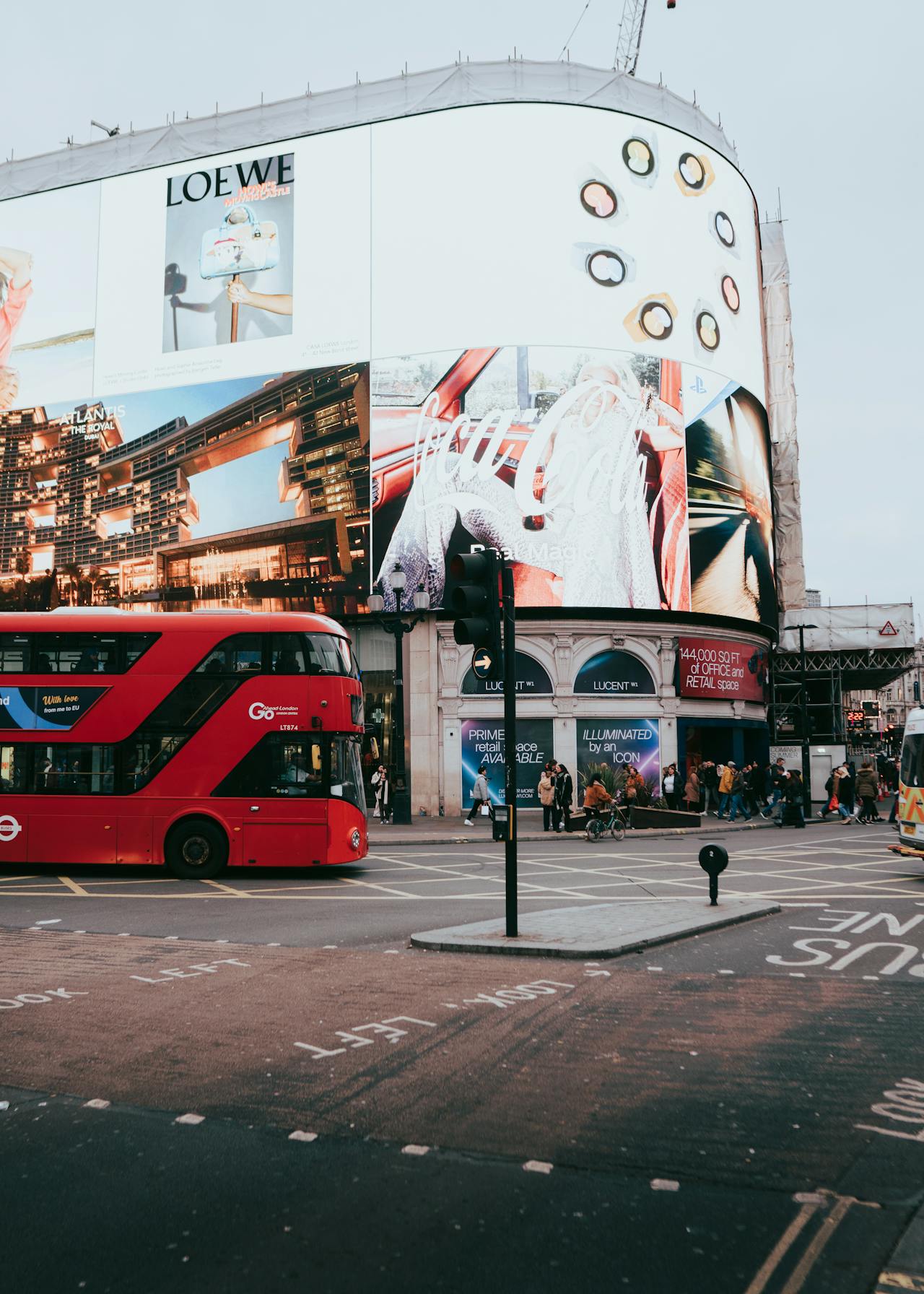
Billboards have scales on their sides. A well-placed billboard along a busy highway or downtown corridor reaches thousands of commuters every single day. The exposure is passive, meaning people see it without any effort on either side. But familiarity is also the billboard’s weakness. Drivers pass the same routes repeatedly, and over time, the brain starts to filter out static images. What once grabbed attention becomes part of the background noise.
Inflatable advertising operates on a different principle entirely. A giant 3D product replica or a branded inflatable character at street level triggers curiosity. It’s unexpected, it’s physical, and it occupies real space in a way that flat signage simply cannot. Inflatable advertising from Floatie Kings, for example, is built to stop people mid-stride and create moments that get photographed and shared on social media. That organic reach extends your visibility well beyond the physical location.
The power of physical presence should not be underestimated. A massive inflatable at the entrance to an event or outside a retail location draws crowds, creates a focal point, and gives your brand an immersive quality that a flat surface on a highway never could.
Breaking Down the Costs: Upfront Investment and Long-Term ROI
Billboard advertising typically involves renting space, which means you pay repeatedly whether your campaign is active or not. Depending on the location and market size, monthly rates can run from a few hundred to tens of thousands of dollars. Add in design fees and production costs for the printed vinyl, and the total spend adds up quickly. Once the rental period ends, you have nothing tangible to show for it.
Inflatables, by contrast, are a one-time purchase. Once you own the asset, you can deploy it at multiple events, locations, and campaigns without paying again. The upfront cost is higher than a single billboard rental in a smaller market, but the long-term return shifts the math in your favor. A well-made inflatable can last for years with proper storage and care.
When you calculate cost per impression over twelve to twenty-four months, inflatables frequently come out ahead, especially for brands that attend trade shows, festivals, grand openings, or seasonal promotions. If your marketing calendar includes multiple activations per year, a reusable inflatable pays for itself faster than most teams expect.
Flexibility and Setup: Portability vs. Permanence
Billboards are fixed assets tied to a specific location. That permanence works well if your target audience consistently travels that route. But if you need to reach different audiences across multiple cities or adapt your placement based on campaign performance, a billboard locks you in. Changing locations means starting the rental process over, which takes time and money.
Inflatables offer a level of mobility that no billboard can match. You can load them into a vehicle, set them up at a morning event, and have them ready at a different location by afternoon. Setup is straightforward and typically requires only an electric air blower and a small crew. There are no permits tied to a fixed structure, and many inflatable formats can be anchored securely in open spaces without complex installation.
For brands that operate in multiple markets or run grassroots campaigns, that flexibility is genuinely valuable. You can take your brand identity to where your customers actually are, not where a billboard vendor has available inventory. In fast-moving or seasonal industries, that adaptability is a meaningful competitive advantage.
Customization and Brand Expression Potential
Billboards offer a flat canvas, which means your brand expression is limited to two dimensions. Strong graphic design and a sharp tagline can make a billboard memorable, but the format itself sets a ceiling on creativity. You work within a rectangle, and that rectangle looks the same as every other billboard on the road.
Inflatables remove that ceiling entirely. You can produce a life-size replica of your product, a branded arch that visitors walk through, a mascot character taller than a building, or a custom shape that exists nowhere else in the world. The three-dimensional nature of the format means your brand becomes a tangible, physical object in the real world rather than a printed image.
This kind of brand expression carries real weight at the experiential marketing level. Consumers who interact with or stand next to a giant inflatable version of your product form a stronger brand memory than someone who glances at a highway sign. Customization also means your inflatable can evolve with your brand, since shape, color, and messaging can all be updated with new orders as your campaigns shift.
Matching the Right Format to Your Campaign Goals
Event-Based Campaigns vs. Long-Term Brand Awareness
Your campaign goal should drive the format decision more than any other factor. Billboards are purpose-built for sustained, location-specific brand exposure. If you need to hold your brand top-of-mind for a local audience over weeks or months, a billboard in a high-traffic area delivers consistent impressions with minimal effort after launch.
Inflatables, but, are ideally suited for campaign moments that need to generate immediate attention and energy. A grand opening, a product launch, a festival booth, a street team activation, these are scenarios where an inflatable transforms a standard branded presence into a full spectacle. The visual drama of a large-format inflatable draws foot traffic and creates the kind of buzz that translates into real-time social media content.
The smartest marketers often use both formats together within a broader campaign. A billboard builds awareness over time and drives traffic to an event, where an inflatable creates the in-person experience that seals the impression. Thinking of these two tools as either-or limits your strategy. Used in combination, they cover different stages of the customer attention journey and work together far more effectively than either one does alone.
Conclusion
Neither billboards nor inflatable advertising is universally better. The right choice depends on your goals, your budget, and how you plan to deploy your creative. Billboards deliver steady, passive reach. Inflatables generate active, memorable brand moments. If your campaigns call for mobility, customization, and audience engagement, inflatables are hard to beat. If sustained local visibility is the priority, billboards hold their ground. In many cases, the most effective strategy uses both.


