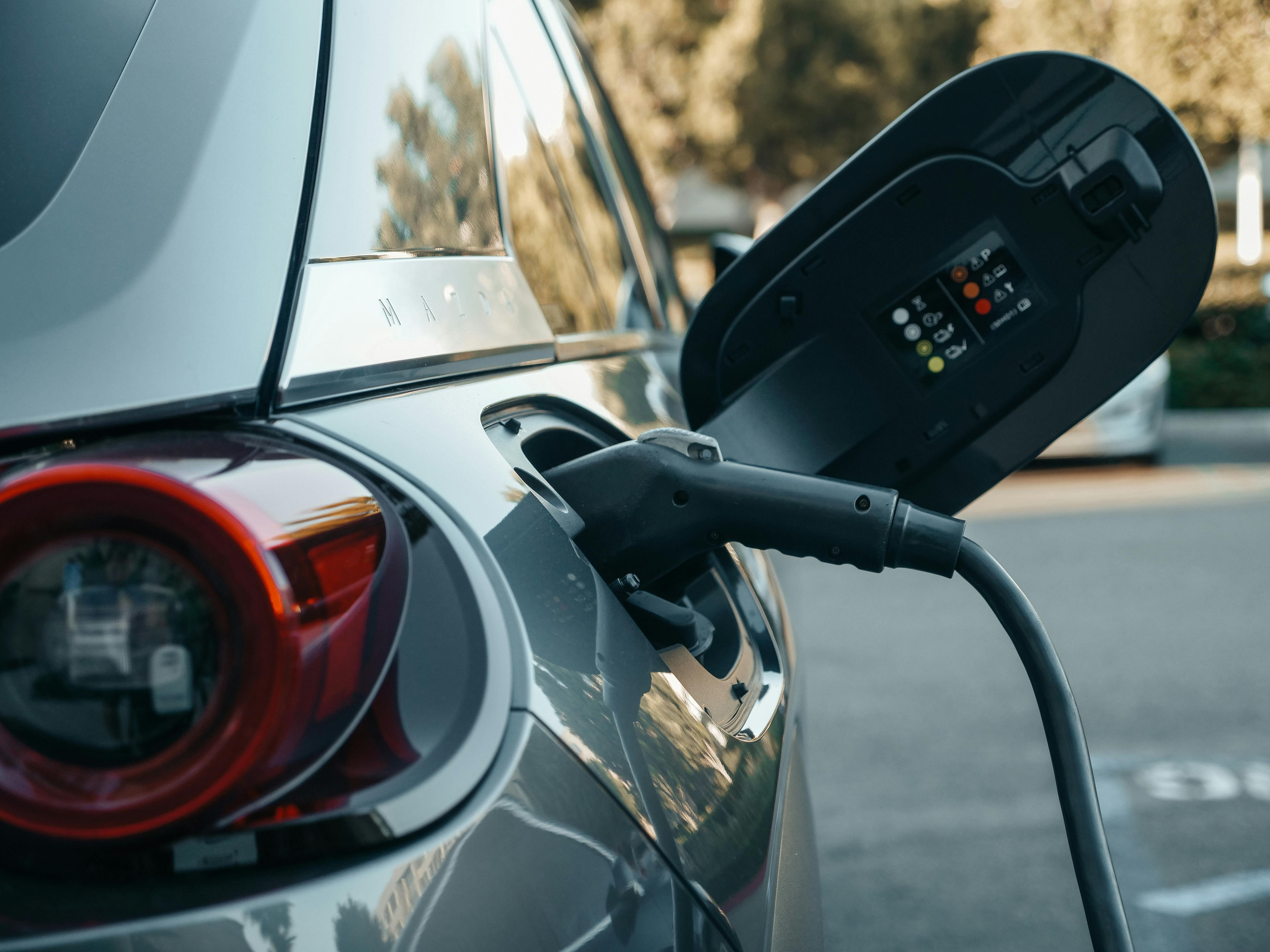
Corporate mobility has evolved dramatically. While historically providing a corporate car or travel stipend was viewed merely as a transactional perk within the organisation’s overall benefits package, organisations now see mobility as a vital tool for talent retention and social responsibility. Giving employees cleaner, more flexible ways to travel directly strengthens their connection to the business.
Via Pexels
Retention Multiplier
High-level talent expects companies to support their values through the structure of their compensation packages. An organisation that has aligned its infrastructure to be environmentally sustainable and cost-efficient clearly communicates that it cares about the environment. Similarly, top performers and high-earning professionals evaluate whether an employer provides support for their lifestyles. Therefore, offering employees a seamless and valuable transition to electric transport makes it difficult for other employers to attract the same type of employees using just salary packages.
Framework Structure
In order to have a large number of employees transition to a new type of mobility, there needs to be internal alignment among all employees involved. The first step in this process would be to conduct an assessment of your current travel policy and payroll processes. Once you complete the assessment, then engage with your internal stakeholders – finance, human resources, operations – early in the implementation process to ensure that they understand what is happening and the steps that need to be taken to integrate this new process. Establishing a formalised process, such as setting up an electric car scheme for your business, for example, enables organisations to pass significant tax savings onto their employees and minimise the amount of administrative work required to manage these programs.
Reduced Barriers
Success for the implementation of a modern mobility program relies heavily on creating a frictionless experience for your employees. Organisations must make sure that there is no confusion or barriers related to communicating the financial benefits associated with participating in a salary-reduction plan. Provide your employees easy access to digital tools that allow them to determine how much money they can save based on the types of vehicles available, which vehicles they want to purchase, and which types of maintenance packages they want to purchase. When the internal rollout mirrors a premium consumer experience, enrollment rates climb naturally, driving immediate engagement across the business.
Long-Term Growth
Your mobility program should develop alongside your business. Achieving true scale and longevity means continually measuring and evaluating your program’s success through regular performance data analysis, tracking carbon emissions reductions and collecting feedback from your employees. As you expand your commercial infrastructure and increase the diversity of available vehicles, maintaining adaptability in your policies will continue to position your benefit as one of the most competitive. This continuous optimisation secures sustained high engagement, ensuring your mobility strategy continues to protect your talent pipeline for years to come.
Defining Your Organisation’s Future
Changing your organisation’s perspective on corporate travel from an expense to a strategic asset changes your organisation’s relationship with its people. Organisations that replace old-fashioned “perks” with new, high-value sustainability-based initiatives will establish themselves with a unique competitive advantage in the talent marketplace. Organisations that succeed tomorrow are already acting today by integrating modern mobility into their organisational strategies for future growth and employee retention.