
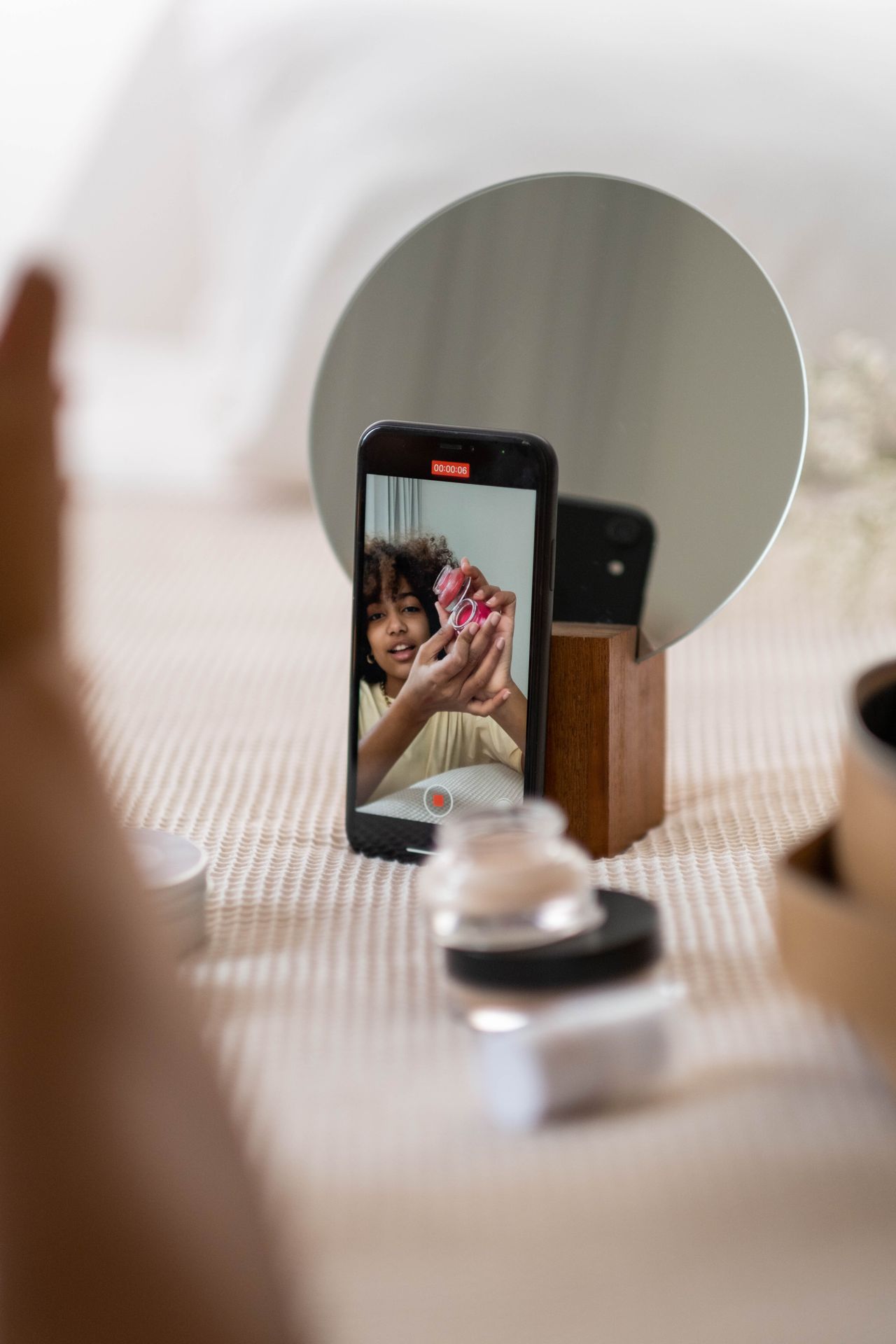
The beauty and skincare category is one of the most content-intensive verticals in social commerce. Consumers expect to see products demonstrated, explained, and validated through video before they buy — and the platforms where beauty purchases happen, from TikTok Shop to Instagram to YouTube, reward brands that publish fresh, high-quality video content consistently.
The problem is that producing beauty video content at the volume and variety these platforms demand has historically required either a large in-house creative team or a continuous stream of influencer partnerships, both of which carry significant cost and coordination overhead.
Why Beauty Content Demands Are Outpacing Traditional Production
Beauty shoppers are among the most visually sophisticated consumers in any retail category. They can identify low-quality production, inconsistent color grading, and inauthentic product representation immediately — and they penalize brands that deliver these things by scrolling past. At the same time, the algorithmic reality of social commerce means that brands publishing five high-quality videos per week outperform brands publishing one, regardless of the individual quality difference between those videos.
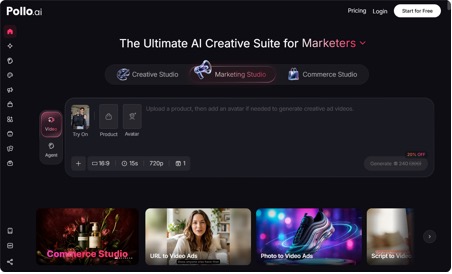
This creates a production volume problem that traditional methods cannot solve economically. Pollo AI addresses it directly. As a full-suite AI video generator, Pollo AI integrates over a hundred AI video tools supporting text-to-video, image-to-video, video-to-video transformation, and AI digital human creation — with digital human capabilities that deliver natural facial expressions and emotional nuance across videos up to two minutes in length.
For beauty brands, the ability to generate AI avatar content that communicates genuine enthusiasm, warmth, and product confidence — without the scheduling, contracting, and creative direction overhead of working with human talent — is a transformative production capability.
What Beauty Shoppers Actually Need to See Before They Buy
Understanding what drives conversion in beauty video content is essential before building any production workflow. Beauty shoppers are primarily looking for three things: evidence that the product works as claimed, a realistic representation of how it looks and feels on skin or hair, and a sense of the brand’s personality and values. Each of these translates into specific content formats and creative approaches.
Demonstration content — showing a product being applied, showing before-and-after results, showing texture and finish — addresses the first two needs. Brand story and lifestyle content addresses the third. A complete beauty video content strategy covers all three, which means a complete AI video production workflow needs to be capable of generating all three content types consistently.
Step-by-Step: Building a Beauty Brand AI Video Workflow
Step 1 — Segment Your Content by Purchase Stage
Map your video content to the specific stages of the beauty shopper’s purchase journey. Awareness content introduces the brand and its values — it prioritizes emotional resonance and aesthetic appeal over product detail. Consideration content demonstrates product performance and addresses specific concerns — it prioritizes clarity, detail, and credibility. Conversion content creates urgency and removes final purchase barriers — it prioritizes social proof and clear benefit communication.
Producing content for all three stages simultaneously, rather than focusing exclusively on one, ensures your brand is present and persuasive at every point in the shopper’s journey.
Step 2 — Develop Skin-Type and Tone-Specific Content
One of the most significant gaps in traditional beauty marketing is the underrepresentation of diverse skin tones, types, and concerns. AI video generation makes it possible to produce content that speaks specifically to different audience segments — oily skin versus dry skin, fair complexions versus deeper tones, anti-aging concerns versus acne-prone skin — without the casting and production complexity of representing each segment through separate shoots.
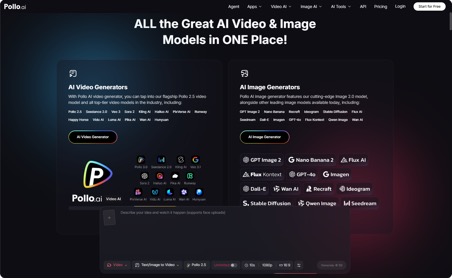
Pollo AI’s AI video generator supports multiple artistic styles and maintains character consistency across frames, enabling beauty brands to produce a series of segment-specific videos that share a coherent brand aesthetic while addressing the specific concerns and representation needs of different audience groups.
Step 3 — Create Tutorial and How-To Content at Scale
Tutorial content consistently outperforms product showcase content in beauty marketing because it demonstrates value rather than just asserting it. A thirty-second tutorial showing exactly how to apply a serum, layer skincare products, or achieve a specific makeup look gives the viewer something they can use — and brands that provide genuine value through their content build the kind of trust that drives long-term customer relationships.
AI video generation makes it possible to produce tutorial content at a scale that was previously impossible without a dedicated content production team. A skincare brand can generate tutorials for every product in its range, covering different skin types and use cases, within a single production session.
Step 4 — Build a Social Commerce Content Calendar
Social commerce success in the beauty category depends on publishing frequency as much as individual content quality. Build a content calendar that maps specific video types to specific platforms and publishing slots, and use AI generation to fill that calendar consistently. TikTok rewards daily publishing; Instagram performs well with three to five posts per week; YouTube benefits from longer-form tutorial content published weekly.
Step 5 — Generate Campaign Variations for Performance Testing
Beauty advertising benefits enormously from structured creative testing. Different visual approaches, different emotional tones, different product emphasis points, and different calls to action all affect conversion rate — and the only way to know which combination works best for your specific audience is to test them systematically.
AI video generation makes it possible to produce the volume of creative variations that meaningful testing requires without the production cost that would make such testing prohibitive through traditional methods.
Leveraging AI for Multilingual Beauty Content
The global beauty market rewards brands that communicate with consumers in their own language and cultural context. Producing localized content through traditional methods — casting local talent, adapting scripts, re-shooting for each market — is prohibitively expensive for most brands.
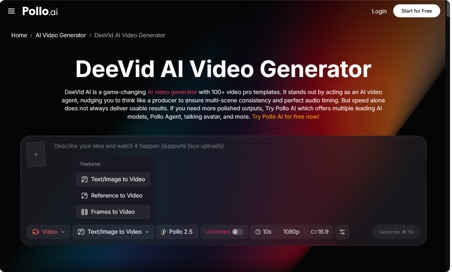
DeeVid AI offers a compelling solution for beauty brands with international ambitions. Its producer-guided workflow integrates high-end text-to-speech and AI music capabilities with precise lip-sync and emotional synchronization across over a hundred languages.
For a beauty brand expanding into new markets, this means a single piece of hero content can be localized into multiple language versions — with accurate lip-sync and culturally appropriate emotional expression — without re-shooting. DeeVid AI’s ability to maintain consistent character appearance and style across multi-segment video content also makes it well-suited to beauty brands that need to produce serialized tutorial content or multi-episode campaign content that maintains visual coherence across episodes.
The Aesthetic Standards That Matter in Beauty Video
Color accuracy is the most technically demanding aspect of beauty video production. Foundation shades, lipstick colors, eyeshadow pigmentation, and skincare finish all need to read accurately on screen — because a consumer who purchases based on inaccurate color representation will return the product and leave a negative review. When generating beauty video content, invest significant attention in color accuracy within your prompts and review color representation carefully in every output before publishing.
Skin texture representation is equally important. Beauty consumers are highly attuned to how skin looks in product content — they can identify heavy retouching, artificial smoothing, and unrealistic skin perfection immediately. Prompts that specify realistic skin texture and natural-looking finish consistently produce more credible, higher-converting beauty content than those that default to idealized aesthetics.
Conclusion: Beauty Content at the Volume Social Commerce Demands
The beauty and skincare category rewards brands that show up consistently, communicate authentically, and demonstrate genuine product value through video. AI video generation makes it possible to do all three at the scale that modern social commerce platforms demand — without the production overhead that has historically made consistent, high-quality beauty video content the exclusive territory of well-resourced brands.
Define your content strategy by purchase stage, develop your visual identity in prompt language, and start generating. The content volume that your social commerce strategy requires is now within reach.


