
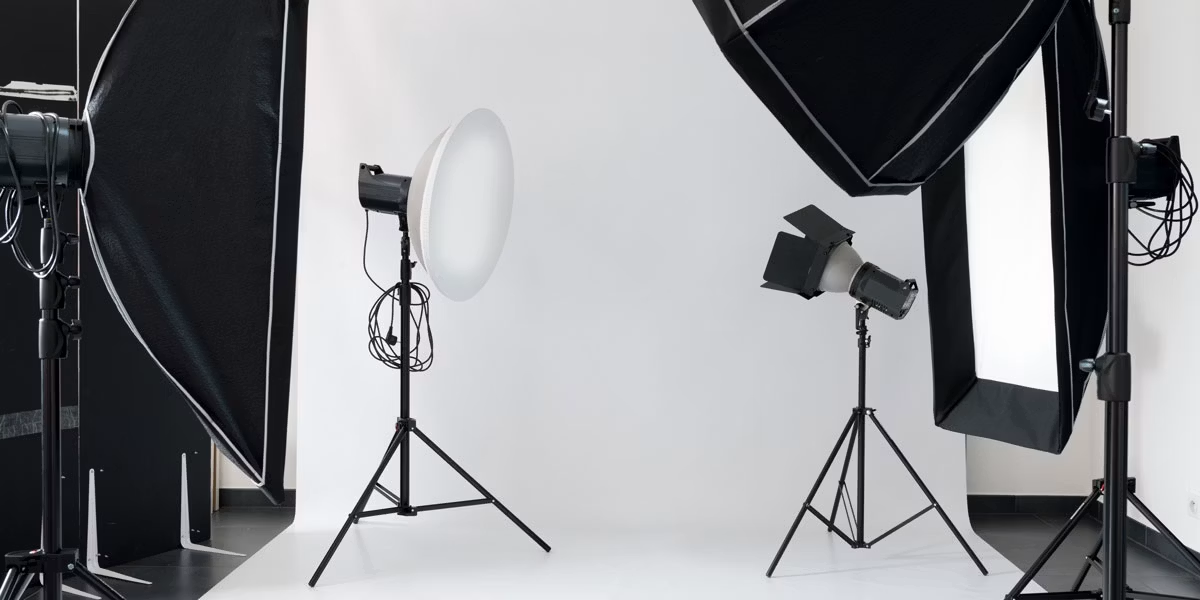
Many beginner photographers think that getting a new camera is the key to snapping better pics. While a good camera certainly helps, what really turns ordinary snaps into pro-looking ones is getting the lighting right.
Lighting is everything when it comes to how your subject looks. It affects things like how bright or dim the image is, how accurate the colours are, even the way the different textures and depth come across, and it can totally transform the mood of the pic. Good lighting can make the colours look more vivid, bring out the really fine details and create a sense of depth and dimension, while bad lighting can just leave the whole thing looking dull and uninspiring.
For beginners, this is where things can get a little overwhelming. You may already know that not all lighting equipment is created equal, but how do you figure out what you need? Well, understanding the main types out there and what each one is good for can make choosing the right gear a bit less intimidating. I’ll cover the most common professional lighting equipment used in photography and how each one can help you get the look you want in your pics.
LED Panels
LED panels are flat lights that are just a bunch of little LED diodes stuck behind a diffuser. They produce a nice wide spread of light that doesn’t change much while you shoot, so you can see exactly how it’s falling on your subject. This makes them a great option for beginners, as you can see the effect of the lighting right in front of you. It’s no surprise they’re so widely used in portrait photography, YouTube vids, live streaming, and basic product photography.
Because of their soft, consistent light, LED panels are all over the place in portrait photography. They’re a good choice for anyone who does a lot of YouTube vids or live streaming because they’re also really easy to adjust to match your surroundings or achieve a certain mood. They come in all sorts of sizes, from compact little things that are perfect for a small home studio to bigger lights that can cover a whole lot more area and are used in pro studios where a bit more oomph is needed.
COB LED Lights
COB LED lights are basically a super-powerful continuous lighting unit, using a huge cluster of LED chips crammed onto a single board. This design produces a light beam that’s a whole lot stronger and more focused than standard LED panels, making them just perfect for professional setups where a bit more control is needed.
COB lights are often found in studio photography, commercial shoots, interviews and high-quality portrait sessions where you need that bit more oomph in the output department. One of their biggest advantages is that they’re super compatible with a wide range of light-shaping accessories like softboxes, umbrellas, beauty dishes, and reflectors. This lets photographers turn a harsh direct beam into soft, diffused light or keep a more dramatic, high-contrast look depending on what they’re after.
Softboxes and Diffusion Equipment
Softboxes and diffusion tools aren’t actually light sources themselves, but rather clever tricks to control and soften light output. A softbox is basically just a box that you stick a light in, with reflective walls on the inside and a diffusing panel on the front. It creates a super even spread of light and makes it feel a lot softer on the subject. Diffusion materials can also be used on their own or in conjunction with other tools to smooth out shadows and reduce harshness.
This professional lighting equipment is an absolute essential for getting those professional-looking results in portrait, beauty and product photography. They’re the key to getting rid of those harsh, direct shadows and uneven highlights that just don’t look right. Without diffusion, you can end up with some pretty unflattering results. Softboxes are perfect for spreading the light out evenly and making skin tones look smoother and more natural. They usually get paired up with COB lights or studio flashes to get the look just right.
Reflectors
A reflector is basically just a simple tool that you use to bounce existing light back onto a subject. They don’t actually produce any light. What they do is take what’s already there and redirect it into shadowed areas to even things out and reduce contrast.
They come up all the time in both studio and outdoor photography, especially in portrait sessions when you need a bit of extra fill light without having to add another actual light source. Reflectors come in all sorts of surfaces, from white to silver to gold and even black. Each one does something slightly different: white is good for soft, neutral fill light; silver is brighter and more contrasty; gold adds a bit of warmth to skin tones; and black is great for subtracting light and making shadows deeper. This flexibility makes reflectors an absolute must-have in any lighting kit, especially for beginners.
Light Stands and Everything That Keeps Them Upright
Light stands are basically just a way to get your lights up in the air and hold them there safely and true. They let you tweak the height, angle, and placement of your lights until you get the shot just right. Of course, to get some of the more interesting lighting setups going, you’ll also want to have some support equipment lying around, such as boom arms, adjustable tripods, and grip heads.
These bits really help with all the complicated stuff and keep everything stable and safe while you fiddle around with your lights. And all this tweaking really matters too. Get the light position just a tiny bit off, and your shadows, highlights, and the whole picture quality are going to go haywire. So a solid, reliable stand is right at the heart of all good lighting setups.
Tweaking Your Light – Add-on Modifiers & Accessories
And then there’s all the other stuff you can slap on your lights to fine-tune how they work. Stuff like grids, barn doors and gels. Each one does its own thing and helps get that image just so.
Grids are used to stop your light from spilling all over the place. You can use them to get your light to focus on a specific thing rather than illuminating the whole room. Barn doors are like physical shutters for your light. You can clamp them on and move them around to control exactly where your light is shining. And then there are gels. They change the colour temperature of your light so you can match it up with whatever scene you’ve got going on.
All these bits, along with LED panels and all that other new tech (softboxes, reflectors and what have you), give you a pretty massive amount of control over where your light is going and how it behaves. And it’s this level of control that lets all beginners move past just point and shoot and get on with making some real, proper photos.


