
When we think about house fires, we usually picture an accident, not arson: a forgotten pan or a faulty wire. Yet a significant share of fires are started deliberately. Understanding that risk is the first step to guarding against it.
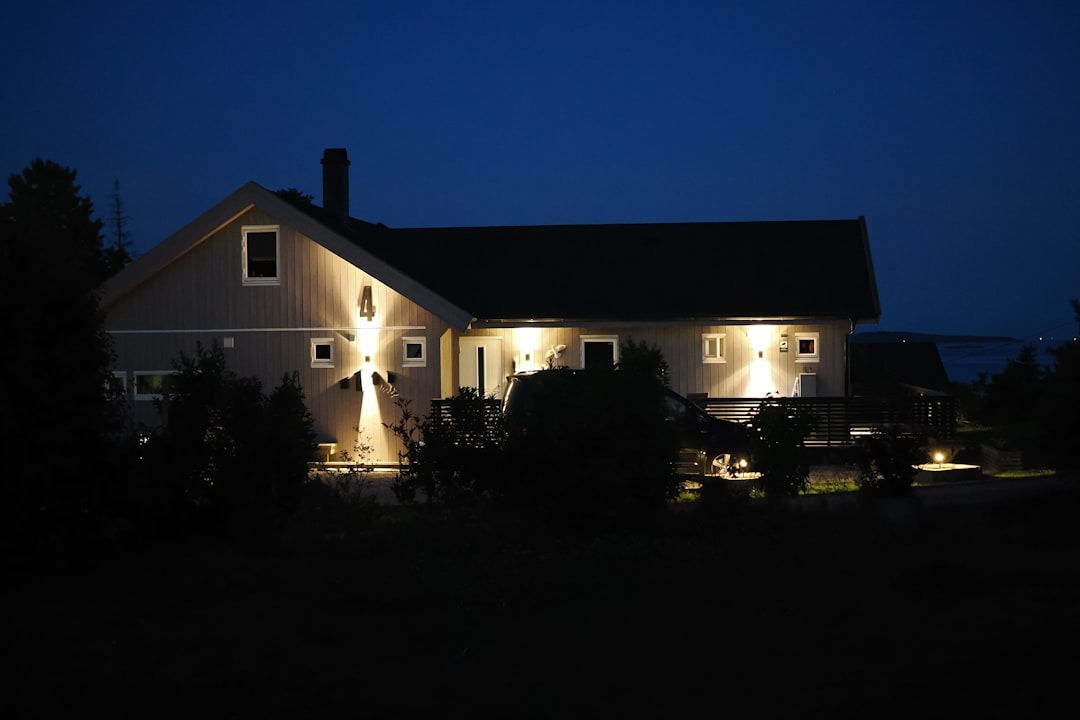
Photo by John Petter Fagerhaug on Unsplash
Alt text: A secure home exterior at dusk with outdoor lighting on
The scale of the problem is unsettling, and the data shows that only 4.83% of recorded arson offences result someone being charged. That low figure tells you how hard these crimes are to solve. This guide explains what arson involves and, more usefully, how to protect your own home and property.
What Is Arson, and How Common Is It?
Arson is simply the crime of deliberately setting fire to property. It ranges from vandalism and abandoned buildings to targeted attacks. Sadly, it is far more common than most people assume.
Deliberate fires make up a large slice of all fires attended by UK fire services each year. Many involve rubbish, vehicles, or empty buildings, but homes are certainly not immune. The motives vary from boredom to revenge to insurance fraud. Whatever the cause, the danger to people and property is very real.
Why Is Arson So Hard to Tackle?
Deliberate fires are notoriously difficult to investigate and prosecute. The evidence is often destroyed by the fire itself. That is why charge rates remain stubbornly low.
The practical lesson for homeowners is clear. Because catching those responsible is so difficult, prevention matters far more than the hope of justice afterwards. Reducing the opportunity for a fire to be started is squarely within your control. A little foresight is worth a great deal here.
How Do You Protect Your Home?
Most arson is opportunistic, which is good news for prevention. Remove the easy opportunities and you remove much of the risk. A few sensible habits make a real difference.

Alt text: A smoke alarm and security camera on the exterior of a house
Focus on these simple measures:
- Clear rubbish. Do not leave bins or waste near the house.
- Light it up. Good outdoor lighting deters intruders.
- Lock up. Secure sheds, gates, and side access.
- Stay alert. Report suspicious activity promptly.
The same instinct that leads you to Secure Your Valuables before a holiday applies to fire risk too. An unattended, poorly lit property is a far easier target. Making your home look cared-for and secure is a powerful deterrent in itself.
What About Empty or Renovated Properties?
Vacant and building sites are especially vulnerable to deliberate fires. Piles of materials and a lack of oversight make them tempting targets. Extra care pays off here.
If a property is empty or being renovated, the risks multiply. Take these extra steps on a vacant site:
- Secure access. Lock gates and board up openings.
- Remove waste. Clear combustible rubbish often.
- Add lighting. Deter intruders after dark.
- Monitor. Use cameras or regular checks.
Building materials, waste, and open access all raise the danger considerably. Keeping the site tidy, secured, and monitored reduces the temptation sharply. Combustible waste in particular should never be left lying around to invite trouble.
How Does Fire Safety Reduce the Risk?
Good general fire safety protects you whether a fire is deliberate or accidental. The same alarms and habits work either way. It is your last and most important line of defence.
Strong home fire safety means:
- Alarms. Working smoke alarms on every level.
- Escape plan. A known, practised route out.
- Clear exits. Nothing blocking the way.
- Quick response. Get out and call for help.
Working smoke alarms, a clear escape plan, and modern Smart appliances with safety features all help limit harm if the worst happens. Official figures such as the deliberate fires data tables reveal the true scale, while the detailed analysis of fires attended shows how they start. Detection buys the time that saves lives, whatever the cause of the fire.
Staying One Step Ahead of Arson
Arson is a real and under-prosecuted risk, but it is also one you can guard against with sensible precautions. Understand how common deliberate fires are, remove the easy opportunities, and take extra care with empty or building sites. Back it all up with solid fire safety at home, from working alarms to a clear escape plan. Do that, and you make your property a far harder target while keeping the people inside it safe.
Frequently Asked Questions
How Common Is Arson In the UK?
More common than most people expect. Deliberately set fires account for a substantial proportion of all fires attended by UK fire and rescue services each year. Many involve rubbish, vehicles, or vacant buildings, but occupied homes are also affected. Because these fires are hard to investigate, official statistics on deliberate fires are the clearest way to grasp just how frequent the problem really is.
Why Are So Few Arson Cases Solved?
The main reason is evidence. A fire often destroys the very proof needed to identify who started it, making investigation and prosecution extremely difficult. Witnesses can be scarce, especially at night or in isolated spots. This is why charge rates for arson remain low, and it is precisely why prevention, rather than relying on justice after the fact, is so important for property owners.
How Can I Protect My Home From Arson?
Focus on removing easy opportunities. Keep bins and rubbish away from the building, fit good outdoor lighting, and secure sheds, gates, and side access. Make the property look occupied and cared-for, since neglected homes are easier targets. Report suspicious behaviour, and take extra care if the property is empty or being renovated. These simple steps deter the opportunistic fires that make up most arson.
Do Smoke Alarms Help Against Deliberate Fires?
Absolutely. A smoke alarm does not care whether a fire was started on purpose or by accident; it simply gives you the early warning that saves lives. Working alarms, combined with a practised escape plan, are your most important protection once a fire has started. Alongside prevention measures outside, good detection inside is an essential part of guarding against arson.