A lot of home bakers start out as doing favours – birthday cake for a friend, a tray of brownies for the school fair, and then someone offers to pay. That is the moment the rules quietly change.
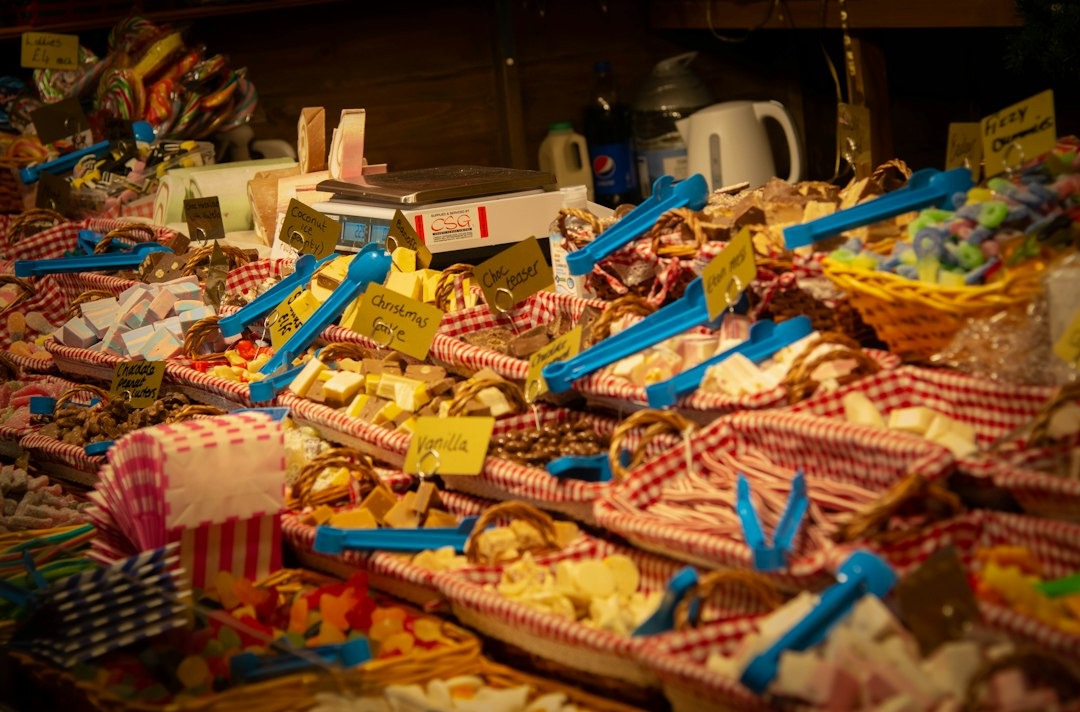
Photo by Cord Allman on Unsplash
Alt text: Wooden rolling pin on kitchen counter by sink and window
Most home bakers have no idea where the legal line sits. The advice online is either vague or alarming, and neither is much help. In practice the expectations are manageable and mostly sensible. Level 2 Food Hygiene provides the certification most home bakers start with.
When Does a Home Kitchen Become a Food Business?
Roughly, when the selling becomes regular and organised.
One cake for a neighbour is not a business. Selling every weekend at a market, taking orders through Instagram, or supplying a local cafe is a different matter. Councils look at how often you trade and whether money changes hands.
In England, food businesses must generally register with their local council at least 28 days before they start trading. Registration is free and the form is short. The rules differ across England, Scotland, Wales and Northern Ireland, so check with your own council if you are unsure.
Occasional charity sales are usually treated differently. A one-off bake sale at a school fair rarely counts as trading. If in doubt, a quick call to the council’s environmental health team settles it.
What Does a Level 2 Certificate Actually Cover?
The everyday science of not making anyone ill.
Level 2 Food Hygiene, sometimes listed as Food Safety and Hygiene for Catering, is the standard entry-level qualification for people who handle food. The material is practical rather than academic. Typical ground includes:
- how bacteria spread and the conditions they like
- temperature control for chilling, cooking and reheating
- cleaning routines and avoiding cross-contamination
- personal hygiene, and when not to handle food at all
- allergens and keeping a record of what goes into each product
Several awarding organisations offer qualifications at this level, including the Royal Society for Public Health.
Do You Legally Need the Certificate?
Not in every case, and that surprises people.
The legal duty is about training being appropriate to the work you do. Food handlers need to be supervised, instructed or trained so they can work safely. A certificate is simply the clearest way to show that, which is why councils and customers ask about it.
So it is evidence rather than a licence. If an officer asks how you learned safe practice, a recognised course is an easy answer. Some markets and event organisers also want to see one before they give you a pitch.
Insurers sometimes ask as well. Public liability cover is worth a look once you are selling to strangers.
Which Kitchen Habits Matter Most at Home?
A domestic kitchen can be perfectly safe. It just needs slightly more structure than usual.
- Keep a separate chopping board and cloth for anything you sell.
- Check the fridge with a thermometer rather than by feel.
- Wash your hands before each batch, and again after raw ingredients.
- Keep pets out of the kitchen while you are working.
- Write down what you made, when you made it, and for whom.
Photo by Richard Bell on Unsplash
Alt text: A UK market stall of fudge and sweets in cloth-lined baskets with handwritten price labels, serving tongs and a set of scales
That last habit matters more than it sounds. If a customer ever reports a problem, a simple notebook shows exactly what happened and when.
Storage is the other half of it. Keep what you sell away from the family shop, in sealed boxes on their own shelf. Space, rather than effort, is usually the real constraint at home.
How Should You Describe and Label What You Sell?
Honestly, with the allergens spelled out.
Customers need to know what is in your food. There is a set list of allergens that has to be declared, and you should be able to answer a question about any of them on the spot. Keep the ingredients for every recipe somewhere you can find them quickly.
Marketing counts too. Claims about health, ingredients or provenance have to be accurate, whether they sit on a label or in a social post. Those standards are the responsibility of the Advertising Standards Authority.
Presentation is a separate skill again. If you are moving from the kitchen table to a market stall, a clear allergen card is part of looking professional.
What Happens When the Council Visits?
Less drama than most people expect.
An environmental health officer looks at how you store, prepare and handle food, and at the records you keep. The Food Standards Agency runs the Food Hygiene Rating Scheme, which turns that visit into a score customers can see. For a small home operation the visit is usually short and fairly friendly.
Delivery deserves a thought too. Cakes travelling in a warm car need the same temperature care as the fridge at home.
Before your first paid sale, it is worth running through the basics:
- registered with the council, if your trading is regular
- a recognised food hygiene certificate, or training you can evidence
- a fridge thermometer and somewhere to note the readings
- allergen information ready for every product
- a cleaning routine you genuinely follow
Baking With Confidence
None of this exists to stop you baking. It is there so the person buying your lemon drizzle can eat it without a second thought.
Learn the basics, register when your selling becomes regular, and keep simple records. The rest is the part you already enjoy. Whether you are selling comforting desserts at a summer fair or building something closer to a business, the groundwork is the same.
Frequently Asked Questions
Do I Need to Register to Sell Cakes at a School Fair?
Usually not. A one-off charity or school event is generally treated as occasional rather than trading. If you start selling at events regularly, speak to your council first.
How Long Does a Food Hygiene Certificate Last?
No single expiry date is fixed in law. Many training providers and event organisers suggest refreshing it every few years, and some councils prefer that too. Check what the people you sell through expect.
Can I Run a Food Business From My Home Kitchen?
Yes, home kitchens are a normal base for small food businesses in the UK. You register the address in the same way, and an officer may visit to look at the space. Keeping domestic and business activity a little separate makes that visit easier.
What Is the Food Hygiene Rating Scheme?
It is the Food Standards Agency scheme behind the hygiene scores displayed at food premises. Ratings reflect hygienic food handling, the condition of the premises, and how food safety is managed. Small home-based businesses can be rated as well.


