
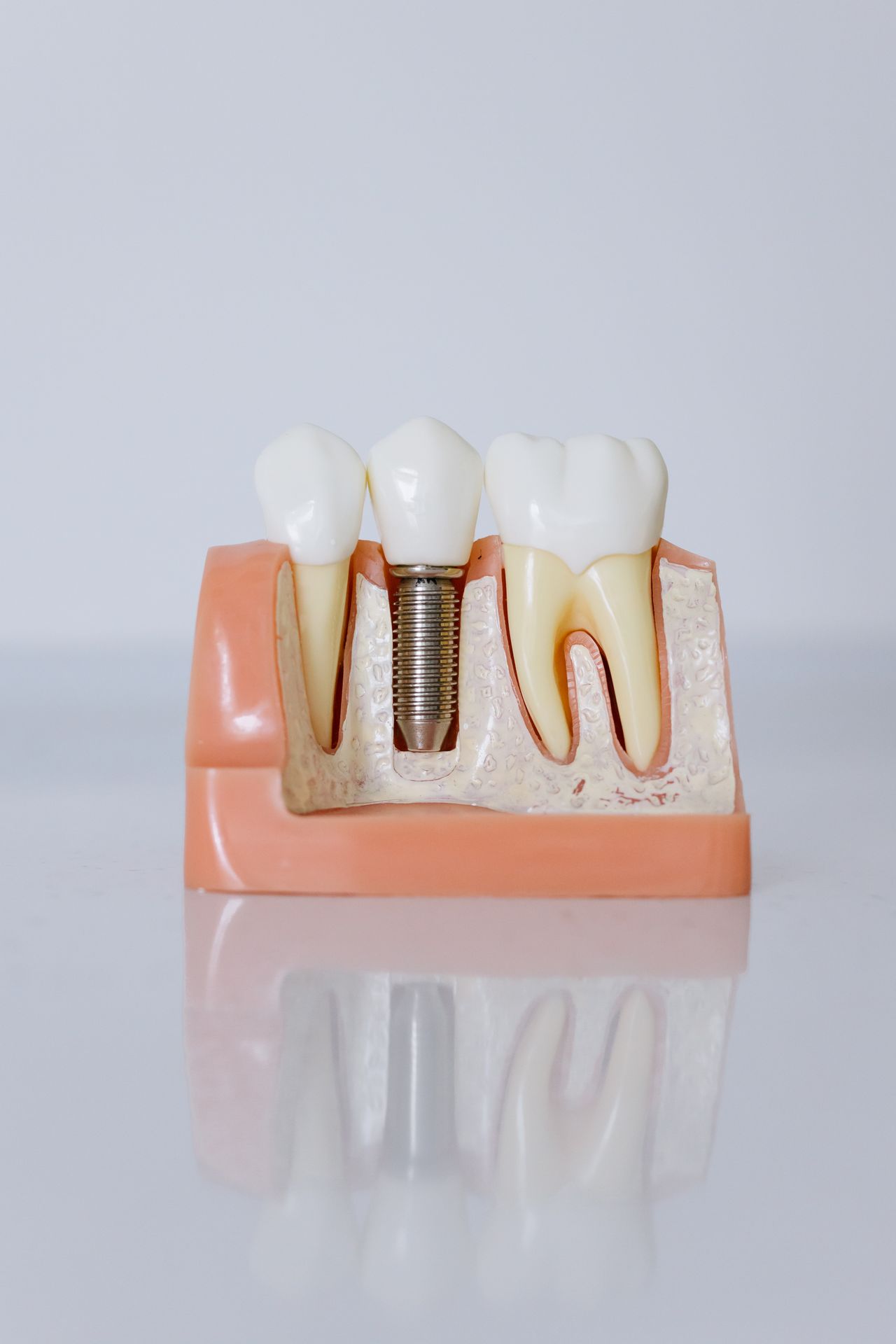
A damaged or infected tooth can leave you facing an uncomfortable choice: should you try to save it with root canal treatment, or is extraction the better option? The answer depends on the tooth’s condition, how much healthy structure remains, whether it can be restored, and your overall oral health. Root canal treatment is designed to remove infected or inflamed pulp, clean the inside of the tooth, and preserve the natural tooth whenever possible.
The decision can also affect more than your teeth. Concerns about pain, cost, appearance, treatment time, and losing a natural tooth can create significant dental anxiety. Understanding the difference between root canal treatment and extraction can help you approach the decision with greater confidence and less fear.
What Happens When a Tooth Becomes Severely Damaged?
A tooth can become compromised for several reasons. Deep decay, cracks, trauma, repeated dental procedures, or problems beneath an existing restoration can damage the pulp, the soft tissue containing nerves and blood vessels inside the tooth.
When the pulp becomes inflamed or infected, the condition may cause sensitivity, persistent pain, discomfort when biting, or swelling. However, symptoms can vary considerably. A tooth that once hurt intensely may eventually become less sensitive if the pulp loses vitality. That does not necessarily mean the underlying infection has disappeared.
If infected pulp remains untreated, the infection can extend beyond the tooth and contribute to an abscess. Root canal treatment removes the diseased pulp and seals the cleaned root canal system to help prevent reinfection.
Why Saving the Natural Tooth Matters
Your natural tooth performs more than an aesthetic function. It contributes to chewing, biting, speech, and the overall balance of your teeth.
When a tooth is removed, the empty space can affect neighboring teeth. Teeth may shift, potentially changing the bite and making replacement necessary.
What Does Root Canal Treatment Involve?
Root canal treatment focuses on the infected or inflamed tissue inside the tooth.
During the procedure, the dentist or endodontist removes the diseased pulp, cleans and disinfects the root canals, and fills and seals them. The tooth is then restored, often with a crown or another appropriate restoration, to protect its remaining structure.
The goal is not simply to stop pain. It is to eliminate infection while allowing the natural tooth to remain in place and continue functioning.
Is Root Canal Treatment Painful?
Fear of root canal treatment often comes from outdated perceptions of dentistry. Modern techniques and local anesthesia are designed to make the procedure comfortable. The AAE describes modern root canal treatment as generally straightforward and effective for relieving dental pain and saving teeth.
Some tenderness can occur after treatment, particularly when the tissues surrounding the tooth have been inflamed. Your dentist can explain what to expect during recovery and how to manage normal post-treatment discomfort.
Knowing what will happen can also reduce anxiety. Uncertainty often makes dental treatment feel worse than it actually is.
When Might Extraction Be the Better Choice?
Although preserving a natural tooth is often desirable, root canal treatment cannot save every tooth.
Extraction may be recommended when a tooth has suffered extensive structural damage, cannot be predictably restored, has a severe fracture, or has other problems that make successful treatment unlikely. The AAE notes that some teeth cannot be saved and will need extraction followed by replacement with an artificial tooth.
The key question is not simply whether extraction is faster. It is whether the tooth has a reasonable long-term prognosis.
Five Factors That Can Influence the Decision
- The amount of healthy tooth structure that remains
- The location and severity of the infection
- Whether the tooth has a crack or fracture
- Whether the tooth can be properly restored
- The expected long-term prognosis after treatment
Your dentist or endodontist can evaluate these factors and explain which option offers the most predictable result.
Root Canal Versus Extraction: What Are You Really Choosing?
At first glance, extraction can appear simpler because it removes the immediate problem. But removing the tooth can create a second decision: how will the missing tooth be replaced?
A missing tooth may require an implant, bridge, or removable partial denture depending on the location of the tooth and your circumstances. Replacement can involve additional appointments and procedures.
Root canal treatment, when successful, allows you to retain the natural tooth and avoid the immediate need to replace it.
The Long Term Picture
Consider these five questions before making a decision:
- Can the natural tooth be predictably saved?
- What restoration will the tooth require afterward?
- What will happen to the surrounding teeth if it is removed?
- What replacement options would be available after extraction?
- Which option fits your oral health, expectations, and long-term goals?
Looking beyond the immediate procedure can help prevent a decision based solely on fear or short-term convenience.
How Mental Wellness Fits Into the Decision
Dental decisions can create emotional pressure. You may worry about experiencing pain, losing a visible tooth, paying for treatment, or needing several procedures.
Dental anxiety can also encourage avoidance. Someone who feels overwhelmed by the idea of a root canal may choose extraction without fully understanding whether the tooth could have been saved. Another person may delay both options because the diagnosis itself feels frightening.
Neither reaction necessarily leads to the best decision.
Five Ways to Reduce Dental Decision Anxiety
- Ask your dentist to explain the diagnosis in straightforward language.
- Ask what the dental X-ray reveals about the tooth.
- Request an explanation of the benefits and limitations of each option.
- Ask whether an endodontist should evaluate the tooth.
- Tell your dental team about anxiety before treatment begins.
A clear conversation can turn a frightening decision into a series of manageable questions.
Why a Second Opinion Can Be Valuable
A recommendation for extraction does not always mean there are no other possibilities. If you have been told that your tooth cannot be saved, you can ask whether an endodontist should evaluate it.
Endodontists receive additional training in diagnosing and treating diseases of the dental pulp and tissues surrounding the roots. Their role includes assessing difficult cases and determining whether endodontic treatment can preserve a compromised tooth.
A second opinion does not guarantee that the tooth can be saved. It simply gives you more information before making an irreversible decision.
What If a Root Canal Has Already Failed?
A previous root canal does not automatically mean extraction is the only remaining option.
Depending on the cause of persistent disease, an endodontist may consider retreatment or endodontic surgery. Retreatment involves reopening the tooth, examining the existing root canal treatment, removing infection or filling material as appropriate, and cleaning and sealing the canals again.
In selected cases, endodontic surgery can address problems such as persistent infection, damaged root surfaces, hidden canals, or certain fractures that are difficult to diagnose through conventional treatment.
This is another reason to avoid assuming that extraction is automatically the only solution.
What Happens If You Choose Extraction?
Extraction removes the tooth, but it does not necessarily complete the treatment process.
Depending on your situation, the missing tooth may need to be replaced. Dental implants, bridges, and removable partial dentures are among the possible options. Each has different requirements, benefits, costs, maintenance considerations, and treatment timelines.
A dental implant, for example, can provide a stable replacement for a missing tooth, but implant treatment involves its own planning and healing process. Adequate bone and healthy tissues are among the factors that can influence implant suitability.
How to Make a More Informed Choice
The best decision should come from diagnosis rather than fear.
Ask your dental professional why the tooth is considered treatable or untreatable. Ask what the X-rays show, whether the tooth can be restored, and what treatment would be necessary after a root canal or extraction.
You should also consider the long-term consequences rather than focusing only on the procedure itself. A root canal followed by restoration and an extraction followed by tooth replacement are different treatment pathways, not simply two versions of the same procedure.
Research Can Help You Prepare
Reliable dental information can make a consultation more productive. Organizations such as the American Association of Endodontists provide patient resources covering root canal treatment, tooth preservation, extraction, retreatment, and implants.
Resources such as Nuffield Dental can also provide additional background for people researching dental treatment and preparing questions for a consultation. Online research should support professional diagnosis rather than replace it.
The Choice That Protects More Than Your Smile
Root canal treatment and extraction can both have an important role in modern dentistry. The right option depends on the condition of the individual tooth and whether it can be predictably restored.
When the natural tooth can be successfully preserved, root canal treatment offers an opportunity to keep your original tooth and maintain its function. When a tooth cannot be saved, extraction followed by an appropriate replacement may provide a practical path toward restoring oral function.
The decision should therefore involve more than asking which procedure sounds easier. It should consider prognosis, restoration, future dental work, comfort, finances, appearance, and your emotional well-being.
A Clearer Path Toward Your Next Dental Decision
Choosing between a root canal and extraction can feel like a major decision because it can influence your smile and oral health for years. Fortunately, you do not have to make that decision based on fear, assumptions, or a single symptom.
Start with a proper dental assessment. Ask whether the tooth is restorable, understand the expected outcome of each option, and consider specialist input when the case is complicated.
If the natural tooth has a good prognosis, preserving it may help you avoid the additional treatment associated with replacing a missing tooth. If extraction is genuinely necessary, understanding your replacement choices can help you plan the next stage with greater confidence.
The most valuable decision is not necessarily the quickest one. It is the one based on accurate diagnosis, realistic expectations, and a treatment plan that supports both your oral health and your peace of mind.