In Birmingham sits at the centre of one of the UK’s most vibrant creative scenes, yet plenty of residents spend their free weekends cycling through the same handful of habits. A city with this much cultural energy deserves more than a default routine.
Six hands-on activities can genuinely shift the atmosphere of your home life, from moving your body in a studio to shaping clay on a wheel. Every one of them welcomes complete beginners, and every one runs regularly across different parts of the city. No gatekeeping, no expensive kit lists.
Take dance lessons in Birmingham to shake up your weekly routine
Dance leads this list for a reason. It combines physical effort, social connection and creative expression in a single hour, which few other activities manage to pull off at once. Start moving in a studio and the payoff stretches well beyond the class itself, into how you feel for days afterwards.
Birmingham’s studios cover a serious breadth of styles. Ballroom and Latin classes fill halls in the city centre, contemporary and street dance thrive around Digbeth, salsa nights pull crowds in Moseley, and West African dance sessions bring explosive energy to community spaces in Handsworth and Aston. Whatever pulls you in, there’s a class running within a short bus ride.
Regular sessions sharpen posture and coordination, but the less obvious payoff is what happens at home afterwards. Confidence built on a sprung floor, under strip lights and wall mirrors, carries over into how you hold yourself during the rest of the week. Your mood lifts and the evening slump loses its grip.
Most classes run on weekday evenings or Saturday mornings, with drop-in options for people who can’t commit to a fixed schedule. Monthly memberships at several studios bring the per-session cost down to single figures. Some street-dance sessions even open with a live DJ warm-up, which makes the shift from a desk job to a dance floor feel less jarring than you’d expect.
Get your hands dirty with pottery and ceramics
Where dance speeds the body up, pottery slows the mind right down. The two make a surprisingly good pairing across a week: one class to move, one class to sit, focus and shape something you can hold.
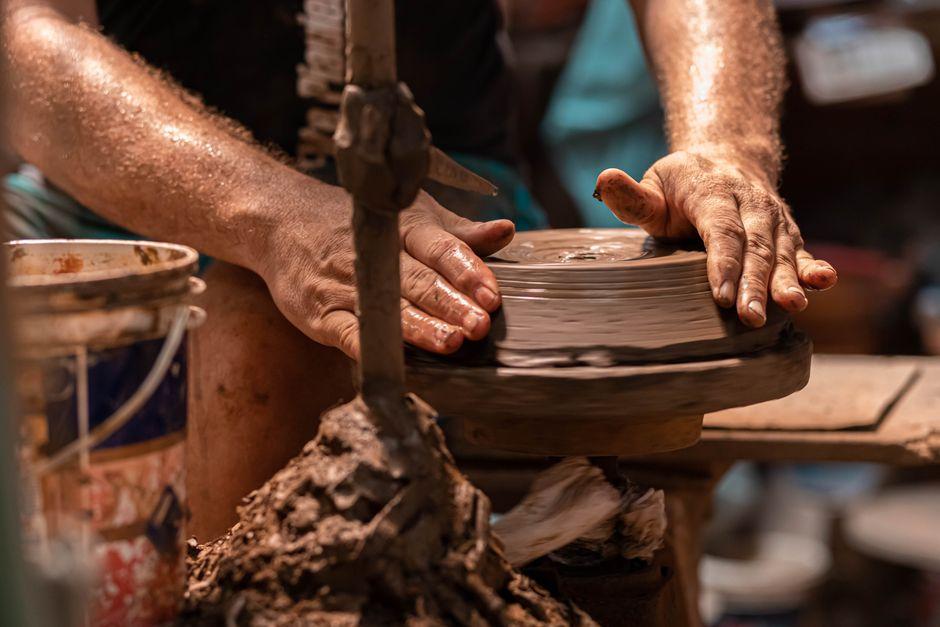
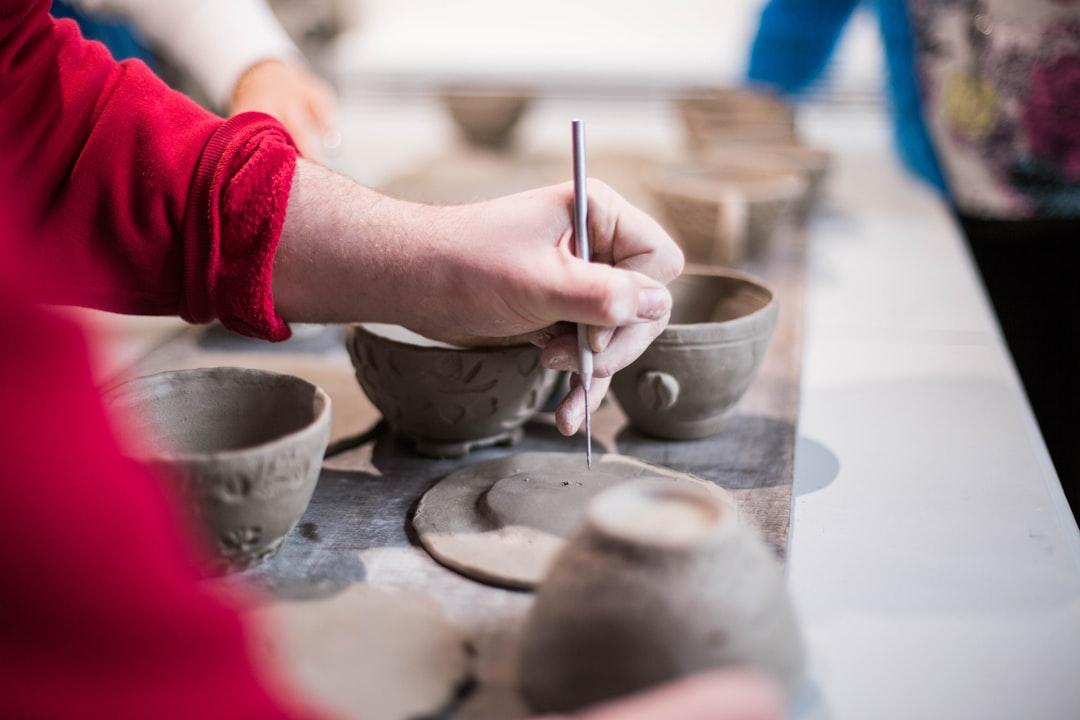
Birmingham offers two main routes into ceramics. Wheel-throwing taster sessions last a couple of hours and give you the full cinematic experience, wet clay spinning and hands cupped around a rising form. Longer hand-building courses stretch over four to eight weeks and teach coiling, slab construction and glazing. Sundragon Pottery, based in the Old Print Works in Balsall Heath, runs both formats and draws a mixed crowd of curious beginners and returning makers.
A first-timer can realistically walk away with a mug, a small bowl or a planter. These aren’t display-only pieces; they end up on kitchen shelves and windowsills, quietly replacing mass-produced items with something personal. If you’re already exploring dance lessons in Birmingham during the week, a weekend ceramics workshop slots in neatly without overloading your diary.
Sign up for a painting or drawing course
Painting and drawing ask almost nothing of you upfront. A pencil, a sketchpad, a willingness to look closely. Equipment costs stay low and physical demands sit at zero, which makes this the gentlest entry point of the six.
Classes across Birmingham span watercolour, acrylics, life drawing and urban sketching. The Midlands Arts Centre (MAC) in Cannon Hill Park runs courses led by practising artists who exhibit their own work alongside teaching. That matters, because you learn from someone actively solving creative problems rather than reciting technique from a textbook.
The home-life connection here is direct. Learning to observe colour, light and composition rewires how you see your own living space. You start noticing the quality of afternoon light through a kitchen window, or the way a stack of books creates an accidental still life on a side table. Finished pieces double as original wall art, and one watercolour you made yourself holds more weight on a wall than a dozen shop-bought prints ever could.
Try flower arranging for instant impact at home
Floristry delivers the fastest visible change to any room. You walk into a workshop with nothing and leave two hours later with an arrangement that transforms a dining table or a hallway.
A typical Birmingham floristry workshop covers seasonal stem selection, foliage pairing, structural techniques like spiralling and gridding with tape, and basic colour theory. Instructors tend to source blooms from the Birmingham Wholesale Market, so you learn what’s available locally rather than relying on imported supermarket bunches.
Once you grasp the underlying principles, you can recreate arrangements at home every week for a fraction of the workshop price. A Saturday trip to the market, fifteen minutes of cutting and placing, and your kitchen feels completely different. Workshops usually wrap up within two to three hours, so they slot into a single afternoon without writing off the rest of the day.
Learn textile crafts to personalise your space
Sewing, embroidery, macramé and weaving all fall under one umbrella, and Birmingham runs classes in every branch. The home-life angle is hard to miss: cushion covers, wall hangings and table runners stamp personality on a room faster than almost anything you could buy off a shelf.
The West Midlands carries a long tradition of textile production, and local workshops tap into that heritage without turning it into a history lecture. You learn practical skills, from operating a sewing machine confidently to building a macramé plant hanger from a single length of cord, while absorbing context through the materials and methods themselves.
Textile skills stack well. Each project builds on the last, giving a sense of progression that mirrors levelling up in a dance class. Start with a two-hour taster before committing to a full course. That single session tells you whether the rhythm of stitching or knotting clicks with the way your brain unwinds.
What makes Birmingham such a strong hub for creative hobbies?
Birmingham’s creative infrastructure punches well above what most people expect. MAC anchors the south of the city, the Custard Factory and the wider Digbeth arts quarter house dozens of independent studios, and neighbourhood workshops pop up regularly in Stirchley, Kings Heath and Harborne.
The city’s diversity fuels creative cross-pollination. Art forms, craft traditions and movement styles from dozens of cultures coexist here, which means a single evening class might blend techniques you’d never encounter in a less mixed city. That variety keeps the scene evolving rather than settling into a fixed identity.
Affordability plays a real part too. Studio hire, class fees and raw materials all cost markedly less than their London equivalents. Community-led initiatives push accessibility further: pay-what-you-can sessions, subsidised courses through local arts organisations, and free taster events keep creative hobbies within reach for people on tight budgets.

Build a weekly creative habit that sticks
Pick one physical activity and one craft-based activity, then alternate weeks or pair them on different days. Dance on a Wednesday, pottery on a Saturday. The combination matters more than the specific pairing, because it stops any single pursuit from feeling like a chore.
Consistency beats intensity here. One class a week, sustained over a couple of months, shifts the feel of your home life more than a weekend-long workshop binge followed by nothing. Track your progress with photos of finished ceramics, dried arrangements on your mantelpiece, or a short phone video of a routine you couldn’t manage four weeks ago.
An inspired home starts with what you do outside it. Bring back a handmade bowl, hang a painting you mixed the colours for yourself, move through your kitchen with the posture you built in a studio. The space starts to feel like yours in a way it didn’t before.
A few common questions tend to come up when people start exploring creative classes in Birmingham.
FAQ
Do I need any experience before joining a creative class in Birmingham?
Most studios and workshops welcome complete beginners with no prior experience at all. Instructors typically structure sessions so newcomers and returning learners work side by side without anyone feeling out of their depth. Dance classes, pottery sessions and painting courses all offer beginner-specific timetables, so you won’t find yourself thrown into an advanced group on your first evening.
How much do creative workshops in Birmingham typically cost?
Prices depend on the activity. A single dance class usually falls between £5 and £18, while pottery or floristry taster workshops range from £25 to £55 for a standalone session. Monthly memberships at dance studios significantly reduce the per-class cost. Some community-run programmes operate on a pay-what-you-can basis, keeping things flexible for anyone on a limited budget.