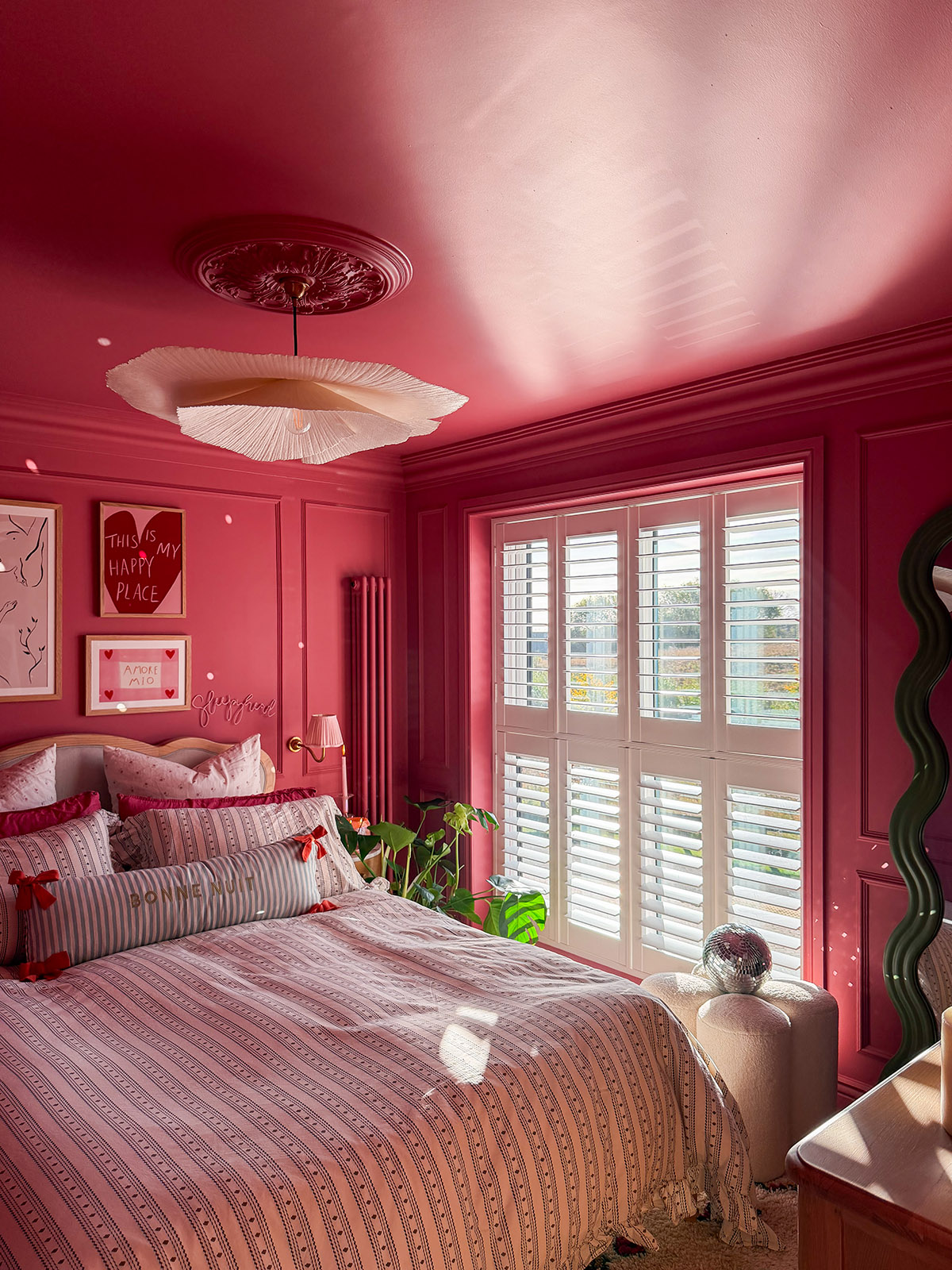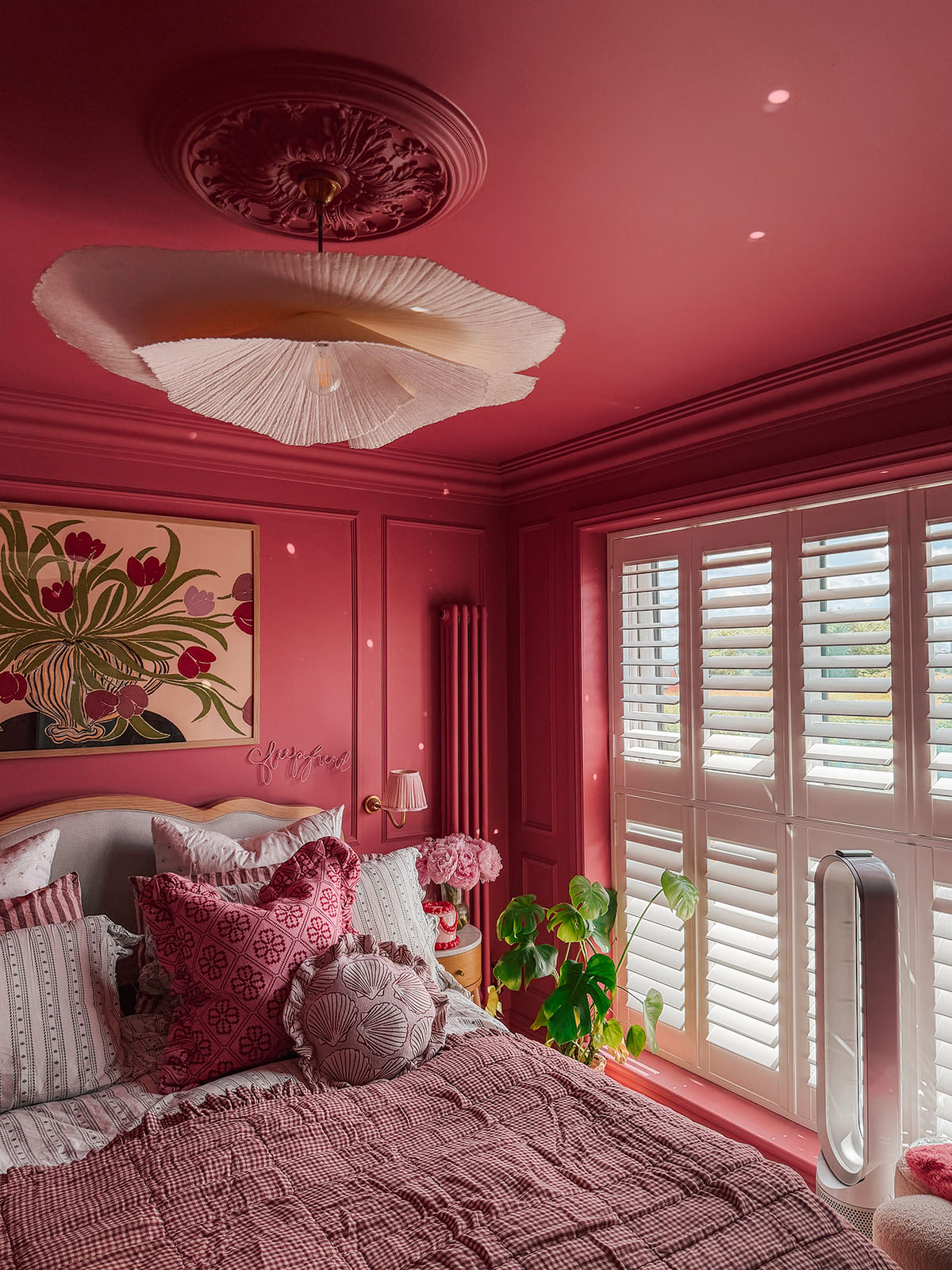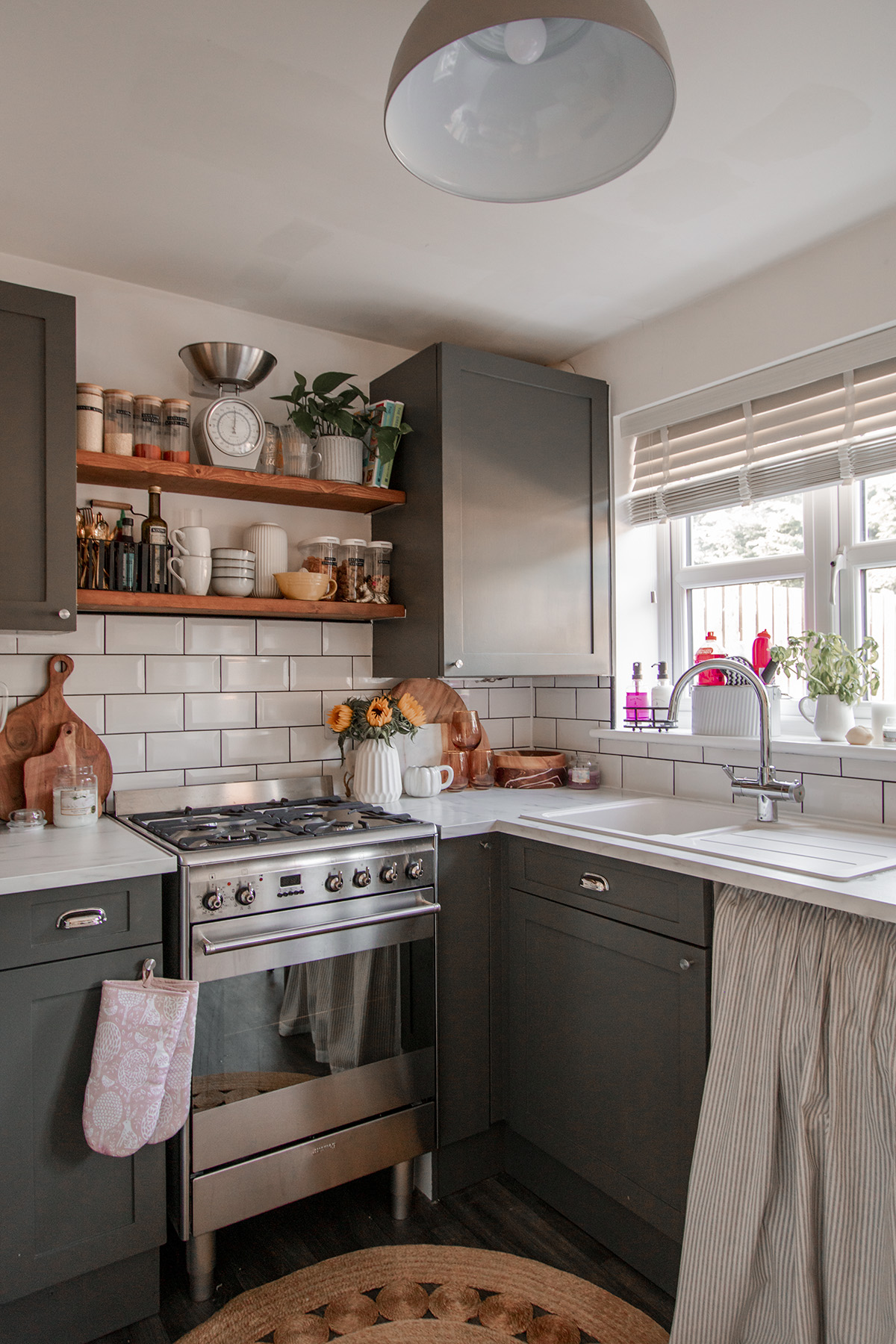
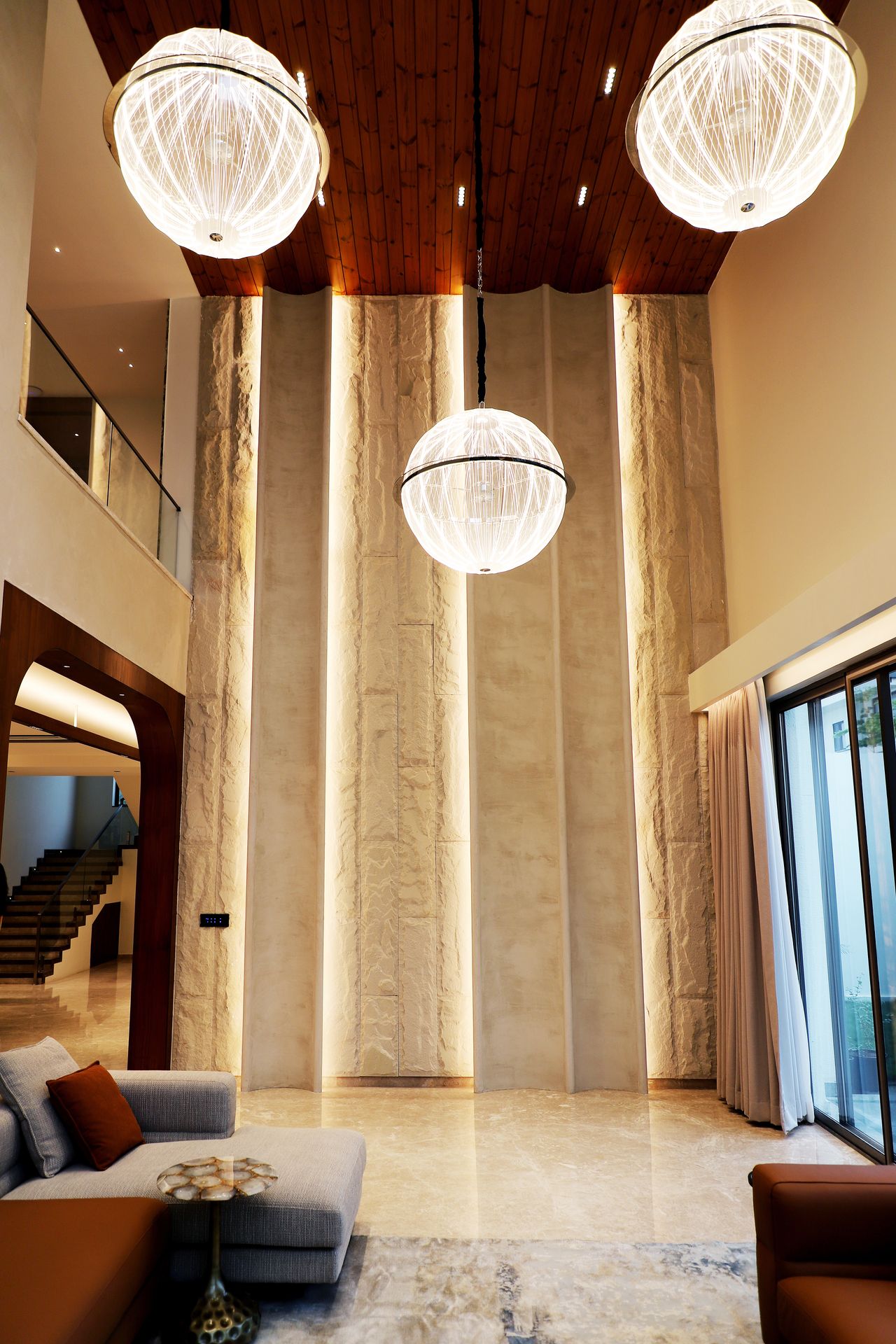
A well-planned refurbishment can make your home easier to live in, brighter and more suited to your personal style. It may involve anything from repainting tired walls to changing the layout of several rooms. The key is to focus on improvements that solve real problems while creating a consistent look. Before ordering materials or moving furniture, take time to decide what works, what frustrates you and which features are worth keeping. This gives the project a clear direction and helps prevent expensive changes halfway through.
Understanding Refurbishment Benefits
Refurbishment can improve comfort, function and visual appeal without requiring a complete rebuild. Better storage may free up floor space, updated lighting can transform a dark room, and improved insulation can reduce heat loss. Careful work may also support your property’s future value, especially when it addresses an awkward layout or ageing fixtures.
Some projects offer a stronger return than others, so read up on home improvements that add value before setting priorities. Your own daily needs still matter, though. A practical utility area might prove more useful to your household than an expensive feature chosen mainly for appearance.
Key Areas for Interior Refresh
Start with the rooms you use most. Kitchens often benefit from improved lighting, durable worktops and better-organised cupboards, while living rooms can feel renewed with paint, flooring and a more practical furniture arrangement.
Bathrooms need particular attention because leaks, poor ventilation and damaged surfaces can grow into larger problems. Structural alterations, extensions and full property refurbishments often require experienced builders who can coordinate the work and help ensure that it meets the project’s requirements. For a smaller update, changing handles, taps and light fittings can still produce a noticeable result without disturbing the whole room.
Planning Your Refurbishment Project
Write down your must-haves before collecting ideas for colours and furnishings. Set a realistic budget with a contingency of around 10 to 15 per cent for hidden damage, material changes or extra labour. An older property, for example, may reveal uneven walls or outdated wiring once fitted units are removed.
Create a schedule that reflects how the rooms connect. It makes sense to complete plumbing, electrical work and plastering before decorating or fitting new floors. Discuss lead times with suppliers too, as bespoke doors and worktops may take several weeks to arrive. Keeping plans, quotations, measurements and product details in one folder will make decisions easier throughout the project.
Sustainable Choices for Your Home
Keep good-quality features wherever possible. Solid timber doors, original floorboards and sturdy cabinets can often be repaired, refinished or repainted. This reduces waste and may preserve some of the character that drew you to the property in the first place.
When buying new materials, look for durable finishes that can cope with everyday use. Water-saving taps, LED lighting and draught reduction can lower household resource use without affecting comfort. Second-hand furniture also works well when the dimensions and condition suit your space. Be realistic about what a renovation involves, since design expectations vs. reality can differ once costs, delivery times and practical limits come into play.
Adding Finishing Touches
Finishing touches help separate rooms feel connected. Repeat two or three colours across cushions, artwork, rugs and smaller accessories, then vary the textures to avoid a flat appearance. Curtains hung slightly above the window can make a ceiling seem higher, while mirrors placed opposite a window help spread natural light.
Avoid filling every surface as soon as the main work ends. Live with the refreshed space for a week or two and notice where you naturally put keys, books and chargers. You can then add trays, shelves or baskets where they’ll be genuinely useful. The most satisfying final detail may be as simple as a warm reading lamp beside the chair you already use each evening.