
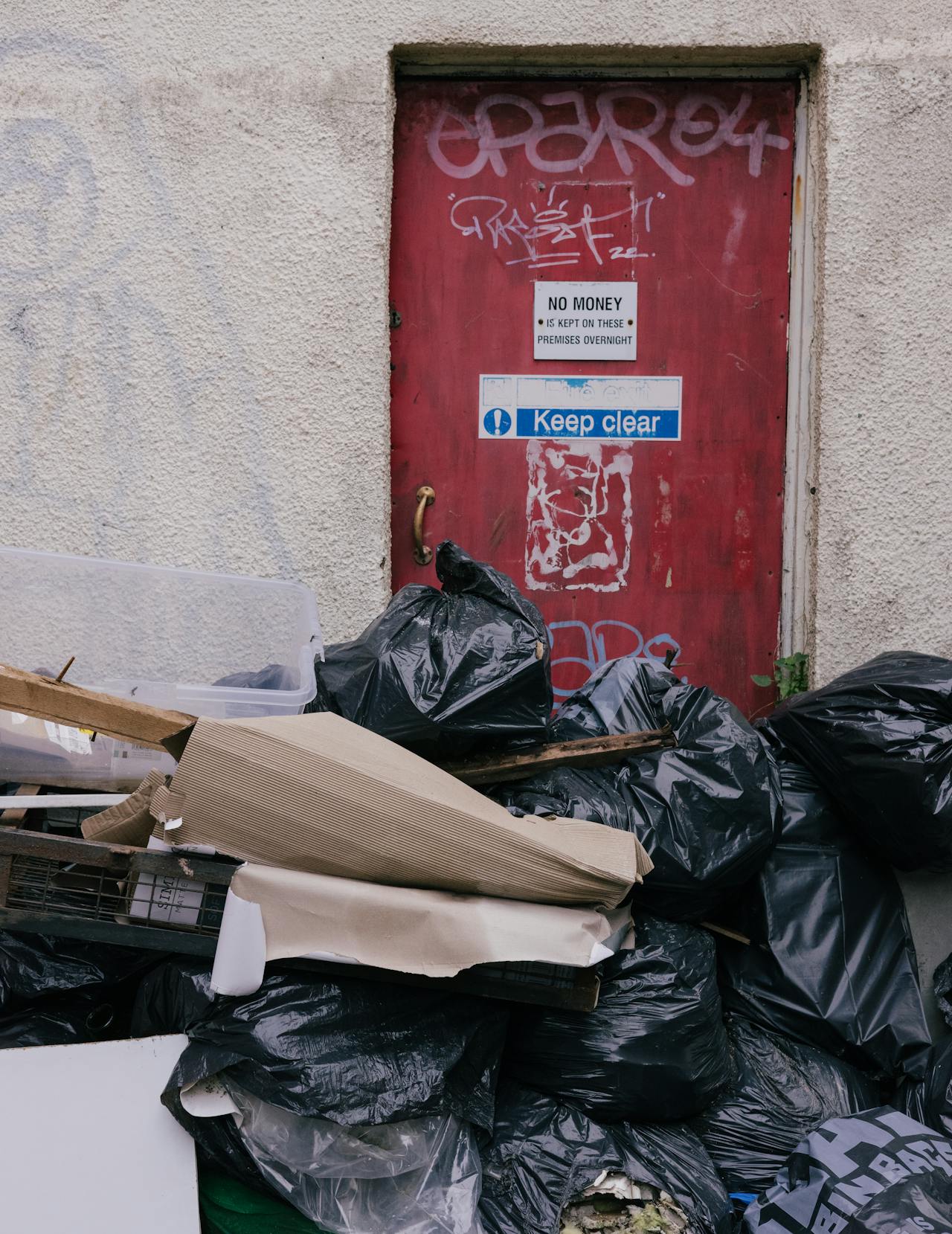
Most people think fly-tipping only means dumping a sofa in the middle of nowhere or leaving piles of rubbish on quiet roads late at night. In reality, it is often much smaller things that get people into trouble.
If you have ever searched for London rubbish removal services after clearing out a flat, replacing furniture, or doing renovation work, you have probably noticed how confusing waste rules can be in London. A lot of people do not realise that leaving bags beside an overflowing bin, putting furniture outside too early, or hiring the wrong waste collector can all lead to serious fines.
Many London boroughs now issue penalties worth hundreds of pounds for waste left in the wrong place. In some areas, fines can reach up to £1,000.
Most Fly-Tipping Starts With Everyday Household Waste
The surprising part is how ordinary most fly-tipping cases actually are. A broken mattress left outside after moving house. Black bags dumped beside communal bins. Cardboard boxes left on pavements after online deliveries. Old chairs abandoned near recycling points.These are the kinds of things councils deal with every single day.
London has become one of the worst areas in the country for illegal dumping. Streets, alleyways, estates, and side roads often end up covered with rubbish overnight. In busy boroughs, residents regularly wake up to piles of waste outside their homes without knowing who left it there.
House Clearances Often Create the Problem
A lot of fly-tipping starts after home clear-outs. People clean garages, lofts, spare rooms, or rental properties and suddenly realise how much junk has built up over the years. Once the piles start growing, many just want it gone as quickly and cheaply as possible.
That is usually where the problems begin. Some people hire cheap collectors they find online without checking if they are licensed. The price sounds good, the rubbish disappears, and everything seems fine until the waste turns up dumped somewhere else a few days later.
You Can Still Be Held Responsible
This is the part many people never expect. If your address, letters, packaging, or personal details are found inside illegally dumped rubbish, councils may trace it back to you. Under UK waste laws, households are responsible for making sure their waste goes to a licensed carrier.
A lot of people assume the responsibility ends once someone loads the rubbish into a van and drives away. It does not work like that. This is one of the reasons councils keep warning people about cash-only “man with a van” services advertising unrealistically cheap prices online.
Fly-Tipping Creates Bigger Problems Across London
The effects go far beyond making streets look untidy.
- It Attracts Rats and Pests: Food waste and black bags left outside quickly attract rats, foxes, and insects, especially during warmer months.
- It Damages Local Areas:Furniture, broken appliances, and construction waste left on pavements make neighbourhoods look neglected and unsafe.
- It Causes Safety Problems: In some places, dumped rubbish blocks walkways, parking areas, entrances, and cycle paths.
- It Costs Taxpayers Millions: Councils spend huge amounts every year clearing illegally dumped waste across London. That money could otherwise go towards roads, housing, parks, and local services.
Some Areas Struggle With It Constantly
Certain London boroughs deal with fly-tipping far more than others. Areas with high numbers of flats, shared housing, and short-term rentals often see more illegal dumping because people move in and out frequently. The problem usually gets worse during:
- Student move-out periods
- End-of-tenancy clearances
- Renovation seasons
- Large house moves
At those times, piles of furniture, broken appliances, and unwanted household items suddenly appear outside buildings all over the city.
The Fines Are More Serious Than People Realise
A lot of people assume they will only get a warning. In reality, councils across London have become much stricter over the last few years. Depending on the case, penalties may include:
- Large Fixed Penalty Notices
- Court fines
- Vehicle seizures
- Criminal charges for repeat offenders
For serious fly-tipping cases, courts can issue extremely high fines and even prison sentences.
How to Avoid Problems When Getting Rid of Waste
- Check Local Collection Rules: Different boroughs have different collection days and rules. Leaving rubbish outside too early can still lead to penalties.
- Use Council Bulky Waste Services: Most councils offer collections for larger household items like mattresses, sofas, and appliances.
- Verify Private Waste Carriers: If you hire a private company, always check if they hold a valid waste carrier licence.
- Keep Proof of Collection: A receipt or Waste Transfer Note helps prove your waste was handed over legally.
- Avoid Suspiciously Cheap Services: Very low prices and cash-only collections are usually a red flag.
Why the Problem Keeps Growing
London produces an enormous amount of waste every day. Smaller homes, constant moving, online shopping, renovations, and furniture replacements all add to the problem. At the same time, illegal waste collectors continue offering cheap clearances online and dumping the rubbish elsewhere afterward. That leaves local communities dealing with the mess.
Final Thoughts
Most people are not trying to break the law when they get rid of rubbish. Usually, they are busy, stressed, moving house, or simply trying to clear space quickly. But fly-tipping has become such a major issue in London that councils are taking it far more seriously than they used to. Something as simple as getting rid of an old mattress the wrong way can end up costing far more than people expect.


