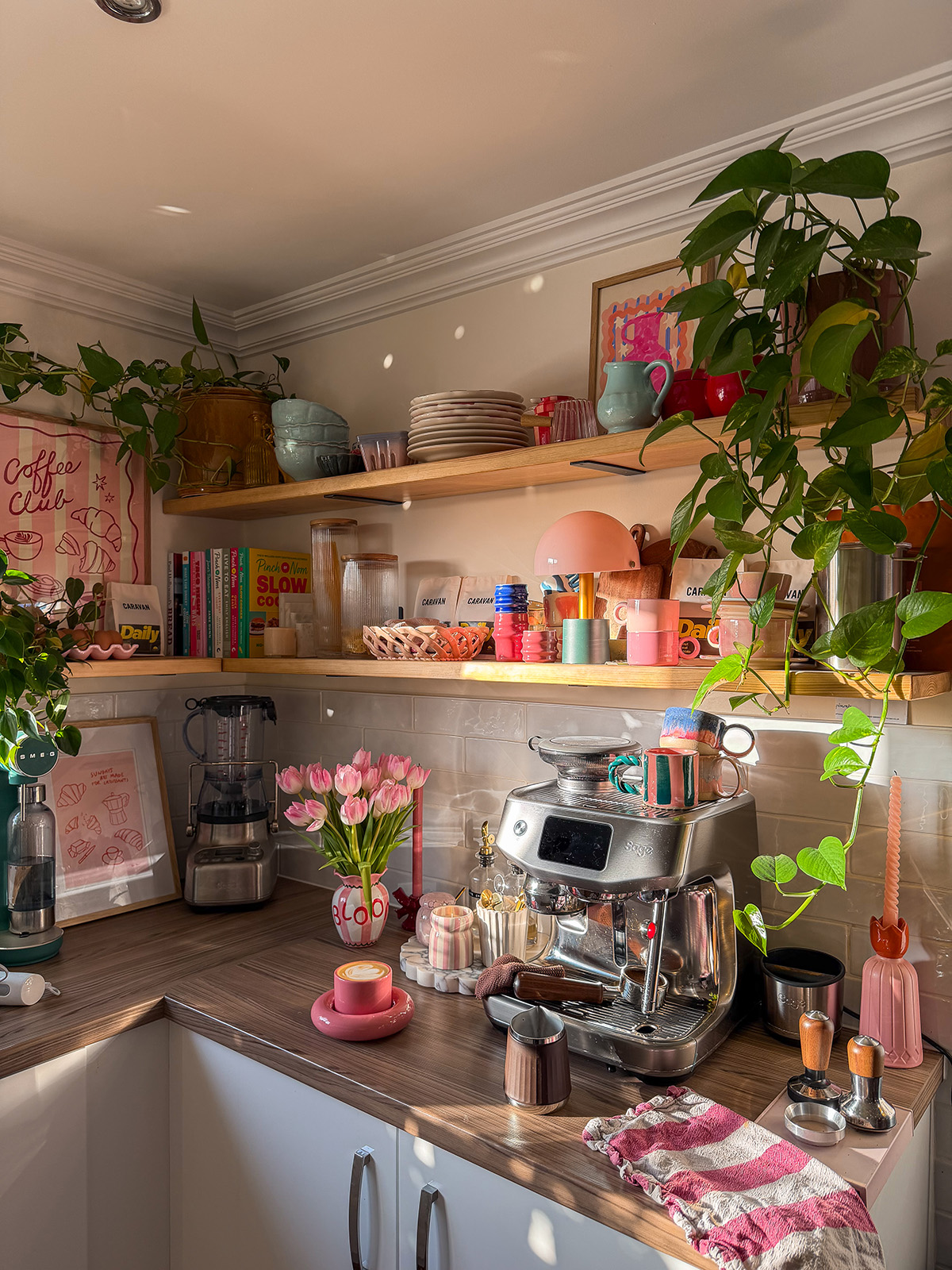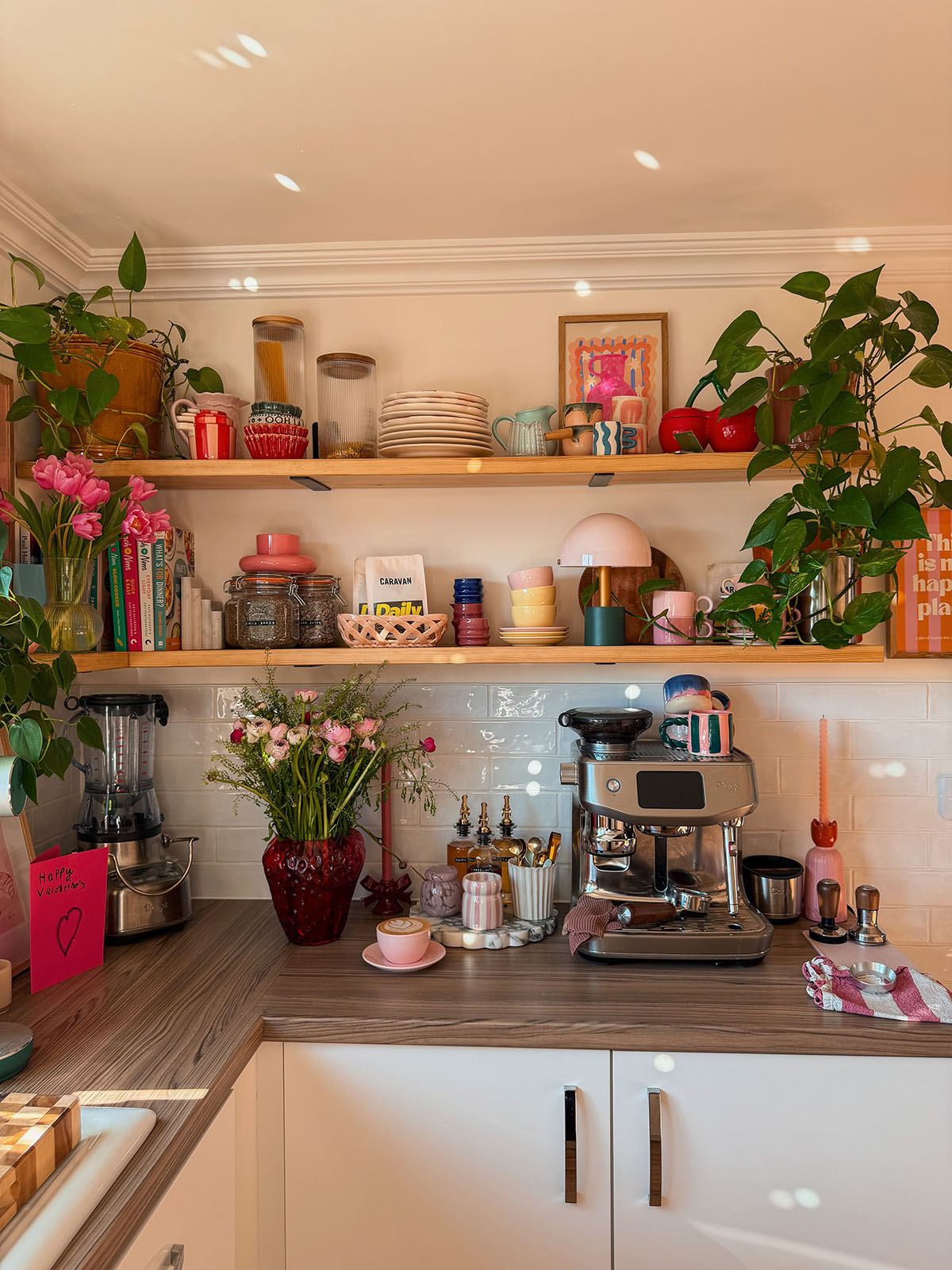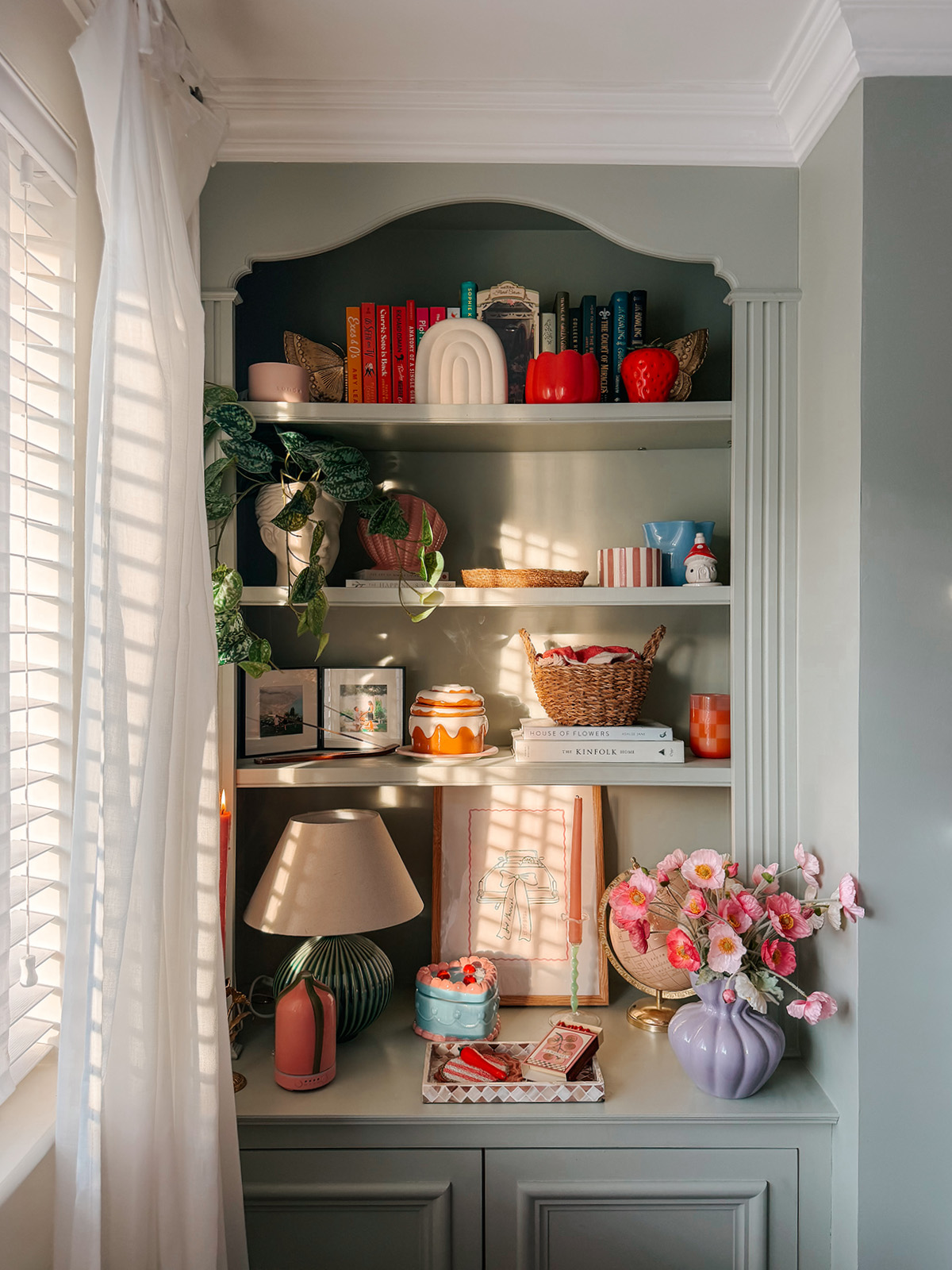
Right, hands up who’s done this when planning a room makeover! A lamp catches your eye on Instagram at eleven at night, and by twenty past it’s ordered. Then it turns up, you unbox it with real excitement, and… hmm. It’s bigger than you thought. Or the colour’s off. Or it just sort of sits there looking wrong, and you can’t quite say why.
I’ve got a little graveyard of those purchases myself. The whole point of planning first is to shop less and love more of what you actually buy.
Start With How You Want The Room To Feel
This bit sounds soft and wafty, I know, but stick with me, because it’s the thing everything else hangs off. Before a single purchase, decide what you want the room to feel like.
A cosy den for gloomy Sunday evenings is a completely different brief from a calm bedroom, which is different again from a home office that needs to keep you focused past 3pm. Nail down that feeling and suddenly every choice after it has a purpose — you’re not just picking things that are individually nice, you’re picking things that pull in the same direction. That’s usually the difference between a room that clicks and one that’s a lovely muddle.
Check The Layout Before You Buy Furniture
Now for the least glamorous, most useful ten minutes of the whole process: measuring up. Get the tape out and jot down the room’s dimensions, where the windows land, which way the doors open, and where the sockets and radiators live.
Then you can actually work out whether the dreamy three-seater leaves room to reach the window, or whether the bed you’ve been eyeing swings its full width right across the wardrobe door. If you’re planning a bigger redesign, 3d rendering services for interior design can help you see how furniture, colours, lighting, flooring and layout work together before you start buying pieces for the room. And if that feels like a lot, a scruffy sketch with the furniture drawn to scale does a surprising amount of the same job — it’s where the “ah, that’ll never fit” moments show up while they’re still free to fix.
Build A Mood Board Before Choosing Colours
Honestly, the mood board is my favourite part. It’s a cup of tea, a clear kitchen table, and everything for the room gathered in one spot: the paint sample, a bit of the flooring, the curtain fabric, a cushion cover, a scrap of rug, the metal finish you keep coming back to.
You gather it up because things behave differently side by side. That perfect greige goes chilly next to a cool floor. The brass you loved suddenly looks tired against the wrong wood. Far easier to spot all that shuffling swatches about than after you’ve painted an entire wall and it’s staring back at you looking nothing like the tester pot.
Think About Light At Different Times Of Day
Something people forget: your room isn’t one room, it’s about four, depending on the light. That cheerful spot by the window at breakfast can turn into a bit of a cave by teatime, and you only notice once you’re living with it.
So watch the light for a day or two before you commit. Where there’s plenty of natural light, brilliant, lean into it. Everywhere else needs layering for the darker hours — something soft on a side table, a lamp by wherever you’ll actually read, warm bulbs instead of that bluish white that makes everyone look poorly, and a proper task light if the room moonlights as a desk. This isn’t just about looks, either. Research into home environments has found the character of the spaces we live in genuinely relates to how restful and restorative they feel, which is a nice reminder that a room’s atmosphere affects our wellbeing and not only its appearance. Good light is a huge slice of that.
Add Storage Into The Design Early
Ah, storage. Nobody dreams about it, everybody misses it when it’s gone. Plan it in early and your gorgeous room stays gorgeous instead of slowly vanishing under the stuff of daily life.
Have a proper think about what needs a home in this particular room, then build somewhere lovely for it to go — baskets that look good and swallow throws, a sideboard hiding the chaos behind a nice front, shelves that display as much as they hold, built-ins if you’re feeling ambitious, and somewhere the toys can disappear at bedtime if that’s your life right now. Squeeze storage in at the end and you can always tell. Design it in from the off and the whole room breathes easier.
Use Inspiration, But Don’t Copy It Exactly
Pinterest is a joy for ideas and a trap if you try to clone a room wall for wall. Those spaces were staged for a camera, in a room that isn’t yours, with light and proportions that won’t match your own.
Pinch the bits that made you stop scrolling — the palette, a clever little storage trick, the way they’ve layered up texture — and then let them settle into your room rather than bending your room to match the photo. For a bit more of that, Gemma’s guide to modern home interior design ideas in the UK is a lovely place to browse before you decide what suits your own space.
Final Checklist Before Buying Anything
Quick run-through before anything lands in the basket. Room measured? Furniture fits with space to move around it? Colours checked in morning light and lamp light? Enough storage sorted? Something for the eye to land on when you walk in? Textures getting along rather than clashing? Lighting sorted for the dark evenings? And the big one — does it still feel like yours, or like you’ve moved into someone else’s photo?
The nice thing is that once all that’s clear in your head, the shopping stops being a gamble. You buy fewer things, you buy the right things, and you end up with a room that feels planned rather than pieced together in a panic. Which, after that little graveyard of impulse buys, is the whole reason it’s worth slowing down first.