
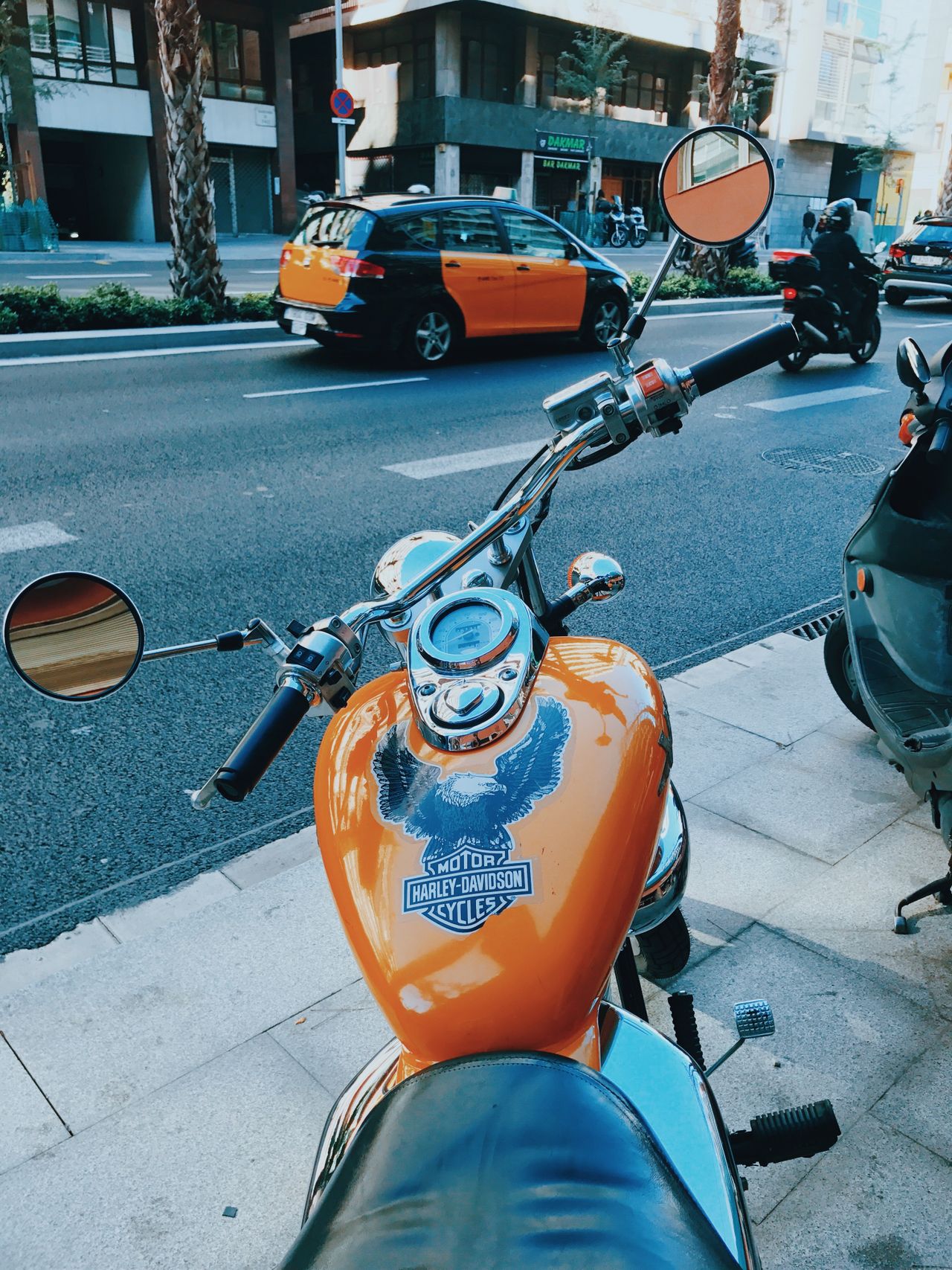
Starting your first two-wheeled adventure is an exciting thought. The feeling of freedom and connection to the open road is truly unique. But before you can hit the road, you need to take some key steps to make sure you’re safe, confident, and properly equipped. This guide will cover everything you need to know to begin your motorcycling journey, from choosing the right bike to doing basic maintenance. You’ll also learn about essential gear, safety tips, and how to plan your first biking vacation to really enjoy the open road.
Taking on a new hobby can seem overwhelming, but breaking it down into smaller steps makes it much easier. Think of it like learning any new skill: with good preparation and a little practice, you’ll be ready for your first ride.
Choosing the Right Bike
Your first motorbike is a big decision that involves more than just how it looks. For a beginner, the right bike should be easy to manage, comfortable, and suitable for the kind of riding you plan to do. Don’t be tempted by the biggest, fastest machine in the showroom. It’s smart to start on a bike with a smaller engine, usually between 125cc and 500cc. These bikes are lighter, more forgiving, and easier to handle while you’re building your skills.
Consider the different styles available:
- Cruisers: These bikes have a relaxed, low-riding position, which makes them comfortable for casual rides.
- Sport bikes: Built for speed and agility, they put you in a more aggressive, forward-leaning position. They can be less comfortable for beginners on longer rides.
- Naked bikes: These are great all-rounders. They remove the fairings of a sport bike for an upright, comfortable riding position. They are versatile and excellent for learning.
- Adventure bikes: Designed for both on-road and off-road travel, they are tall and sturdy, giving you a commanding view of the road.
When you’re looking, pay close attention to the seat height. You should be able to place at least the balls of both feet firmly on the ground when sitting. This gives you stability and confidence, especially when stopping and starting. Buying a used bike from a reputable dealer can also be a cost-effective way to get started.
Essential Riding Gear
Your gear is your main protection. Never cut corners on protective equipment; it’s a vital investment in your safety. A common phrase to remember is ATGATT: All The Gear, All The Time. This means wearing full protective gear on every single ride, no matter how short.
A cycling essentials buying guide shows how important proper equipment is, and this principle is even more crucial for motorcycling. Here’s what you’ll need:
- Helmet: This is the most important piece of gear. It must fit snugly and meet current safety standards. Always buy a new helmet, as you can’t be sure of a used one’s history. A full-face helmet offers the most protection.
- Jacket and Trousers: Look for motorcycle-specific clothing made from abrasion-resistant materials like leather or reinforced textiles. They should have CE-approved armour in the elbows, shoulders, back, hips, and knees.
- Gloves: If you fall, your hands often go out first. Proper riding gloves protect your hands from impact and abrasion while also improving your grip on the controls.
- Boots: Sturdy, over-the-ankle boots will protect you from ankle injuries, provide good grip on the road surface, and shield you from the engine’s heat.
Good gear not only protects you in an accident but also makes riding more comfortable by shielding you from wind, rain, and debris.
Getting the Proper Training
Riding a motorbike is a skill that needs proper instruction. Before you can legally ride on public roads in the UK, you must complete Compulsory Basic Training (CBT). This isn’t a test, but a course designed to make sure you can ride safely on your own. It covers basic machine control, road sense, and practical riding skills.
A CBT certificate lets you ride a moped if you are 16 or older, or a motorcycle up to 125cc if you are 17 or older. You’ll need to display L-plates (or D-plates in Wales), and your certificate is valid for two years.
However, your training shouldn’t stop at the CBT. To ride a more powerful bike and carry passengers, you’ll need to pass your full motorcycle test. Consider taking advanced riding courses after you get your licence. Organisations like the Institute of Advanced Motorists (IAM RoadSmart) offer courses that will significantly improve your skills, boost your confidence, and teach you how to anticipate and handle hazards more effectively. Continuing to learn is key to becoming a safer, more competent rider.
Securing Your Motorbike Cover
Once you have your bike, getting the right insurance is a legal requirement and a financial necessity. It protects you, your bike, and other road users. There are three main levels of cover: Third Party Only, Third Party Fire and Theft, and Fully Comprehensive. As a new rider, it’s vital to explore your options thoroughly to make sure you have enough protection.
Some insurers offer policies specifically for new riders or certain types of bikes. For example, you can find specialist motorbike cover from Carole Nash that might include benefits like breakdown recovery or legal expenses cover. When comparing policies, don’t just look at the price. Check the excess amount (the sum you pay towards a claim), any included extras, and the insurer’s reputation for customer service. Giving accurate information about your riding experience and where the bike will be stored can help you get the right quote.
Planning Your First Routes
With your bike, gear, and insurance sorted, the real fun begins. For your first few rides, it’s best to stick to roads you already know well. This lets you focus on your riding technique, practising smooth gear changes, braking, and cornering, without the added stress of navigation.
Start with short trips of 20-30 minutes and gradually increase the duration as you get more confident. A helpful beginner’s guide to two-wheeled adventure suggests planning is key, and this applies just as much to short day trips as it does to long-distance touring. Plan your route beforehand, perhaps using a mapping app on your phone. Look for quiet B-roads or scenic country lanes instead of heading straight for busy motorways or complex city centres.
Riding in a group with more experienced friends can be a great way to learn, but make sure you ride at your own pace. Don’t feel pressured to keep up or ride beyond your comfort level. The goal is to build experience safely and enjoyably.
Basic Maintenance Checks
You don’t need to be a master mechanic, but knowing how to do simple pre-ride checks is essential for safety. A well-maintained bike is a safe bike. Get into the habit of giving your motorcycle a quick once-over before every ride. A common checklist is T-CLOCS, which stands for Tyres, Controls, Lights, Oil, Chassis, and Stands.
Here’s a simplified version for beginners:
- Tyres: Check the pressure is at the manufacturer’s recommended level and look for any signs of damage or wear.
- Chain: Make sure it has the right amount of tension (check your owner’s manual) and is properly lubricated.
- Oil: Use the dipstick or sight glass to check the engine oil level is between the minimum and maximum marks.
- Lights and Electrics: Test your headlights (main and dipped beam), indicators, brake lights, and horn to make sure they all work correctly.
- Brakes: Check both front and rear brakes feel firm and responsive. Visually inspect the brake fluid levels.
Learning these basic checks will give you a better understanding of your machine and help you spot potential problems before they become serious.
Taking the time to prepare properly will set you up for a long and enjoyable life on two wheels. Build your skills gradually, invest in your safety, and, most importantly, have fun exploring the world from a whole new perspective.

