A dedicated home fitness zone can remove many of the small obstacles that make regular exercise difficult. There’s no travel time, no need to pack a bag and no waiting for equipment to become available. Your workout space can also reflect the activities you genuinely enjoy, from yoga and mobility work to strength training and indoor cycling.
The area doesn’t need to look like a commercial gym. A carefully arranged spare room, garage corner or purpose-built garden space can support an effective routine while fitting naturally into your home life.
Why Exercise at Home?
Convenience is one of the clearest benefits of home exercise. A 30-minute session takes roughly 30 minutes, without a commute at either end. That makes it easier to fit movement around work, childcare and other daily commitments. The practical home workout benefits include greater privacy and easier access, both of which can support a more consistent routine.
Home training also gives you control over the environment. You can choose the temperature, music, lighting and session length. If you’re new to exercise, having privacy may help you learn movements without feeling self-conscious. Experienced exercisers can follow their own programme without adjusting it around a busy class schedule.
Flexibility matters on unpredictable days. You might complete a full session before breakfast, do 15 minutes of mobility during lunch or split a workout into two shorter blocks. Those smaller sessions still count and they can keep the habit going when time is tight.
There are financial benefits too. Some equipment requires an initial investment, but you won’t have recurring travel costs or monthly membership fees. Start with the basics and add items only when your routine shows that you’ll use them regularly.
Designing Your Ideal Workout Space
Begin with the type of exercise you’ll do most often. Yoga, Pilates and bodyweight sessions need enough clear floor area to lie down and stretch your arms comfortably. Indoor cycling requires less movement space but needs ventilation and access to a power socket if the bike has a screen. Strength training calls for safe clearance around the equipment and suitable storage.
Measure the full usable area, including ceiling height. The amount of home gym space you need depends on your equipment and movement patterns, so mark potential layouts on the floor with masking tape before buying anything large. Open doors, extend folding equipment and practise a few movements within the marked area to check that the layout works.
Flooring should suit both the room and your routine. Interlocking rubber tiles can protect a solid floor and reduce noise, while a supportive exercise mat may be enough for lower-impact activities. Make sure rugs can’t slide or bunch up underfoot.
Good lighting and fresh air make the space far more pleasant to use. Natural light works well during the day, though blinds may help with glare and privacy. Add bright overhead lighting for darker mornings and consider a fan if the room tends to become warm. A mirror can help you check your position, but it should be securely fixed and placed where it won’t be struck accidentally.
Creating Space for Serious Training
A corner of a bedroom can work well for short sessions, yet larger equipment and more ambitious training plans often benefit from a separate room. Keeping the area permanently ready removes the need to shift furniture before every workout. It also creates a clearer boundary between exercise, work and relaxation.
A spare room, converted garage or insulated garden room could provide that separation. Homeowners who want a purpose-built option can explore garden gyms by My Outhouse as an example of custom garden structures designed around the available space. Before committing to any separate building, consider access, insulation, lighting, power and ventilation alongside the internal dimensions.
Think about how the room may need to change over time. Leave a clear route between the entrance and your main exercise area, then position fixed or heavy items around the edges. Wall-mounted storage can keep mats and resistance bands tidy without reducing useful floor space. If several people will use the room, adjustable equipment will usually serve the household better than items suited to one height or training style.
Noise deserves early attention. Protective flooring can reduce vibration, while placing equipment away from shared walls may limit disturbance elsewhere in the home. If you exercise early or late, test the sound from an adjoining room before finalising the layout. This simple check can prevent an otherwise useful space from becoming inconvenient for everyone else.
Essential Equipment for Any Budget
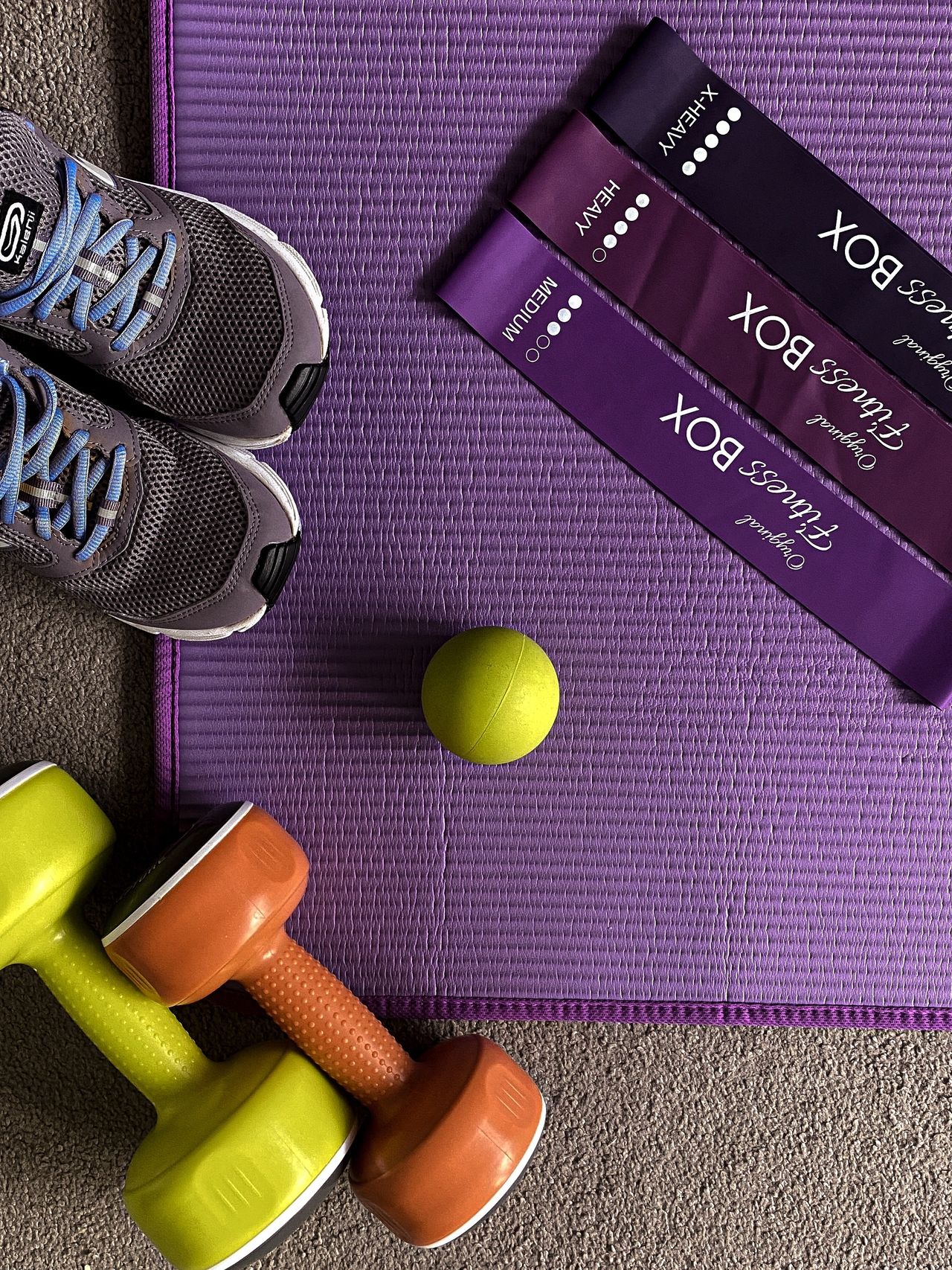
You can build an effective home exercise space without filling it with large machines. A mat, a set of resistance bands and enough open floor space will support mobility work, core exercises and full-body strength sessions. A skipping rope can provide compact cardio equipment if your floor, ceiling height and household noise levels allow it.
For a modest upgrade, consider adjustable dumbbells, a stable step and a foam roller. Adjustable weights cost more initially than a single pair, but they occupy less room than a full rack and can accommodate gradual progress. Choose equipment that suits movements already included in your routine. An item bought for one highly specific exercise may spend most of its time in storage.
Larger budgets open up options such as an indoor bike, rowing machine or multi-purpose cable station. Check the equipment’s footprint when it’s in use, not only its folded dimensions. Allow room to get on and off safely, reach adjustment controls and complete the full movement. These home gym ideas show how different layouts can support different exercise preferences.
Storage is part of the equipment plan. Use hooks for bands, a rack for weights and a basket for towels or smaller accessories. Keeping the floor clear reduces trip risks and makes the room feel ready when you walk in. A basic cleaning kit is useful too, particularly when several members of the household share mats, handles and benches.
Staying Motivated in Your Own Gym
Easy access helps, but a home gym still needs to become part of your routine. Choose a regular time that fits your real week. Three 30-minute sessions you can repeat are more useful than an ambitious daily plan that collapses after a fortnight.
Keep the first few weeks simple. Decide in advance which days you’ll train, what each session will include and how long it should take. For example, Monday could be a full-body strength session, Wednesday a short indoor cycle and Saturday a mobility workout. Put these appointments in your calendar and prepare any equipment the evening before.
The surroundings can reinforce the habit. The Cleveland Clinic’s advice on creating a home gym you’ll use highlights the value of making the space inviting and choosing activities you enjoy. A clear floor, charged speaker and ready-to-use equipment remove small delays that can weaken your motivation.
Track something meaningful, such as sessions completed, cycling distance or the number of controlled repetitions. Avoid relying only on appearance or body weight, as those measures may change slowly and don’t capture improvements in energy, mobility or strength. If boredom sets in, change the session format, follow a new class or invite another household member to join you.
Most importantly, let the room earn its place in your home. A fitness zone that stays tidy, supports your favourite activities and remains ready for the next session is far more likely to become part of everyday life.