
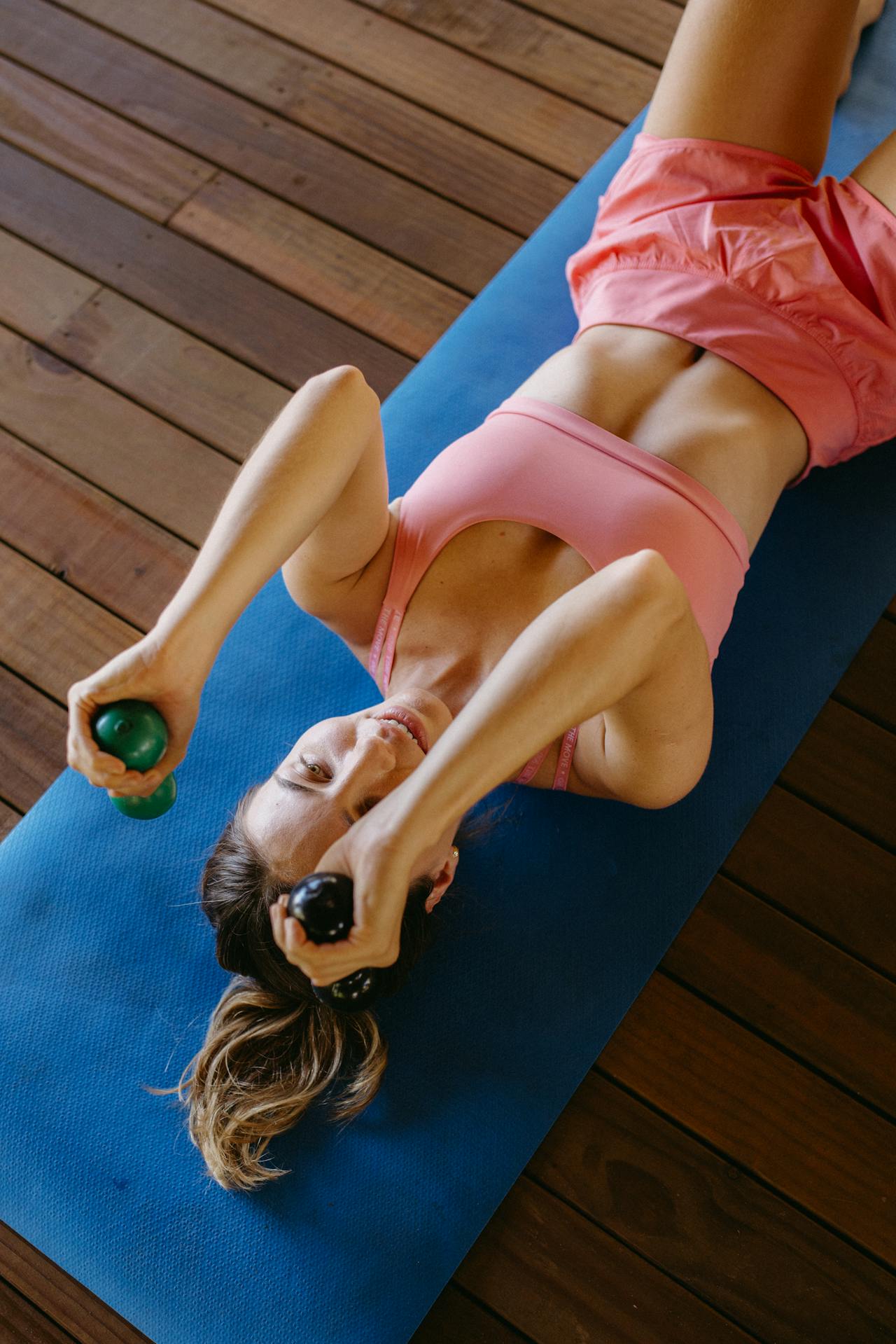
For anyone looking to improve workout performance, the first three things they consider are usually training plan, diet and consistency. Yes, these factors are undoubtedly significant, but lurking in the background is another: what you wear. While clothing may seem trivial, it greatly impacts how well your body performs, how good you feel and sometimes even the drive to perform better during workouts.
They can help you perform at your peak or they can inhibit your performance silently, every step of the way — from your choice of fabric right through how well it fits and functions. Knowing how this operates can allow you to make improved alternatives which simply escalate comfort and benefits.
The Science Behind Workout Clothing
Exercise Fashion: Workout clothes are about more than looks — it’s about how these materials interact with your body. In motion, your body produces heat and perspiration, which the clothes on your back play a significant role in controlling.
The latest in ragtop acronym fashions are “sporty clothes,” which means they have some kind of moisture-wicking properties, which is a fancy phrase that just means they pull the sweat off your skin and allow it to evaporate quickly. It allows body temperature regulation and prevents discomfort. The cotton fabric, on the other hand, absorbs moisture so you end up feeling hot sweaty and heavy.
Breathability is another feature of high-performance fabrics; this keeps air flowing and cools the body. This is most important during strenuous exercise when the risk of overheating can decrease your muscle stamina and make you fatigued.
Performance fabrics are machined to ensure comfort, breathability and freedom of movement while exercising which helps an athlete to provide better consistency and effectiveness, as most sportswear manufacturers tend to emphasise.
Temperature Regulation and Performance
Controlling temperature: Your body works best when it is in a particular weight range. That means when you overheat, energy output goes down: and less blood is diverted from working muscles to cooling — causing the body to go into overdrive. Likewise, being too cold will make your muscles rigid and lessen the risk of injury.
Clothing is an important part in keeping this balance. In warm weather, you want lightweight and breathable fabrics whereas in the cold, you need running apparel layers that will trap heat. The trick is to wear clothes that can change with your environment, and not impede on your body temperature regulation.
Performance is very much affected if you do not know how to ignore the weather. For instance, overdressing in hot weather increases fatigue at a faster rate compared with underdressing during cold temperatures where flexibility is limited.
Freedom of Movement and Flexibility
Range of Motion — The most crucial component in workout apparel is the effect on your motion range. Tight or loosely fitting clothes can restrict movement, which limits the effectiveness of exercises and can also increase discomfort.
Flexibility is vital for yoga and stretching type activities. Tight or rigid materials can hinder correct posture whilst extremely loose garments can obstruct or lead to distractions. In an ideal world, workout clothes should compliment your body rather than work against it.
The use of stretchy materials and well thought out fits allows for natural movement that not only helps performance, but reduces the risk of strain or injury. Unrestricted movement is crucial for getting better results whether you lift weights, run or do bodyweight exercises.
Sweat, Hygiene, and Skin Health
Sweating is normal while exercising, but bad clothing may make it a menace. Moisture-wicking fabrics create a breeding ground for bacteria, which not only cause odors but could also irritate your skin.
Using quick-drying, breathable materials keeps away moisture from the skin and prevents rashes or discomfort if any. Regular exercisers, in particular, need to be aware of this as repeated exposure will deteriorate skin health over time.
Staying clean is more than just comfort: It avoids the development of long term problems! Wearing the correct clothing obviously makes a massive difference in how your body feels throughout and after exercise.
HOW DRESS AFFECT PSYKIS: THE PSYCHOLOGICAL EFFECTS OF WHAT YOU WEAR
Clothes not only affect your body but also your mind. You have probably heard of the psychological effect called something like ‘enclothed cognition’ where what you throw and wear affects how you would think and act.
If you are comfortable in your exercise clothing, then you will stay motivated and focused throughout. However, wearing uncomfortable or poorly fitting clothes translates to a distraction, diminishing your enthusiasm for an exertion.
Every tiny little detail matters, like the way an outfit looks and feels on your body can affect how you feel about working out. Having workout clothes may also create a basis for a routine — exercising in your head, wearing apparel of professionalism, dedicated fashion transition makes it easier to fall into an active mentality.
This Song Sounds Fit vs Fashion Or Does It?
Yes, you want to look good while working out but functionality should be the priority. Style should never come at the cost of comfort – and clothing that ends up restrictive can impact performance.
Wearing tight clothes will limit blood flow/exercise mobility while overly baggy things get in the way of exercises. Finding the balance is about wearing clothes that suit your fit, support your activity and offer ease of movement.
In recent years, function and design have become increasingly fused. For instance, USportsGear has brought attention to the fact that sports uniforms can react as suited warriors–breathable and flexible fabrics that facilitate performance while still providing customization for team identity and comfort-driven use.
This is indicative of the larger overall movement in understanding that clothing first and foremost must facilitate performance with aesthetic benefits ensuing as an afterthought.
Common Mistakes People Make
A lot of people make clothing decisions that hamper their workouts, without even realizing it. The most common errors are:
- Cotton is great on an easy day, but for the hard ones? Hoo boy does that sweat add up.
- When the clothing you wear is selected simply from appearance, without taking their functionality into account
- Mindless selection of workout gear irrespective of the weather
- Worn out or poorly fitting bras no longer provide adequate support
Here are a few things to avoid if you want your workout to go smoother.
Wear Else to Keep Fit: Practical Tips for Selecting Workout Garments
Choosing better clothes is not rocket science. A few basic rules will serve you well:
- Opt for breathable fabrics that wick sweat away, when it comes to tough workouts.
- Thanks to the soft material, you can move easily in your clothes without stress.
- Dress appropriately for your climate and environment
- Focus on utility and comfort, not trendy stuff
- Replace worn apparel that is no longer functional
So you can create a better, more comfortable and effective workout by concentrating on these basics.
Final Thoughts
Workout performance is impacted by a variety of factors, but one unexpected avenue has to do with clothing. The right outfit can perform better at being temperature and movement enhanced, comforted, and confident.
And yes, what you wear isn’t going to substitute the hard work or consistency—but it can make your path smoother and more fun. It is all about making small changes in how your clothes affect your body and your mind-set to better your overall performance.