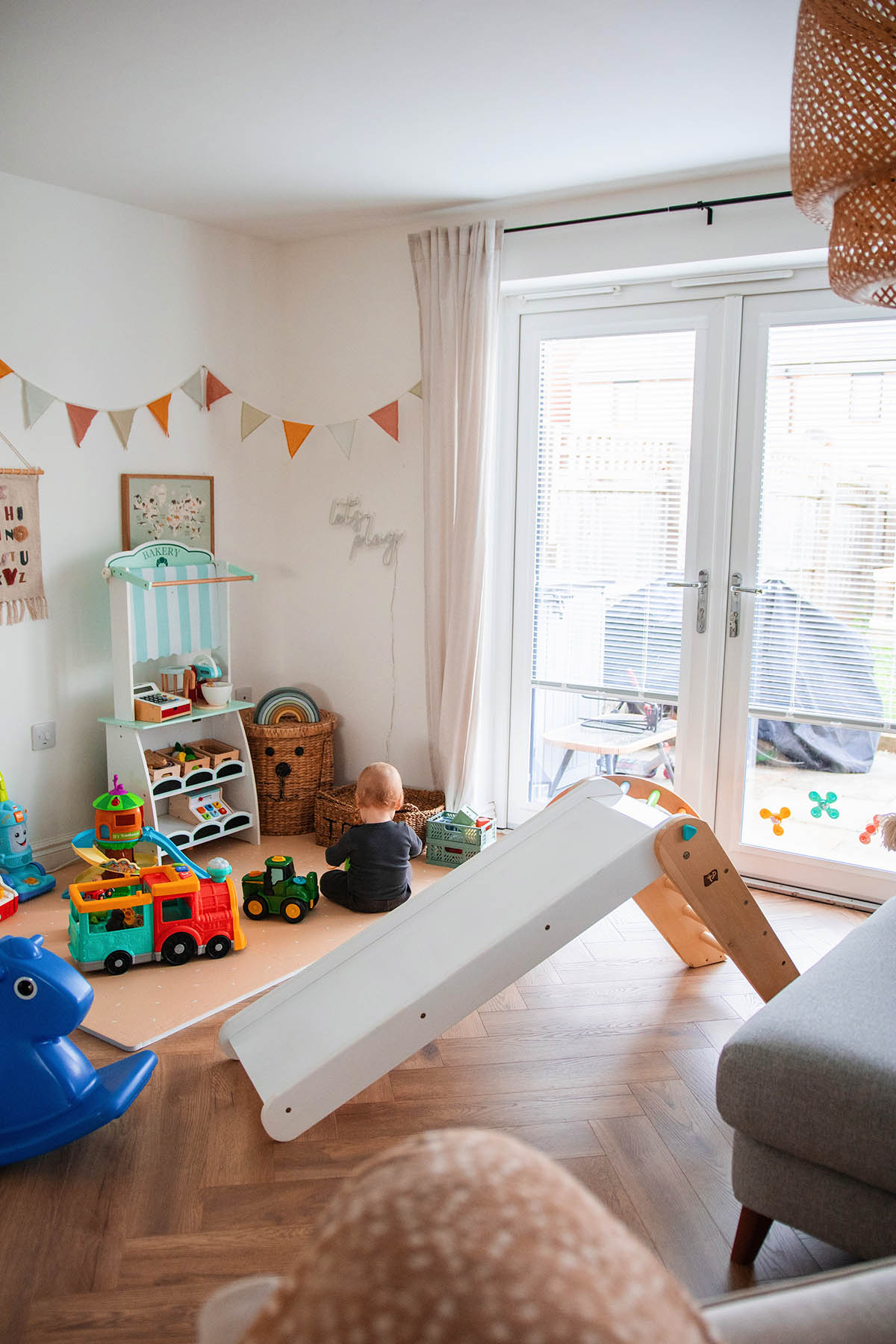

Is your home environment affecting your sleep quality? Every parent has felt it, the irritation of a child who hasn’t slept well and the fogginess that lingers in a partner’s eyes after a restless night. Sleep isn’t just an individual affair. When one individual struggles with sleep, it affects everyone. The details hardly matter in the moment. What matters is the next morning’s mood, concentration in school or at work, and even family dynamics around the breakfast table. Tiredness seeps into everything like unwelcome mist. Many blame stress or screens for poor rest, but another culprit is hiding closer to home: the environment where families spend their nights.
Hidden Influencers: Temperature and Air Quality
Everyone wants comfy pillows and duvets, but good sleep requires more. Temperature changes and inadequate air circulation quietly disrupt sleep every night. Family members wake up weary in stuffy or warm bedrooms even with blackout curtains and gadgets removed. Specialist air conditioning firms like Sub Cool FM deserve respect because adjusting the ambient temperature might affect whether you wake up refreshed or exhausted. How often do we check the thermometer before blaming other factors?
Light: Friend by Day, Foe by Night
Children hate going to bed while daylight still peeks through the window. Just ask any parent during the summer months. Artificial lights bring their problems. Blue glow from tablets tricks the brain into thinking it’s noon instead of midnight. Streetlights outside? They sneak around curtains with surprising effectiveness, scattering restlessness through households big and small. Most people never question ordinary lighting choices until sleep suffers repeatedly over weeks or months. Installing dimmable switches seems trivial until one realises how quickly soft lighting calms nerves before bedtime.
Noise: The Constant Disturber
Some houses hum quietly. Others exist in constant commotion, with dogs barking outside, trains rattling past at odd hours, and neighbours arguing over fence heights again. Noise interrupts deep sleep stages, no matter how heavily an individual thinks they sleep through anything. Babies stir at distant sirens. Teenagers pretend not to notice but become cranky anyway come morning time. Silence isn’t always possible (try telling a fox not to screech at 3 am), but consistent bedtime routines plus white noise machines help mask unpredictability enough that tired minds can drift off undisturbed.
Clutter and Comfort: More Than Mess
Untidiness goes beyond irritation. It causes tension that keeps brains buzzing when everyone should be relaxing instead of worrying about lost socks or laundry piles on “the chair”. If you expect decent sleep from your family, bedrooms should be relaxing, not full of papers. Supportive mattresses help, but they don’t matter if the bedroom is chaotic and cramped—a lesson gained after too many nights of looking at ceiling cracks instead of sleeping.
Conclusion
Anyone hoping for better mornings should pay closer attention to what surrounds them overnight. The evidence could not be clearer, as each day drags after yet another poor night’s rest under less-than-ideal conditions. Small tweaks deliver outsized results faster than most imagine possible: cooler rooms, reduced clutter, and quieter spaces become new allies against persistent fatigue threatening family harmony day after day. Change doesn’t require grand renovations. Small steps count most when seeking healthier patterns together inside familiar walls.
Image attributed to Pexels.com