
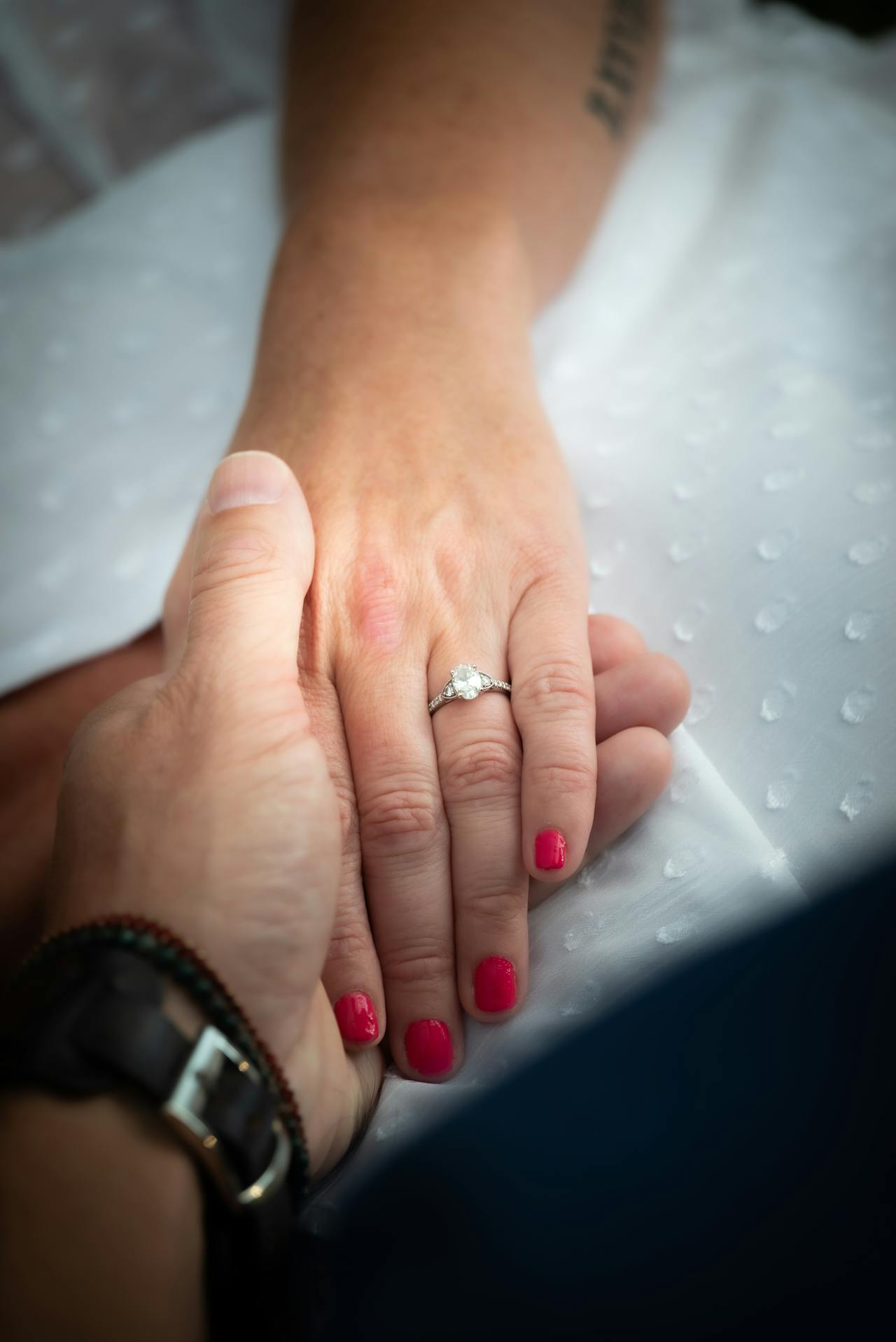
How to clean your engagement ring safely – Your engagement ring is more than jewellery—it’s a symbol of commitment that deserves proper care. Regular home cleaning keeps your ring sparkling between professional services. According to jewellery experts at Queensmith, consistent maintenance prevents buildup that can dull diamonds and damage settings. This comprehensive guide teaches you professional-quality cleaning methods safe for all ring types.
Essential Supplies for Ring Cleaning
Before you begin cleaning your engagement ring, gather the proper supplies to ensure safe, effective results. Using the right tools is not optional—it’s essential to prevent accidental damage to your precious jewellery.
Required Cleaning Materials
| Item | Purpose | Where to Find |
| Mild dish soap | Gentle degreaser safe for all metals and most gemstones | Kitchen cupboard or supermarket |
| Warm distilled water | Prevents mineral deposits from tap water | Grocery stores or pharmacies |
| Soft-bristled toothbrush | Reaches crevices without scratching metal | Dental section of any shop |
| Lint-free microfibre cloth | Dries without leaving fibres or scratches | Optical shops or cleaning supply stores |
| Small glass bowl | Contains cleaning solution safely | Kitchen supply or home goods shop |
According to diamond experts at Brilliant Earth, avoiding abrasive materials is crucial. Baking soda, toothpaste, and rough cloths can scratch gold, platinum, and even diamonds over time.
What NOT to Use
Understanding what to avoid is as important as knowing what to use:
- Harsh chemicals: Bleach, chlorine, and acetone weaken metal settings and dull gemstones
- Abrasive cleaners: Baking soda, toothpaste, and scouring powders scratch surfaces
- Hot water: Extreme temperatures can loosen prong settings and damage certain stones
- Paper towels: These leave scratches and lint that diminish sparkle
- Household cleaners: Products containing ammonia damage pearls and softer gemstones
Step-by-Step Cleaning Method for Diamond Rings
Diamond engagement rings are the most popular choice in Ireland, and cleaning them properly maintains their legendary brilliance. This method works for engagement rings from Ryan Thomas Jewellers and other fine jewellers.
The Basic Cleaning Process
Step 1: Prepare Your Cleaning Solution
Fill your small glass bowl with warm distilled water—not hot, which can loosen settings. Add just 2-3 drops of mild dish soap. According to jewellery care experts at Holden, this simple solution effectively removes oils, lotions, and daily grime without harsh chemicals.
Step 2: Soak Your Ring
Place your engagement ring into the solution and let it soak for 20-30 minutes. This soaking period is essential—it loosens debris trapped under settings and around prongs without aggressive scrubbing. Never leave your ring soaking for longer than 40 minutes, as extended exposure even to mild soap can affect some metal finishes.
Step 3: Gentle Brushing
Remove the ring from the solution. Using your soft-bristled toothbrush, gently scrub the diamond, paying special attention to the underside where oils accumulate. Brush around the setting and band, where dirt typically builds up. The key is gentle, circular motions rather than aggressive scrubbing.
Step 4: Rinse Thoroughly
Rinse your ring under lukewarm running water. Place a strainer in your sink first—this is not optional. According to care guides from The Knot, dozens of rings are lost down drains each year during home cleaning.
Step 5: Dry Completely
Pat your ring dry with a lint-free microfibre cloth. Never rub vigorously, as this can catch prongs and loosen settings. Allow the ring to air-dry for a few minutes before wearing to ensure no moisture remains in crevices.
What Results You Should Expect
A properly cleaned diamond engagement ring displays:
- Exceptional brilliance: Light reflects from all facets without obstruction
- Clean settings: No visible residue around prongs or under the stone
- Smooth metal: Band feels clean without oily residue
- Secure stones: All gemstones remain firmly in their settings
This is not an intensive professional cleaning—it’s regular maintenance. If your ring doesn’t sparkle after home cleaning, buildup may exist beneath the stone, requiring professional attention.
Cleaning Different Engagement Ring Metals
Each metal used in engagement rings requires specific care considerations. Understanding these differences is essential to avoid damage during home cleaning.
Gold Engagement Rings (Yellow, Rose, White)
Gold remains the most traditional choice for engagement rings. Pure gold is soft, so jewellers create alloys by mixing gold with other metals for durability. According to metal care guides from Brilliant Earth, the most common karat for engagement rings is 14k, which contains 14 parts gold and 10 parts alloy mixture.
Yellow and Rose Gold: Clean using the standard warm water and mild soap method described above. These metals are relatively low-maintenance and resistant to tarnishing. Rose gold contains copper, giving it that distinctive pink hue, but it cleans identically to yellow gold.
White Gold: This requires special attention because white gold isn’t naturally white. Jewellers create it by mixing pure gold with white metals like palladium or silver, then finishing with rhodium plating. This rhodium coating gives white gold its brilliant, silvery appearance. Over time, this plating wears away, revealing the slightly yellow tone underneath.
Clean white gold gently using the same soap and water method, but avoid excessive scrubbing which accelerates rhodium wear. White gold rings need professional re-plating every 2-4 years to maintain their appearance. Wedding ring specialists at Ken & Dana Design recommend tracking when your ring was last plated and scheduling maintenance accordingly.
Platinum Engagement Rings
Platinum is the premium choice for engagement rings, prized for its durability and natural white colour. Unlike white gold, platinum requires no plating and is naturally hypoallergenic. According to ring metal guides from With Clarity, platinum bands must contain at least 95% platinum to be considered pure.
Clean platinum rings using the standard warm water and mild soap method. Platinum is harder to scratch than gold, but when scratched, the metal isn’t lost—instead, it shifts within the ring itself, creating what’s known as a patina finish. Many platinum owners appreciate this lived-in appearance, but if you prefer a polished look, professional buffing removes the patina.
Platinum is exceptionally secure for stone settings because it’s denser and more durable than gold. This makes it ideal for engagement rings with valuable diamonds or gemstones.
Metal Cleaning Comparison Table
| Metal Type | Cleaning Method | Maintenance Needs | Special Considerations |
| Yellow Gold | Warm water + mild soap | Low maintenance | Naturally resistant to tarnishing |
| Rose Gold | Warm water + mild soap | Low maintenance | Contains copper; cleans like yellow gold |
| White Gold | Warm water + mild soap | Re-plating every 2-4 years | Rhodium coating wears; may cause allergies (nickel) |
| Platinum | Warm water + mild soap | Very low maintenance | Develops natural patina; hypoallergenic |
Caring for Gemstone Engagement Rings
While diamonds dominate engagement rings, coloured gemstones are increasingly popular in Ireland. Each gemstone type requires specific cleaning approaches to prevent damage.
Sapphire Engagement Rings
Sapphires rank 9 on the Mohs hardness scale, making them excellent for daily wear engagement rings. Ryan Thomas Jewellers offers beautiful sapphire engagement options that combine durability with striking colour.
Clean sapphire rings using warm water, mild detergent, and a soft-bristled brush. Allow your sapphire ring to soak for 20-30 minutes, gently scrub to remove buildup, and pat dry with a lint-free cloth. According to gemstone care experts at the International Gem Society, untreated sapphires are safe for ultrasonic cleaning, but treated sapphires require caution.
Ruby Engagement Rings
Rubies are essentially red sapphires—both are corundum—so they clean similarly. Use the standard warm water and mild soap method described for sapphires. However, treated rubies, particularly fracture-filled stones, should not be cleaned with ultrasonic or steam cleaners, as the heat and vibration can damage enhancement treatments.
Emerald Engagement Rings
Emeralds require special care because they’re softer and more porous than diamonds or sapphires. According to gemstone cleaning guides from Diamonds Factory, emeralds should never be soaked in water for extended periods.
For emerald rings, use only room temperature water—never hot. Apply a small amount of very mild dish soap to a soft brush, gently clean the surface, and rinse quickly. Never soak emerald rings, as this can damage the stone. Most emeralds receive oil treatments to improve clarity, and prolonged water exposure or heat can remove these oils.
Emeralds are not suitable for:
- Ultrasonic cleaners
- Steam cleaners
- Hot water cleaning
- Extended soaking
- Harsh chemical exposure
Ryan Thomas Jewellers’ emerald engagement collection features these stunning green gemstones in secure settings, but they require the gentlest home care.
Other Popular Gemstones
Pearls, Opals, and Turquoise: These soft, porous stones should never be immersed in water or cleaned with soap. Simply wipe with a damp cloth after wearing and store separately to prevent scratches.
Moissanite: Clean like diamonds using the standard warm water and soap method. Moissanite is extremely durable and resistant to scratching.
Lab-Grown Diamonds: These clean identically to natural diamonds because they’re molecularly identical. Use the standard cleaning method without concern.
Professional Cleaning vs. Home Cleaning
Understanding when to clean at home versus seeking professional service protects your investment and ensures long-term ring health.
When Home Cleaning Is Sufficient
Home cleaning effectively maintains your engagement ring between professional services. Clean your ring at home:
- Every two weeks for daily wear: This prevents buildup of oils, lotions, and daily grime
- Before special occasions: Restore sparkle before weddings, parties, or photographs
- After exposure to residue: Clean after swimming, cooking, or using hand lotions
- When you notice dulling: If your diamond loses sparkle, home cleaning often restores it
According to ring care specialists at Abby Sparks Jewelry, regular home cleaning extends the time between professional services and helps you notice loose settings early.
When to Visit a Professional Jeweller
Professional cleaning is essential for:
- Annual inspections: Ryan Thomas Jewellers offers complimentary cleaning for rings purchased with them, including professional inspection of prongs and settings
- Deep cleaning needs: Buildup beneath stones requires ultrasonic cleaning by professionals
- Rhodium re-plating: White gold rings need professional re-plating every 2-4 years
- Loose settings: Any movement of stones requires immediate professional attention
- Persistent dullness: If home cleaning doesn’t restore sparkle, professional cleaning is necessary
Professional jewellers use specialized equipment including ultrasonic cleaners and steam cleaners that achieve results impossible at home. They also inspect your ring for wear, checking prongs, examining settings, and ensuring stones remain secure.
Professional vs. Home Cleaning Comparison
| Cleaning Type | Methods Used | What It Removes | Recommended Frequency |
| Home Cleaning | Warm water, mild soap, soft brush | Surface oils, lotions, daily grime | Every 2 weeks |
| Professional Cleaning | Ultrasonic, steam, polishing, inspection | Deep buildup under stones, stubborn residue | Annually (minimum) |
Common Mistakes That Damage Engagement Rings
Even with good intentions, improper cleaning techniques can damage your precious engagement ring. Understanding these mistakes helps you avoid costly repairs.
Using Harsh Chemicals
Bleach, chlorine, and acetone rank among the most damaging substances for engagement rings. These chemicals don’t just clean—they actively damage metal and gemstones. According to jewellery damage prevention guides from Taylor & Hart, bleach weakens gold alloys and can cause white gold to discolour permanently.
This is not safe: Cleaning rings with household cleaners, chlorine pool treatments, or nail polish remover
This is safe: Using only mild dish soap specifically designed for gentle cleaning
Improper Ultrasonic Cleaner Use
Ultrasonic cleaners use high-frequency sound waves to remove dirt, and while effective for certain jewellery, they pose significant risks when used incorrectly. Ultrasonic safety research from GIA confirms that many gemstones cannot withstand these vibrations.
Never use ultrasonic cleaning on:
- Emeralds, opals, or pearls (too soft and porous)
- Tanzanite, lapis lazuli, or turquoise (fracture easily)
- Diamonds with significant inclusions (vibrations worsen internal flaws)
- Any ring with loose settings (vibrations will dislodge stones)
According to jewellery cleaning safety guides from Quick Jewelry Repairs, even diamonds require caution. Although diamonds are extremely durable, diamonds with significant inclusions are at risk because ultrasound vibrations can make internal flaws worse.
Temperature Extremes
Hot water seems logical for cleaning, but it causes multiple problems. Extreme temperature changes can:
- Loosen prong settings: Heat causes metal expansion that weakens prongs
- Crack gemstones: Rapid temperature changes create stress fractures
- Damage treatments: Heat removes oils from emeralds and other treated stones
- Warp metal: Repeated heating can subtly change ring shape
This is not safe: Using boiling water, steam cleaning at home, or placing rings in dishwashers
This is safe: Using warm water at comfortable hand temperature (approximately 30-40°C)
Abrasive Cleaning Materials
Many household items seem suitable for cleaning but actually scratch metals and gemstones. Baking soda, toothpaste, and even some “jewellery cleaning cloths” contain abrasives that create microscopic scratches. Over time, these scratches accumulate, dulling your ring’s finish.
According to metal damage prevention guides from David Alan Jewelry, even small scratches compound over years, requiring professional polishing to restore the original finish.
Cleaning Over Open Drains
This mistake is so common yet so preventable. Dozens of engagement rings are lost annually in Ireland alone when they slip during cleaning and fall down drains. The soap makes rings slippery, and a moment’s inattention can result in devastating loss.
This is not safe: Cleaning rings over an open sink drain
This is safe: Placing a strainer in your sink or cleaning rings over a bowl on a table
Maintaining Ring Sparkle Between Cleanings
Consistent daily habits reduce the need for intensive cleaning and keep your engagement ring looking its best.
Daily Ring Care Habits
According to ring maintenance guides from James Allen, small daily actions significantly impact long-term ring appearance:
Remove your ring during:
- Applying lotions, creams, or makeup (these products coat diamonds and dull sparkle)
- Cleaning with household chemicals (harsh cleaners damage metal and stones)
- Swimming in chlorinated pools or the ocean (chlorine and salt water harm metals)
- Exercising or heavy physical work (impacts can loosen settings)
- Showering or bathing (soap residue builds up quickly)
Quick daily wipe: Each evening, gently wipe your ring with a soft, lint-free cloth to remove daily oils and residue. This 10-second habit prevents buildup between proper cleanings.
Proper Storage Practices
How you store your engagement ring when not wearing it affects both cleanliness and safety. According to ring care guides from Austenblake, proper storage prevents accidental damage and contamination.
Store your engagement ring:
- In a fabric-lined jewellery box: Prevents scratches and keeps dust away
- Separately from other jewellery: Diamonds can scratch other gemstones and metals
- Away from sunlight and heat: Some gemstones fade with prolonged sun exposure
- In a dry location: Humidity can tarnish certain metals over time
Never store your engagement ring:
- Loose in a drawer with other items
- In the bathroom (humidity and cosmetic exposure)
- Near heating vents or windows
- In plastic bags (these can trap moisture)
Regular Inspections
Every time you clean your ring at home, perform a quick inspection:
- Check for loose stones: Gently tap the ring and listen for any rattling sounds
- Examine prongs: Look for bent, worn, or broken prongs that hold stones
- Inspect the band: Check for cracks, especially near resized areas
- Test stone security: Very gently try to move stones—they shouldn’t budge at all
If you notice any problems during inspection, stop wearing the ring immediately and visit Ryan Thomas Jewellers or your local jeweller for repair. A loose stone is a minor fix when caught early but becomes a devastating loss if the stone falls out.
Frequently Asked Questions About Ring Cleaning
How often should I have my engagement ring professionally cleaned?
Have your engagement ring professionally cleaned and inspected at least once annually, even if it looks clean. Professional jewellers check settings, clean beneath stones, and identify wear before it becomes problematic. If you work with your hands frequently, increase professional cleanings to twice yearly.
Can I use toothpaste to clean my engagement ring?
Never use toothpaste on engagement rings. Despite popular myths, toothpaste contains abrasives that scratch gold, platinum, and even diamonds. These microscopic scratches accumulate over time, dulling your ring’s finish and requiring professional polishing to correct. Stick to mild dish soap and warm water—it’s safe and effective.
Is it safe to wear my engagement ring while washing dishes?
It’s best to remove your engagement ring while washing dishes. Dish soap builds up under settings, dulling diamonds, and rings can slip off in soapy water. Additionally, impact against pots and pans can loosen prongs or chip stones. Store your ring safely nearby while doing dishes, then put it back on when finished.
Why does my diamond look cloudy even after cleaning?
If home cleaning doesn’t restore your diamond’s sparkle, buildup likely exists beneath the stone where you cannot reach. Diamonds also appear cloudy if the ring’s rhodium plating has worn away (for white gold settings) or if the diamond itself has significant inclusions. Visit a professional jeweller for deep ultrasonic cleaning and inspection.
Can I clean my engagement ring with alcohol or vodka?
While alcohol and vodka are less harsh than bleach, they’re unnecessary and potentially problematic. Alcohol can damage certain gemstone treatments and doesn’t clean more effectively than mild soap and water. Save your spirits for drinking and stick to the proven warm water and dish soap method.
Conclusion: Protecting Your Investment
Your engagement ring represents both financial investment and emotional significance. Proper home cleaning, combined with regular professional maintenance, ensures your ring remains beautiful for generations. The simple routine of bi-weekly cleaning with warm water and mild soap prevents 90% of common ring problems while costing virtually nothing.
Remember these essential principles:
- Clean your ring every two weeks using only warm water and mild dish soap
- Avoid harsh chemicals, abrasives, and temperature extremes
- Remove your ring during activities that expose it to damage or chemicals
- Have your ring professionally cleaned and inspected annually
- Never clean over an open drain—use a strainer or work over a bowl
For engagement rings purchased from Ryan Thomas Jewellers, take advantage of their complimentary cleaning service. Professional jewellers have specialized equipment and expertise that complement your home cleaning routine, ensuring your ring receives comprehensive care.
With consistent care and attention, your engagement ring will maintain its original beauty and sparkle, serving as a lasting symbol of your commitment for decades to come.