
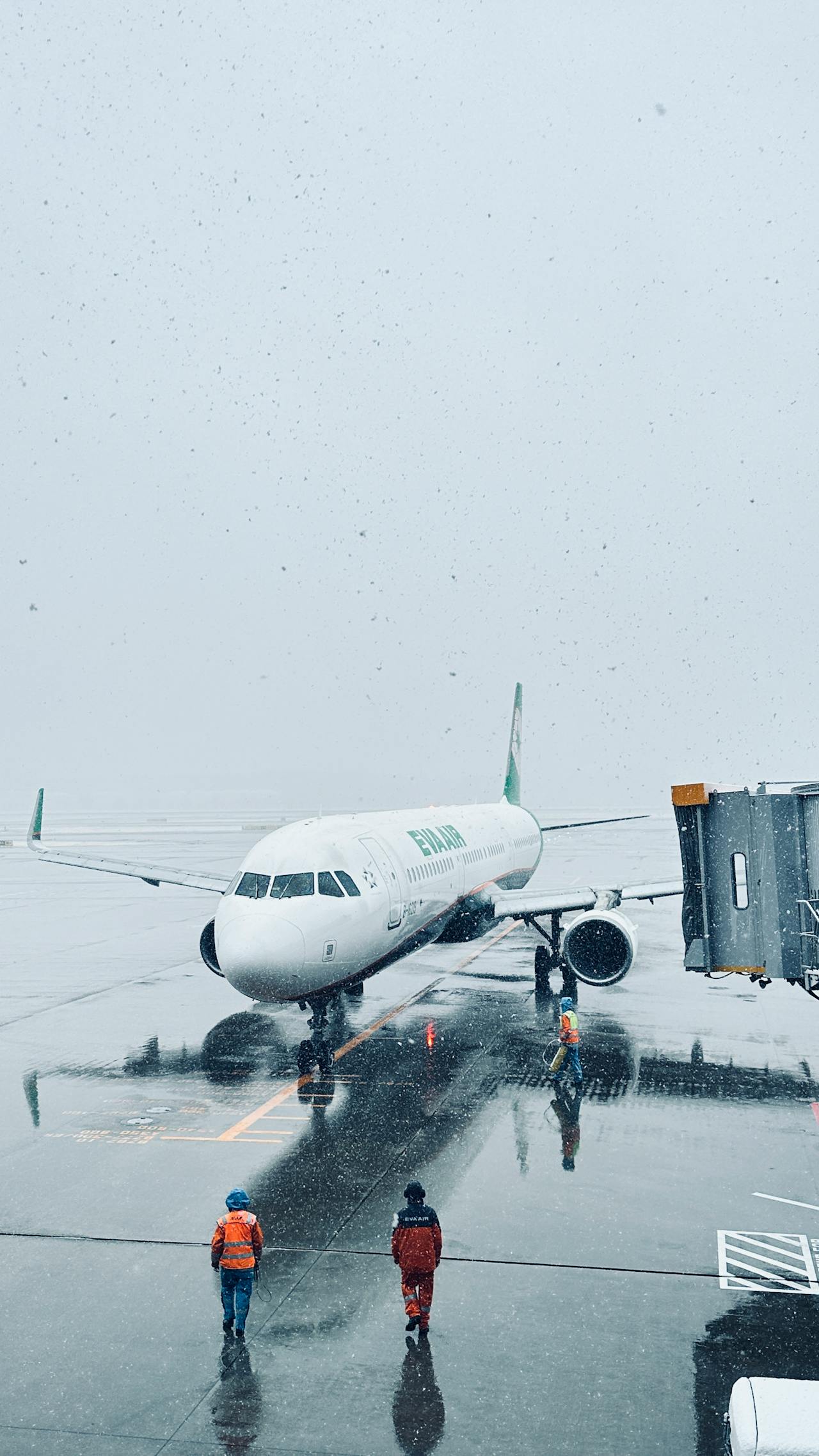
Flight delays don’t normally only leave you with lost time. Typically when you miss your scheduled flight time you’ll incur additional costs. Food at airports is expensive. Additional transportation will probably need to be arranged. If you miss your check-in time you could be penalized for staying in hotels. If the delay affects a connecting flight, the total cost could exceed the original price of your flight.
First Costs Are Usually Incurred Before Boarding
Many of the costs associated with a flight delay occur at the airport, not after you arrive at your destination. As soon as a flight is delayed significantly (typically a few hours), travelers will suddenly find themselves purchasing items they would never normally purchase while traveling. Travelers will find themselves needing to buy food, drinks, charge their phones, use the internet, and buy basic personal hygiene products if the delay extends past evening hours. Families will incur higher costs than individuals because family members will need food, entertainment, and other supplies for each family member.
In addition to these costs there is a timing element to consider. Delays often force travelers to spend money at the worst possible time of their travel experience. Travelers are unable to research alternative sources for the item they need to buy and therefore are not able to take advantage of lower prices. Airport vendors and transportation providers understand this dynamic and accordingly increase their prices to capitalize on the lack of options available to the traveler.
Once a flight delay is sufficiently lengthy, it is wise to determine whether your flight qualifies for delayed flight compensation under the applicable passenger rights laws. While this may not eliminate all costs, it will change how the disruption should be documented and evaluated.
Delays Become Structurally Expensive When They Cause Changes in Your Itinerary
The largest financial impacts of a flight delay often come from the fact that the delay causes subsequent changes in your itinerary. Missed connections can trigger a series of changes. You may need to replace train tickets. You may lose airport transfer arrangements. Your hotel check-in time may no longer be valid. Any pre-paid reservations including tours, events, car rentals, etc. may be partially or entirely non-refundable.
It is here that many travelers make costly decisions under duress. Some travelers book a new reservation too hastily without checking what the airline will cover. Other travelers delay too long and lose their options to re-book at competitive prices. The best decision to make depends upon the type of reservation you made.
If your trip was made in a single reservation, the airline generally has more liability to get the passenger to the final destination listed on the ticket. However, if each leg of your trip was booked separately, you may have less recourse. The airline responsible for the initial delay may have no obligation to assist with re-booking your subsequent flights. This distinction is important. Although two itineraries may appear identical on a booking website, the protections afforded by the airlines may differ greatly once something goes wrong.
Travel insurance may be beneficial in covering some of the out-of-pocket expenses incurred as a result of a flight delay; however, the terms of the policy are extremely important. Insurance companies require receipts, documentation of the duration of the delay, and evidence that the expense was both necessary and reasonable. Without documentation, the process of filing a claim becomes much more difficult.
Passenger Rights May Be Helpful, But They Are Not Unlimited
Travelers often underestimate the extent of coverage provided by passenger rights. Passenger rights can be helpful, but they are not a catch-all remedy for every loss related to a flight delay. Many countries’ passenger rights regulations limit compensation based on factors such as the length of the delay at arrival, the route of the flight, and the reason for the disruption. Additionally, some jurisdictions have specific rights for care and assistance during the waiting period, such as meals, refreshments, and in certain circumstances accommodations.
This distinction is important not only legally, but practically. A passenger may have a legitimate right to receive care, even if a separate compensation claim is denied. Conversely, passengers may focus solely on the headline compensation amount and fail to document their immediate expenses which may be eligible under another claim avenue.
Often, the cause of the delay is the most significant factor. Extreme weather conditions, air traffic control restrictions, and/or large-scale security incidents may render you ineligible for compensation. Conversely, operational disruptions caused by the airline itself will likely result in different treatment. You do not need to resolve the legal question of the cause of the delay at the airport, but you will need to retain documentation. Examples of documentation include your boarding pass, confirmation of your booking, notice of delay, screen shots of the departure board, and receipts for food, taxi’s, and overnight necessities.