
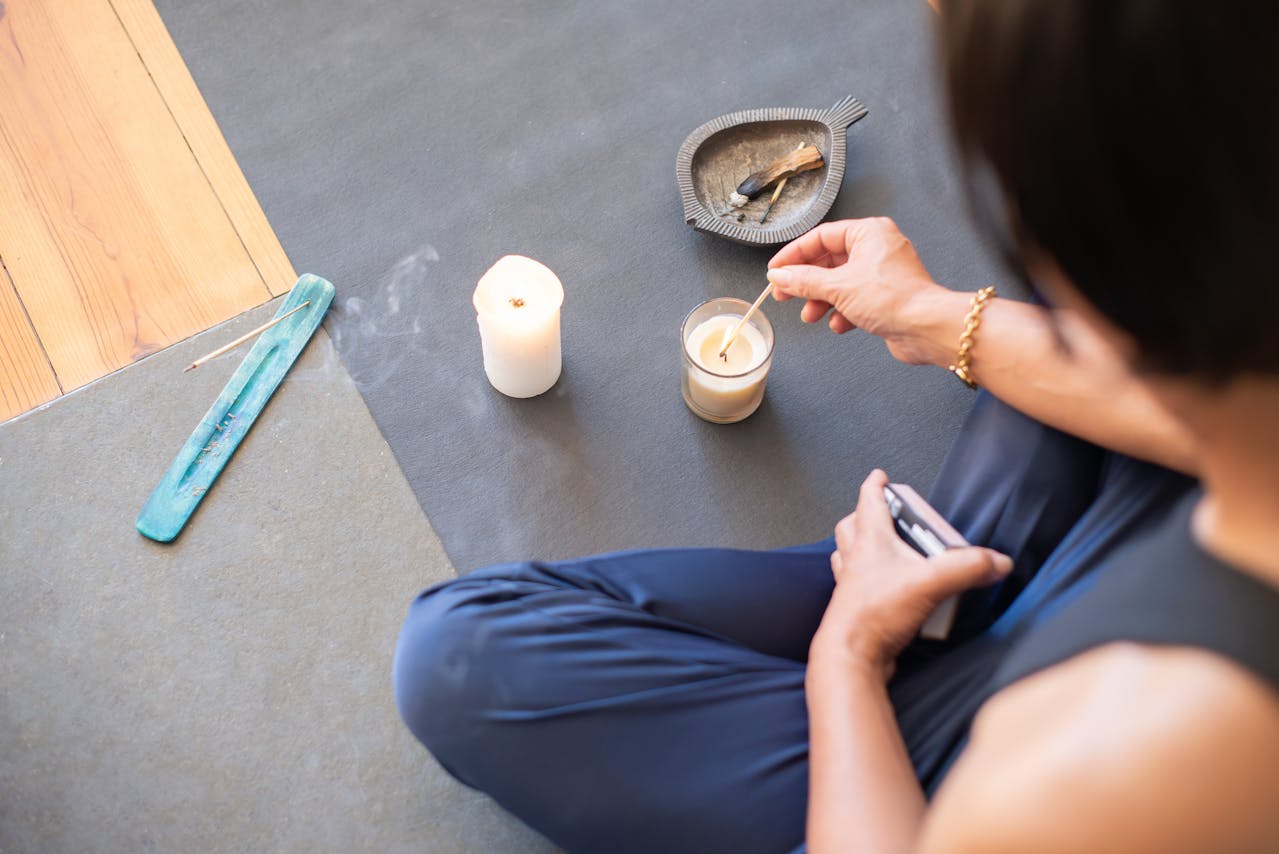
We live in an ever-changing world that pushes people to their limits, but there are small things and daily rituals that can give us a serotonin boost! Sometimes the smaller things in life can be missed or overlooked if they’re not bold or life-changing.
The question is, does well-being really consist of an accumulation of little bits of happiness? You’ll probably notice that it often seems to be in the background, however, our small daily rituals often accumulate into well-being.
1. Why Daily Rituals Are More Powerful Than Big Changes
When the new year starts, we often feel a boost of motivation and energy. That is when we decide on a two-hour daily gym plan, and it feels very realistic! This only works for a short while though, then we realize it’s too intense and definitely not sustainable.
Life has dips and ups and downs, as we all know. This is exactly the problem when we try to do things in first gear all the way, what truly helps is manageable consistency. Small rituals make it easier to show up all year round.
It is not overwhelming to stretch for 5 minutes or do some breathing techniques for a few minutes. You’ll start noticing that those small follow-through moments start adding up.
It’s not dramatic in any way, it’s grounded and steady, which means you will start trusting yourself to follow through. There’s also something reassuring about having a few fixed points in your day.
Life doesn’t always cooperate. Plans shift, things can get messy. But what always helps is something familiar, a ritual that acts like a reset button. It helps to remind us that some things can be controlled.
2. The Difference Between Habits and Rituals
People often lump habits and rituals together, but they don’t quite feel the same.
Habits as automatic actions:
We don’t have to think twice about habits. Locking our doors, putting on the kettle, or brushing our teeth normally comes naturally. These are the more neutral and useful things we do daily.
Rituals as intentional, mindful practices:
With rituals, it’s a bit different, it slows you down and gives you a moment to rethink, to contemplate. It’s all about the experience and has usually little to do with the task.
For example, having your first cup of coffee in the morning and perhaps meditating on what the day holds. It’s a different experience when you take the time to pause, to be in the moment, and not gulp your coffee down while scanning through emails. The awareness is what makes it restorative rather than ordinary.
3. Creating a Morning Ritual That Sets the Tone
When we start our day a certain way, it somehow sets the tone for the rest of the day. That is how it often works if you check your phone first thing in the morning, send messages, and do updates.
A small pause before all that can make a bigger difference than you could imagine. Nothing long or elaborate is needed. Even a couple of minutes of sitting quietly, before the noise kicks in, can help you feel more grounded.
If your mind tends to wander (which is completely normal), journaling can help ease you into the day. You might try asking:
What kind of energy do I want to bring to my work today? What is one small thing I can do to feel supported? What lingering stress from yesterday can I leave behind?
From there, setting an intention feels a bit more natural. It’s not about adding pressure, it’s more like choosing a direction. When we intentionally do something, it shapes how we show up, while a to-do list somehow simply tracks what has to be done. This small shift can sometimes carry you through the day.
4. Evening Rituals for Reset and Reflection
Evenings are about letting go of the day, and mornings are about starting the day’s process. With screens, notifications, and unfinished thoughts, it becomes hard to switch off at night and settle down.
An evening ritual doesn’t have to be complicated to help with that. Small shifts, dimming the lights, putting your phone out of reach, and slowing down your usual routine can signal that the day is winding down.
Letting go of the day is often the hardest part. A great way to end the day is also to wash it off in the shower.
Some, however, prefer journaling to get things out of their system and to show thankfulness. The choice is yours.
5. The Role of Personal Meaning in Rituals
The point is that each person has different rituals that work for them. Someone else’s routine might look perfect, but it might not work for everyone. Often, it’s the small, personal details that make something stick.
For some people, that might be the feel of a familiar object. Wearing birthstone jewelry, for example, can become a quiet anchor throughout the day, a small reminder of who you are or what matters to you.
In a similar way, choosing Mother’s Day jewelry each morning can take on its own meaning. It’s not just about the item itself, but what it represents: family, memory, and connection.
6. Avoiding Perfection in Wellness Routines
One thing that tends to derail even the best intentions is trying to do everything perfectly. Rituals aren’t meant to be rigid.If anything, they work better when they’re flexible. Some days will feel smooth and intentional while others might not. On those messier days, it helps to scale things down instead of skipping them entirely.
A full routine might not be possible, but a single deep breath still counts. So does a brief pause. It’s also worth remembering that your needs won’t stay the same forever. What worked a few years ago might not fit your life now, and that’s not a failure. It’s just part of change. Checking in with yourself now and then helps keep things aligned. If something starts to feel heavy or forced, it’s probably time to adjust it.
7. Conclusion
For rituals to be meaningful, they don’t need to be perfect or complicated. They just need to feel real and manageable. When you shift your focus away from big, dramatic changes and toward smaller, repeatable moments, something steadier starts to form.
A rhythm. A sense of support that doesn’t rely on motivation alone. It might be in how you make your tea, the jewelry you reach for in the morning, or the way you pause before bed. None of these moments look particularly impressive on their own. But together, they shape how your days feel.