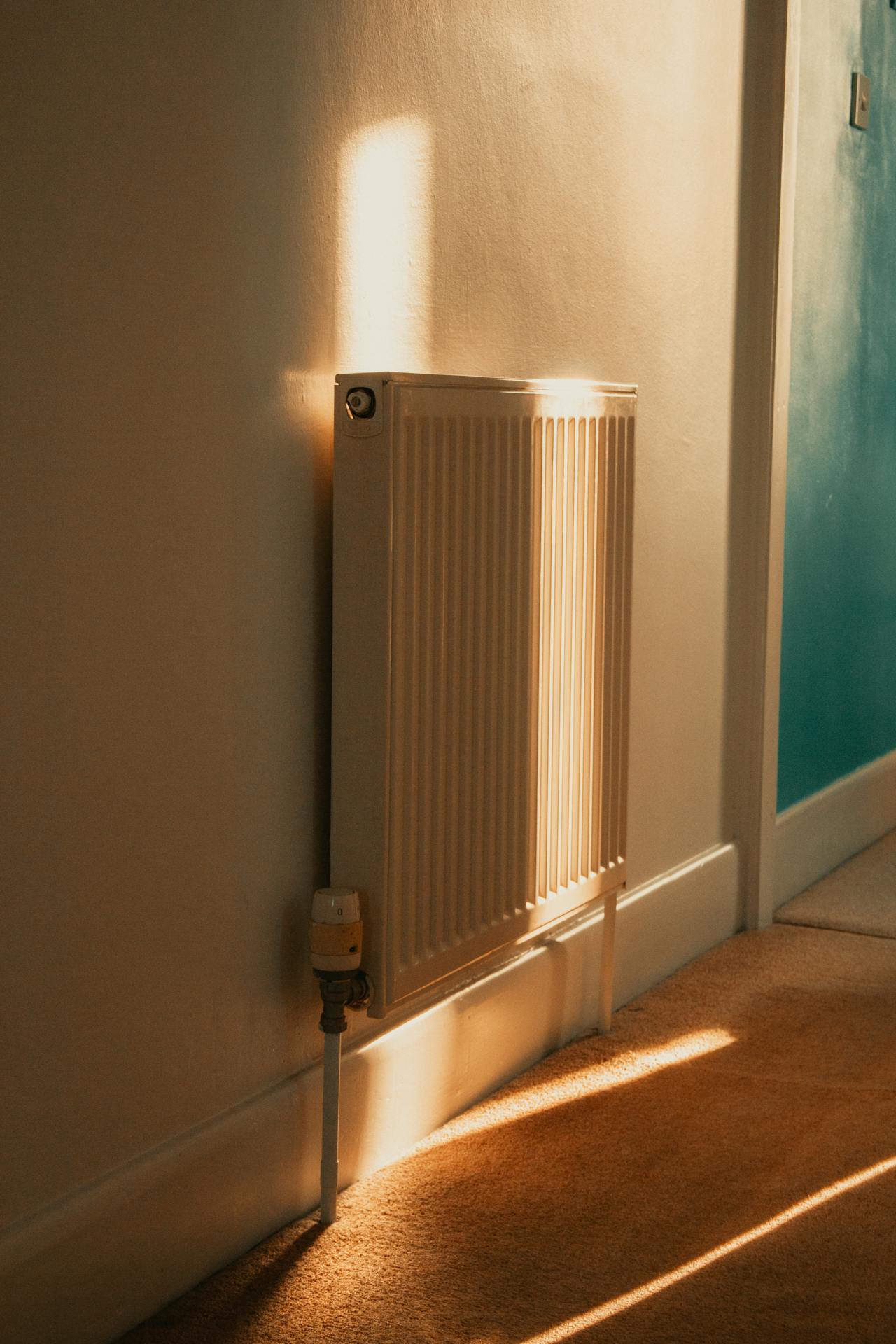
Your home heating system plays a crucial role in maintaining comfort, especially during colder months. However, like any essential system, it doesn’t last forever. Over time, performance can decline, efficiency can drop, and running costs can increase. Recognising the signs that it’s time for an upgrade can help you avoid unexpected breakdowns and ensure your home stays warm and energy-efficient.
Working with trusted providers such as Lloyd’s Gas and Renewables can help homeowners explore modern, energy-efficient heating solutions tailored to their needs.
Rising Energy Bills
One of the clearest signs that your heating system may need replacing is a noticeable increase in energy bills. Older systems tend to lose efficiency over time, requiring more energy to produce the same level of heat.
If your usage habits haven’t changed but your bills continue to rise, it could indicate that your system is no longer operating efficiently and may benefit from an upgrade.
Frequent Repairs and Breakdowns
If you find yourself regularly calling for repairs, it may be more cost-effective to replace your system altogether. Frequent breakdowns not only disrupt your comfort but also add up in repair costs over time.
An outdated system is more likely to develop recurring issues, making it less reliable when you need it most.
Uneven Heating Throughout the Home
Do some rooms in your home feel warmer than others? Uneven heating is a common sign that your system is struggling to distribute heat effectively.
This could be due to ageing components, poor efficiency, or outdated technology. Upgrading to a modern system can provide consistent and balanced heating across all areas of your home.
Strange Noises or Odours
Unusual noises such as banging, rattling, or whistling can indicate internal problems within your heating system. Similarly, strange odours may signal issues such as burning components or poor ventilation.
These warning signs should not be ignored, as they can lead to more serious problems if left unresolved.
Your System Is Over 10–15 Years Old
Most heating systems have a lifespan of around 10 to 15 years. If your system is approaching or exceeding this age, it may no longer be as efficient or reliable as newer models.
Modern heating systems, including underfloor heating, are designed with improved technology that offers better performance, reduced energy consumption, and enhanced durability.
Difficulty Maintaining Comfortable Temperatures
If your heating system struggles to maintain a consistent temperature, it may be a sign that it’s no longer functioning properly. This can result in a home that feels too cold in winter or takes too long to warm up.
Upgrading your system ensures better temperature control and a more comfortable living environment.
Considering a New Installation
When it’s time to upgrade, getting a New boiler quote is an important step in planning your investment. It allows you to understand the costs involved and compare options that suit your home and budget.
A new boiler or heating system can significantly improve efficiency, reduce energy bills, and provide reliable performance for years to come.
Benefits of Upgrading Your Heating System
Upgrading your heating system offers several long-term advantages:
• Improved energy efficiency and lower bills
• Enhanced comfort and consistent heating
• Reduced maintenance and repair costs
• Increased property value
• Better environmental performance
Modern systems are designed to meet current energy standards, making them a smart and sustainable choice for homeowners.
Conclusion
Recognising the signs of an ageing or inefficient heating system is essential for maintaining a comfortable and cost-effective home. From rising energy bills to frequent repairs and uneven heating, these indicators should not be ignored.
By working with experts like Lloyd’s Gas and Renewables and exploring options through a New boiler quote, homeowners can make informed decisions about upgrading their systems. Investing in a modern heating solution ensures improved performance, long-term savings, and a more comfortable living environment.