
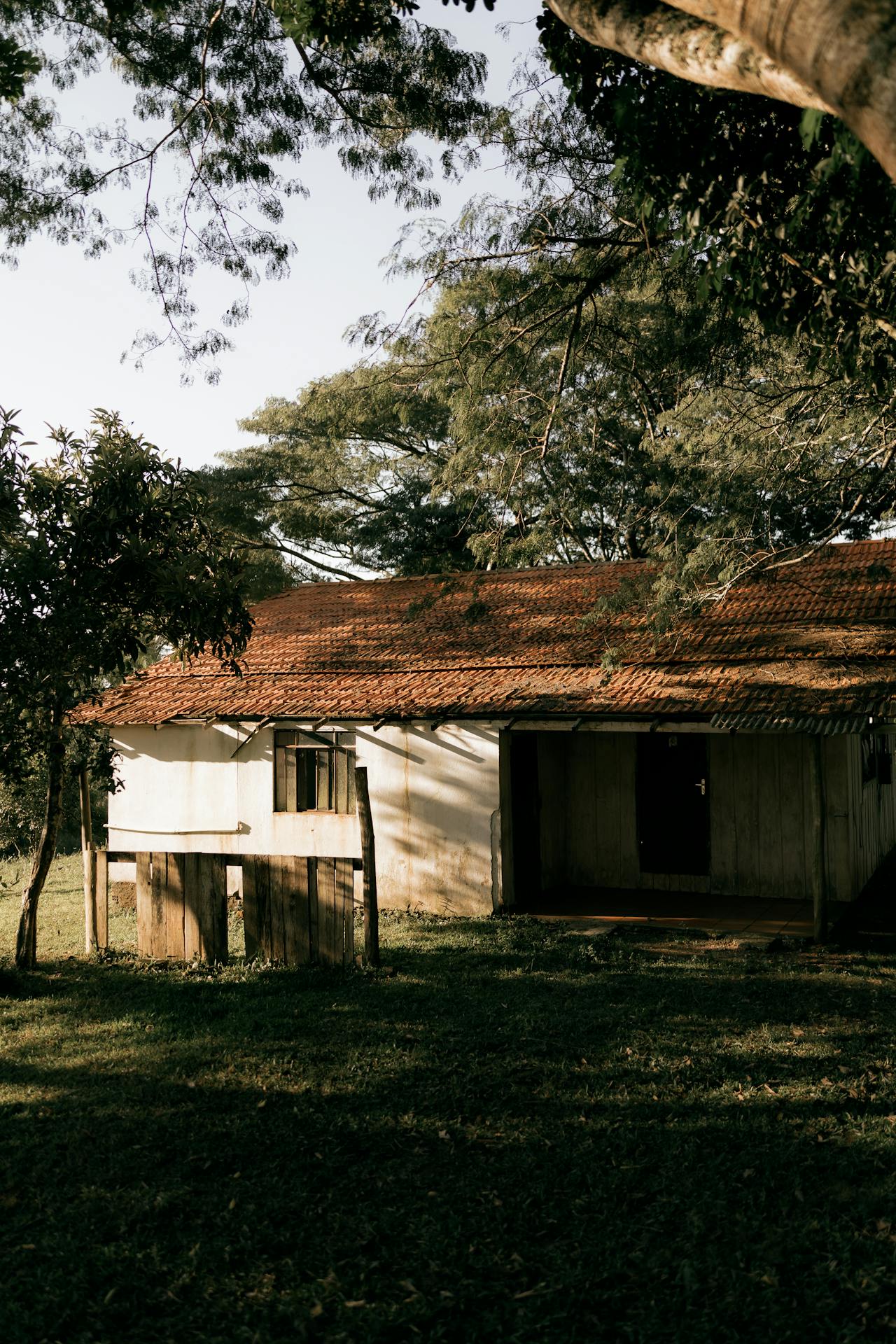
Living in the countryside and being a rural homeowner comes with plenty of rewards such as peaceful surroundings, more space, and a slower pace of life. But rural homes also require a different approach to maintenance and preparation compared to urban properties.
From heating systems to weather protection, here’s the ultimate checklist every rural homeowner should keep in mind throughout the year.
Check Your Heating System Before Winter
Many rural properties rely on heating oil, LPG, or alternative heating systems rather than mains gas. Before temperatures drop, make sure your heating system is ready for the colder months.
Key things to check include:
● Boiler servicing
● Oil tank condition
● Fuel levels
● Pipe insulation
● Thermostat settings
Running out of heating oil during winter can be inconvenient and expensive, especially in remote areas where deliveries may take longer during bad weather.
Heating oil tanks are one of the most important parts of your home heating setup, yet it’s often overlooked.
A quick inspection can help identify:
● Cracks or signs of wear
● Rust or corrosion
● Loose fittings
● Leaks
● Overgrown vegetation around the tank
Keeping the area around the tank clear and accessible also makes future maintenance and fuel deliveries much easier.
Rural homes are often more exposed to harsh weather conditions, including heavy rain, snow, strong winds, and freezing temperatures.
Make seasonal checks such as:
● Clearing gutters and drains
● Checking roof tiles
● Securing outdoor furniture
● Trimming nearby trees
● Protecting exposed pipes from frost
A little preparation can help prevent costly repairs later.
Power cuts and weather disruptions can happen more frequently in rural locations. Having a few essentials stored safely can make a huge difference.
Consider keeping:
● Torches and spare batteries
● Bottled water
● Blankets
● A battery-powered radio
● Backup heating options
● Essential medications
It’s also wise to keep important contact numbers easily accessible.
Maintain Driveways and Access Routes
Country lanes and private driveways can become difficult to access during winter or heavy rainfall.
Regularly check:
● Drainage around driveways
● Potholes and uneven surfaces
● Gravel or loose stones
● Outdoor lighting
Safe access is especially important for emergency services, visitors, and fuel deliveries.
Protect Your Home from Damp and Moisture
Older rural properties can be more vulnerable to damp issues due to age, weather exposure, and ventilation challenges.
Watch out for:
● Condensation
● Musty smells
● Mould patches
● Poor ventilation
● Blocked air vents
Improving airflow and addressing small issues early can help avoid larger structural problems.
Rural homes can sometimes feel isolated, making security an important consideration.
Simple improvements include:
● Motion-sensor lighting
● Secure gates and locks
● Smart cameras or alarms
● Visible house numbers
● Timers for indoor lighting
Good security provides peace of mind whether you’re home or away.
Plan Ahead for Seasonal Maintenance
Staying organised throughout the year can make rural homeownership far less stressful.
Create a simple seasonal checklist for:
● Boiler servicing
● Chimney cleaning
● Oil deliveries
● Garden maintenance
● Roof inspections
● Fence repairs
Regular upkeep helps protect your property and can save money in the long run.
Owning a home in the country can be an incredibly rewarding experience, but it’s not without responsibilities. Keeping on top of maintenance and heating can help to keep your property safe and efficient all year round.