There’s something quietly reassuring about an older home. The slight unevenness of a wall, the deep reveal of a window, the way afternoon light pools differently in rooms built long before open-plan living was ever a thing. These houses have stories, and most of us fall for them precisely because they feel lived-in and loved.
The challenge comes when you want all of that character and a home that works for modern family life. The good news is that you really don’t have to choose. With a little patience and a thoughtful eye, you can bring an older or period property up to date without stripping away the very things that made you fall for it in the first place.
Start by understanding what gives your home its character
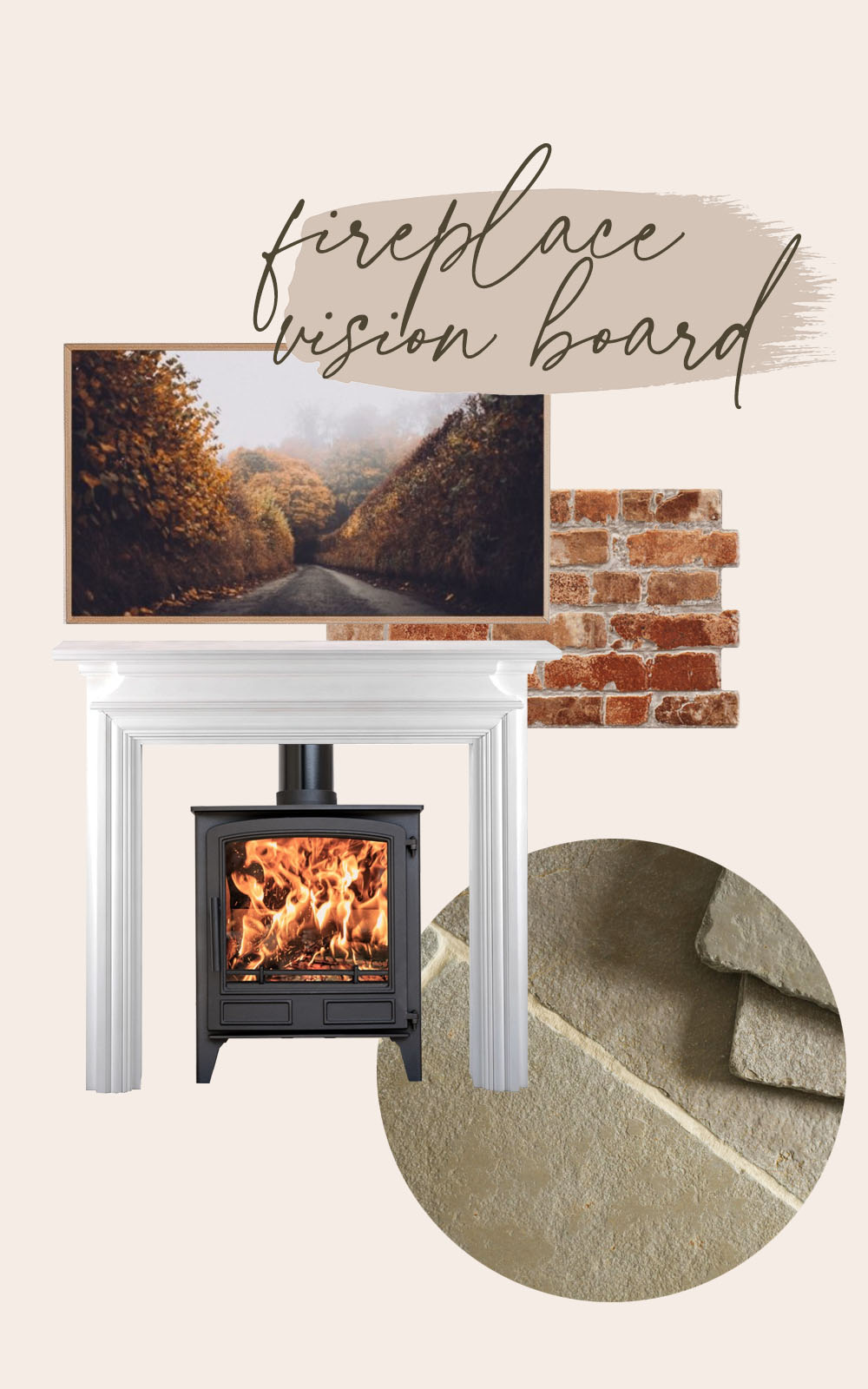
Before you pick up a paintbrush or browse a single mood board, spend time getting to know your house. Walk through each room and notice the details that feel original: the chunky skirting boards, a cast-iron fireplace, the ceiling cornicing, panelled doors, or the particular shape of a window. These are the features that give a period home its soul, and they’re far easier to keep than to recreate later.
Make a list of what’s worth protecting. Some original details might be hiding under layers of paint or behind a previous owner’s “improvements”. Restoring a fireplace, or stripping a tired door back to reveal lovely old timber, can do more for traditional character than anything you buy new.
Why windows set the tone
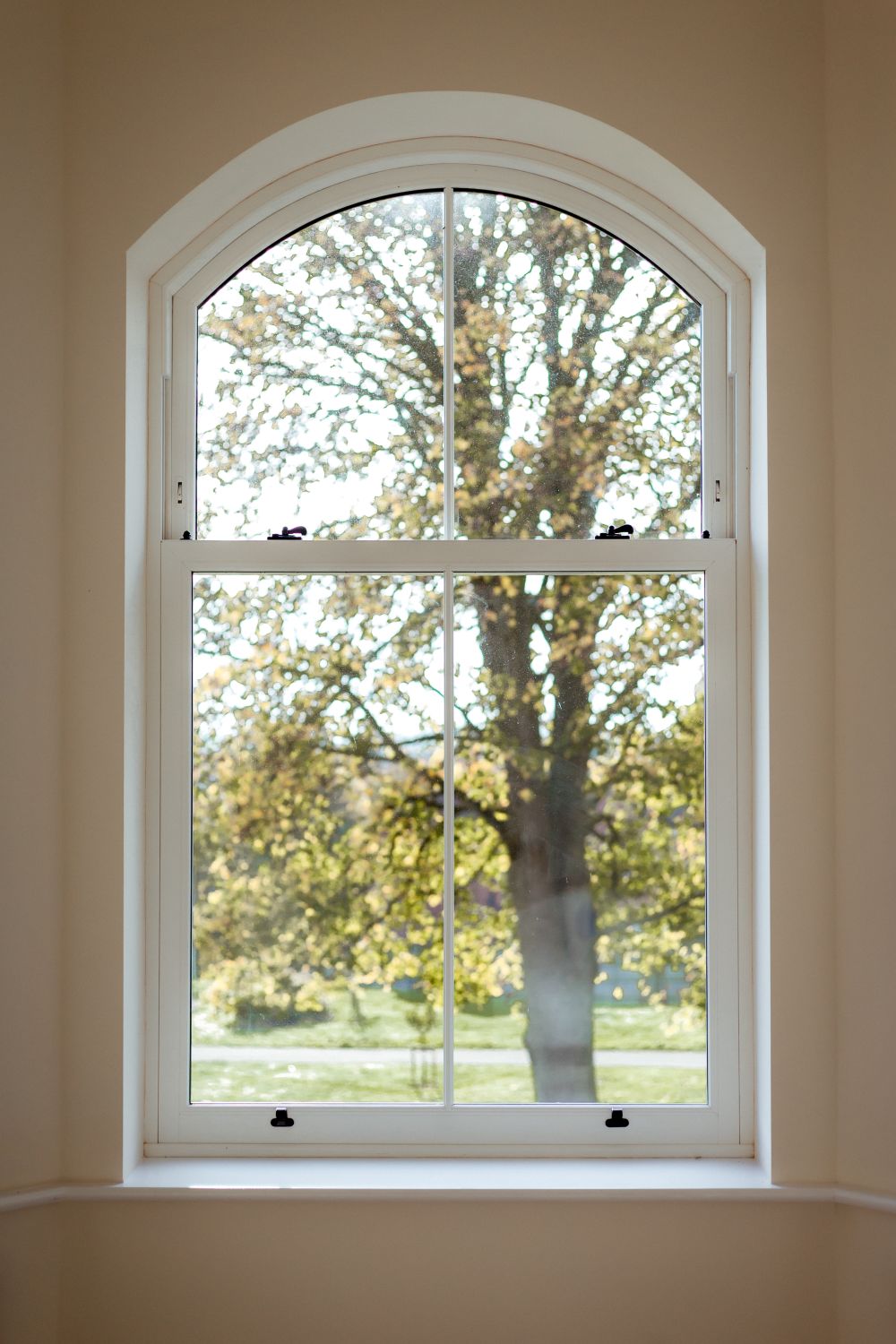
Few things influence the look of an older property as much as its windows. They shape the proportions of each room, frame the view, and, viewed from the street, define the entire personality of the house. Get them wrong and even the most carefully decorated home can lose its heritage style; get them right and everything else seems to fall into place.
If you’re lucky enough to have original timber sash windows, you may be inclined to repair rather than replace. It’s often not the best option, as aging timber windows require lots of upkeep from sanding to regular painting. If you do choose to replace timber with low maintenance uPVC, there are lots of sympathetic options that keep the look while improving day-to-day living. Specialists such as Quickslide, an experienced UK manufacturer of heritage-inspired sash windows, produce designs that echo the slim profiles and classic proportions of traditional sashes, allowing homeowners to retain period character while benefiting from modern comfort and efficiency. The trick is to prioritise authenticity of style: slim frames, the right glazing bars, and a finish that suits the age of the house.
Choosing sympathetic colours and materials
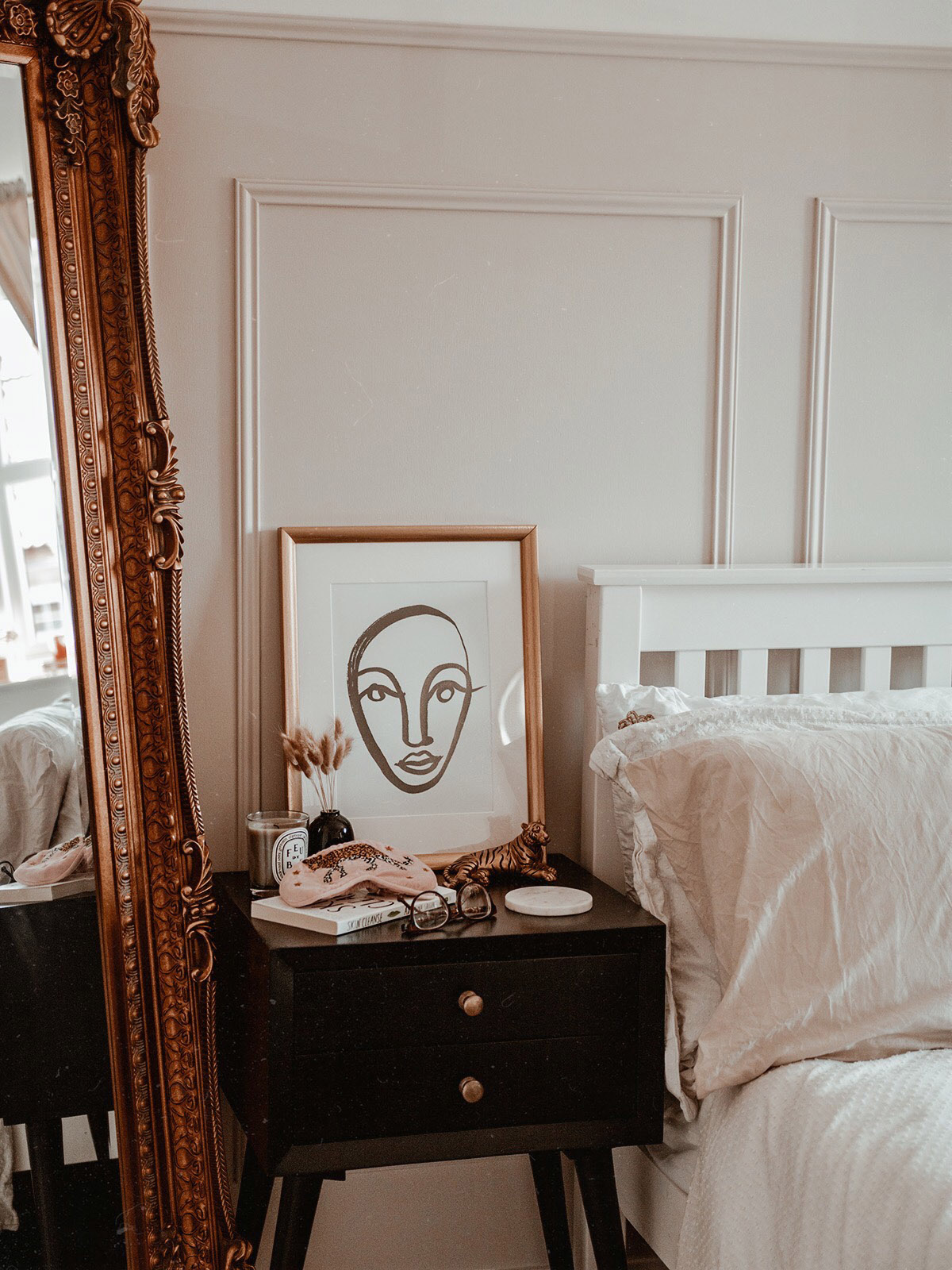
Older homes tend to look their best in colours that feel softened and slightly muted rather than bright and brand-new. Heritage-inspired palettes, including chalky whites, muted greens and warm earthy neutrals, settle beautifully against original features and aged materials.
Materials matter just as much. Natural finishes such as timber, stone, brass and linen age gracefully and complement traditional surroundings. The same thinking applies to hardware. Swapping plastic handles for aged brass or iron knobs, latches and hinges is a small change that quietly reinforces the home’s character.
Balancing modern comfort with traditional character
None of this means living in a museum. The most successful renovations blend old and new so gently that you barely notice the join. You can absolutely have a warm, draught-free home, underfloor heating and stylish heritage aesthetics. The art is in keeping those updates discreetso the period details stay centre stage.
Lighting is a lovely place to strike that balance. Layered lighting, a mix of lamps, wall lights and softer overhead fittings, flatters older rooms far more than a single bright bulb. Choose finishes that nod to the era and you’ll get all the convenience of modern lighting with none of the harshness.
Windows are another great way to balance contemporary traditional styles. Combine heritage features with low maintenance uPVC, or even opt for smart technology upgrades to really make the most of a modern replacement.
Don’t overlook the exterior
Kerb appeal is part of an older home’s charm too. The front door is a wonderful opportunity: a considered colour, original-style ironmongery and a polished knocker can make a real difference. Keep an eye on details like brickwork, render, tiling and garden walls, and resist the urge to over-modernise the façade. Planting that softens the boundary, a tidy path, and windows that suit the age of the property all add up to a home that looks cared for and true to itself.
Updating an older property is really about restraint as much as renovation. When you lead with respect for what’s already there and let your home improvements work with the building rather than against it, you end up with a space that feels both fresh and timeless. And that’s the kind of home that never really goes out of style.