
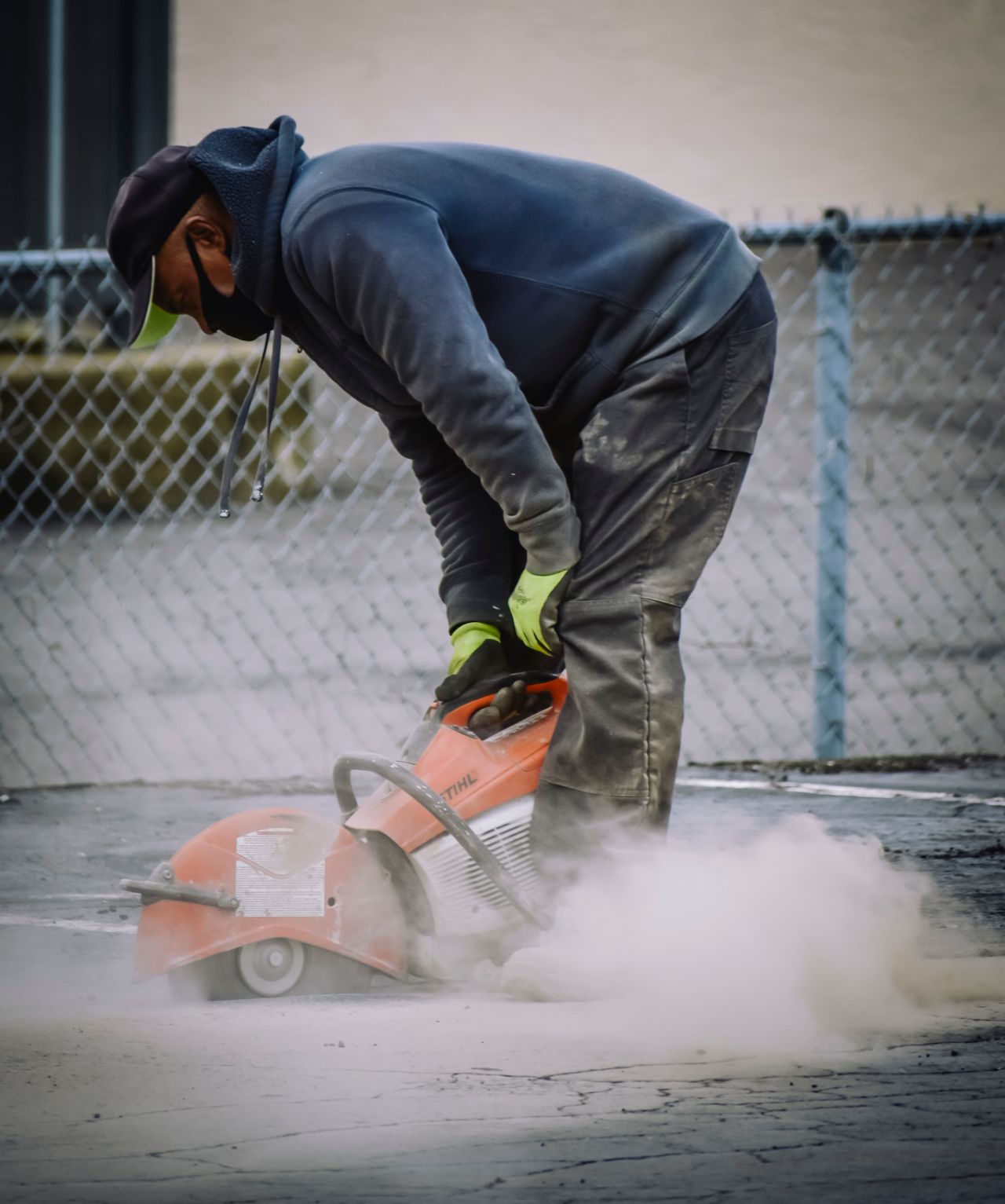
Concrete cutting becomes much easier when you use the right tool for the job. The best concrete saw helps create straight, clean cuts while reducing effort and improving control. Whether you work on driveways, sidewalks, pavers, or masonry blocks, choosing the right saw can save time and reduce material waste.
Many buyers now compare gas and electric models before making a decision. An electric concrete saw has become a popular option because it produces less noise, requires less maintenance, and works well for many indoor and outdoor projects. Recent buying guides also focus on cutting depth, blade size, dust control, wet versus dry cutting, safety, and ease of handling as the most important buying factors.
Why Choosing the Right Concrete Saw Matters
Concrete is one of the hardest building materials to cut. Using the wrong tool often creates rough edges, excessive dust, and unnecessary strain on the motor. A saw designed for concrete delivers smoother results and keeps the blade working efficiently.
The correct saw also improves safety. Stable handling, balanced weight, and proper cooling help reduce vibration during long cutting sessions. This allows users to maintain better control from start to finish.
Different Concrete Cutting Jobs Need Different Saws

Not every project requires the best concrete saw. The right choice depends on the type of work you perform. Small repair work may only need a handheld model, while larger construction jobs often benefit from heavier machines with greater cutting depth.
Think about the materials you cut most often. Concrete, brick, stone, and masonry blocks all place different demands on the blade and motor. Matching the tool to your workload usually produces better results.
What Makes an Electric Concrete Saw a Smart Choice
An electric concrete saw continues to gain popularity among homeowners and professionals alike. It starts quickly, operates with lower noise, and avoids fuel-related maintenance that comes with gas-powered equipment.
Another advantage is consistent power. As long as an electrical supply is available, users can continue working without refueling. This makes electric models practical for workshops, renovation projects, garages, and indoor construction where exhaust emissions are not ideal.
Features That Improve Cutting Performance
Several features have a direct impact on cutting quality and user comfort.
Look for these when comparing models:
- Powerful motor
- Diamond blade compatibility
- Adjustable cutting depth
- Wet and dry cutting support
- Comfortable grip
- Effective water delivery system
- Strong blade guard
- Easy blade replacement
These features help produce cleaner cuts while making daily operation more comfortable.
Wet Cutting and Dry Cutting Explained
Wet cutting uses water to cool the blade and reduce airborne dust. It also helps extend blade life during longer cutting sessions. Many professionals prefer this method for thicker concrete and continuous work.
Dry cutting works well for smaller jobs where water is not practical. Since more dust is created, users should wear proper protective equipment and allow the blade to cool between longer cuts. Most modern concrete saws support both methods for added flexibility.
Blade Size and Cutting Depth
Blade diameter affects the maximum cutting depth. Larger blades can handle thicker concrete, while smaller blades are easier to control during detailed work.
Choosing the right blade is equally important. Diamond blades are commonly used because they stay sharp longer and perform well on concrete, stone, brick, and similar materials. Matching the blade to the material improves both speed and finish quality.
Tips for Getting Cleaner Cuts Every Time
Good preparation often makes more difference than extra power. Mark the cutting line carefully before starting the saw.
Allow the blade to do the work instead of forcing it through the material. A slow and steady cutting speed usually creates smoother edges while reducing unnecessary wear on the blade and motor.
Simple Safety Practices Worth Following
Concrete cutting creates dust, noise, and flying debris. Wearing the proper protective equipment should always be part of the job.
Basic safety equipment includes:
- Safety glasses
- Hearing protection
- Dust mask or respirator
- Heavy work gloves
- Steel toe footwear
Also inspect the blade before every use. Replace damaged or worn blades immediately to maintain safe operation.
How to Keep Your Concrete Saw Working Longer
Regular maintenance helps protect both the saw and the blade. Remove dust after every project and check moving parts for signs of wear.
For an electric concrete saw, inspect the power cord and electrical connections regularly. Keep water systems clean if you frequently perform wet cutting. Proper storage also helps prevent unnecessary damage between jobs.
Mistakes Buyers Often Make
Many buyers focus only on motor power. While power matters, it should not be the only factor when choosing a saw.
Ignoring blade compatibility, cutting depth, weight, or dust control often leads to disappointment. A balanced combination of performance, comfort, and durability usually delivers better long-term value than choosing the biggest motor alone.
How to Choose the Best Concrete Saw for Your Projects
Think about the type of work you perform most often. Occasional home projects usually require different features than daily construction work.
If portability, lower maintenance, and quieter operation are priorities, an electric model can be an excellent option. For buyers comparing several models, focus on cutting capacity, build quality, blade compatibility, safety features, and overall ease of use instead of looking at a single specification. These buying factors appear consistently across leading industry guides because they have the greatest impact on real-world performance.
Conclusion
Finding the best concrete saw starts with understanding your project requirements. The right combination of motor power, blade size, cutting depth, and safety features leads to smoother cuts and more reliable performance.
An electric concrete saw offers an excellent balance of convenience, clean operation, and consistent cutting for many applications. By comparing features carefully and following proper maintenance practices, you can choose equipment that supports accurate cutting across many different masonry projects.
FAQs
What is the best concrete saw for home projects?
A compact model with enough cutting depth, good dust control, and diamond blade compatibility works well for most home projects.
Can an electric concrete saw cut reinforced concrete?
Yes, if it uses the correct diamond blade and has sufficient power for the material.
Should I choose wet cutting or dry cutting?
Wet cutting reduces dust and cools the blade, while dry cutting works well for smaller or quick jobs.
How often should a concrete saw blade be replaced?
Replace the blade when cutting becomes slower, the edge wears down, or visible damage appears.
What materials can a concrete saw cut?
Most concrete saws can cut concrete, brick, stone, pavers, masonry blocks, and similar construction materials when paired with the proper blade.