Some materials come in and out of fashion. Brass isn’t one of them.
It has a rare quality in interior design: it can feel steeped in history and completely current at the same time. You’ll find it on Georgian front doors, Victorian cabinetry, Art Deco lighting, and minimalist kitchens that were finished last month. That kind of range is unusual, especially in a market where finishes tend to get categorised quickly as either “traditional” or “modern.”
So why does brass cross that divide so easily?
Part of the answer is visual. Brass has warmth, depth, and a softness that sits comfortably against natural materials such as timber, stone, linen, and limewash. But it’s also practical. It ages well, performs well, and adapts to different design languages without losing character. In an older home, it can reinforce a sense of continuity. In a newer one, it can stop clean-lined spaces from feeling sterile.
Brass Has History, But It Doesn’t Feel Stuck There
Brass carries cultural memory. Many of us associate it with period homes because it has long been used for latches, hinges, knockers, rails, and cabinetry. In heritage settings, that matters. Original features often have a visual weight to them, and introducing a finish with no historical connection can make a room feel disjointed, even if you can’t immediately explain why.
That doesn’t mean brass only works when everything else is traditional. Quite the opposite. Its historical associations are precisely what give it value in contemporary spaces. When a modern room includes one or two materials with a sense of permanence, it tends to feel more grounded and less trend-led.
The difference is in the detailing
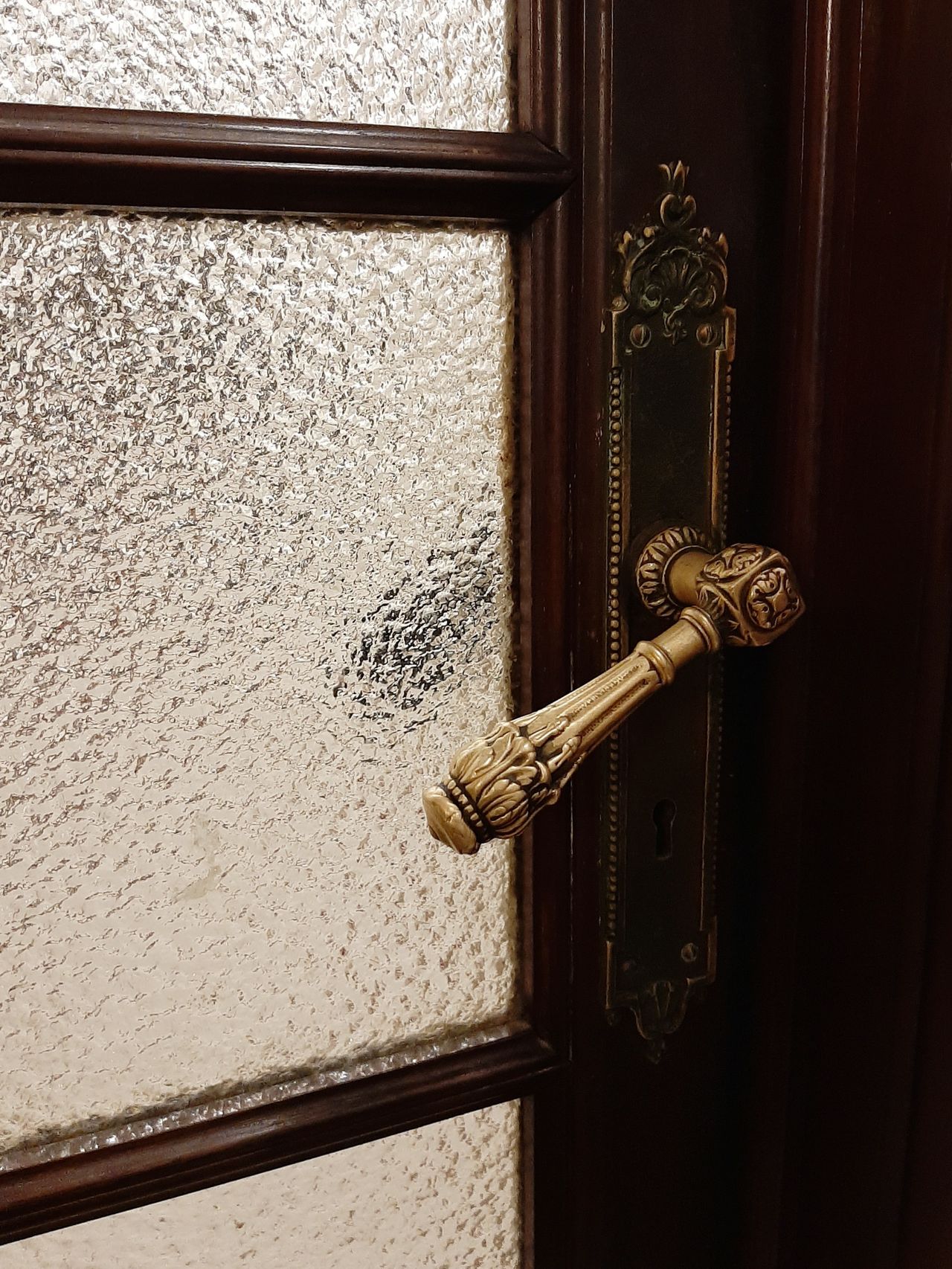
A heavily ornamented brass backplate naturally suits a period property. A pared-back cylindrical lever in brushed brass reads very differently. Same base material, different expression. That flexibility is one of brass’s greatest strengths.
Designers often talk about “tension” in a space — the balance between old and new, smooth and textured, refined and rustic. Brass handles that balance exceptionally well because it can be shaped to support either side. A polished finish can feel formal and decorative. A satin or aged finish can feel architectural, restrained, and modern.
It Adds Warmth Without Competing for Attention
Contemporary interiors often lean on crisp geometry, neutral palettes, and open sightlines. Those choices can be elegant, but they can also create spaces that feel a touch impersonal. Brass helps by introducing warmth in a controlled way.
Unlike black iron, which creates contrast, or chrome, which can sharpen a scheme, brass tends to soften. It catches light rather than reflecting it harshly. It adds definition without demanding the whole room pivot around it.
That’s especially useful in high-touch areas where hardware is seen and used every day. Door levers, cupboard pulls, and window fittings may be small elements individually, but together they create a visual rhythm throughout the home. When chosen carefully, they act almost like punctuation marks: subtle, repeated, and surprisingly influential. If you’re comparing finishes for these details, looking at examples of designer metallic interior handle systems can help clarify how brass moves across styles, from more classic profiles to cleaner contemporary forms.
Brass works with more palettes than people expect
One reason brass remains relevant is that it isn’t tied to a narrow colour story. It sits well with:
- deep heritage tones like oxblood, forest green, navy, and charcoal
- pale modern schemes built around plaster, off-white, greige, and oak
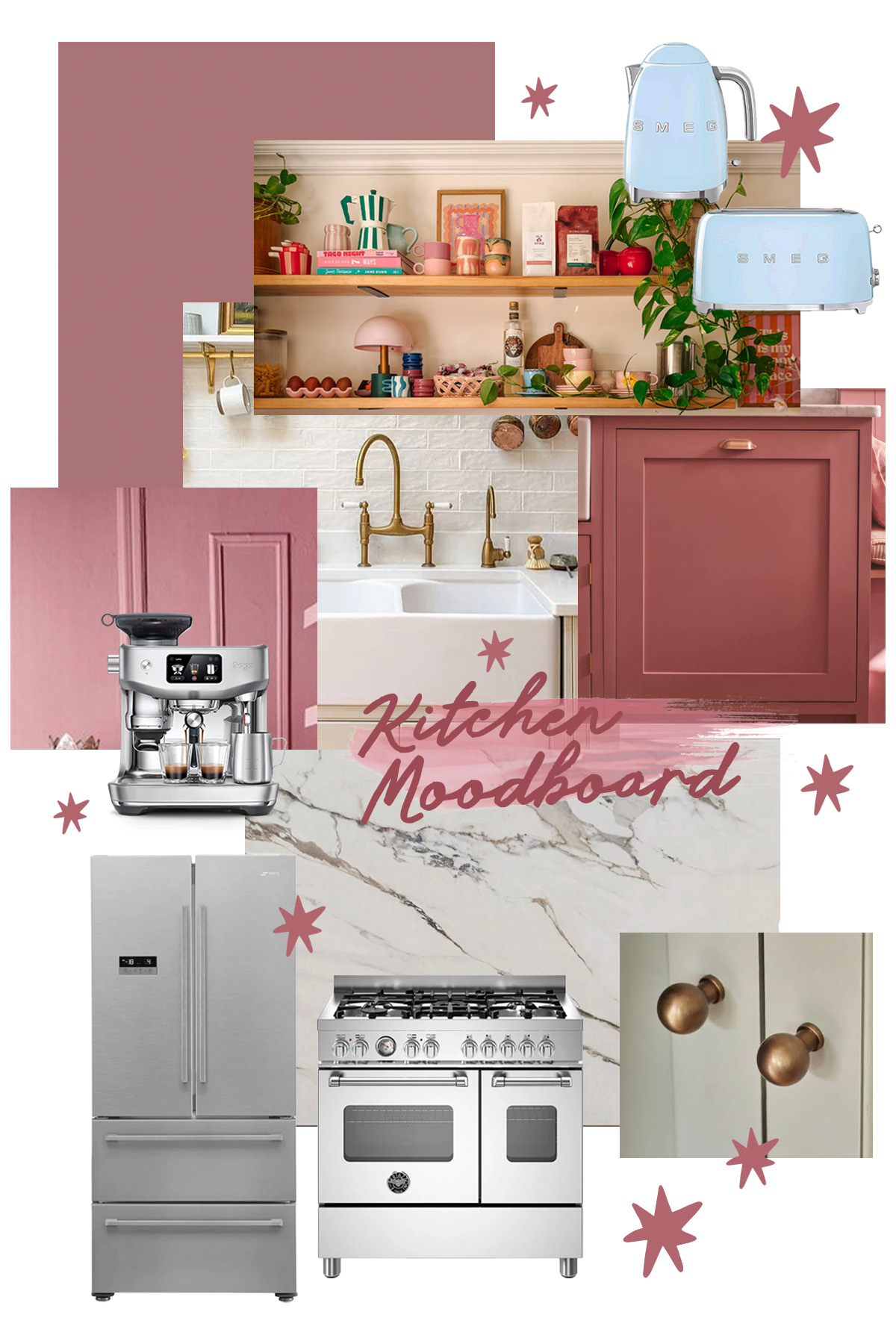
- tactile natural finishes such as marble, unlacquered wood, and handmade tile
In each case, it brings a slightly different mood. Against dark paint, it feels rich and established. Against lighter backgrounds, it feels fresh and sculptural.
Patina Is an Asset, Not a Flaw
One of the biggest differences between brass and more clinical-looking finishes is that brass ages visibly — and often beautifully.
In heritage homes, that evolution is part of the appeal. A gently worn sheen on a door handle or stair fitting makes sense in a property with age. It feels authentic rather than manufactured. But even in contemporary homes, the same quality can be welcome. As modern interiors become more lived in, brass tends to improve rather than deteriorate aesthetically.
That matters at a time when many homeowners are moving away from disposable design decisions. Materials that gain character over time are increasingly valued because they support interiors that feel personal, not frozen on installation day.
Not all brass ages in the same way
Finish choice affects the outcome. Polished brass offers brightness and formality, especially if maintained. Brushed or satin brass is more muted and often easier to integrate into modern schemes. Unlacquered brass develops the most obvious patina, which some homeowners love and others prefer to avoid. There’s no universally “right” option; it depends on whether you want consistency or evolution.
It Bridges Architecture and Interiors
The best material choices usually do more than look good in isolation. They connect a home’s architecture to its interior design.
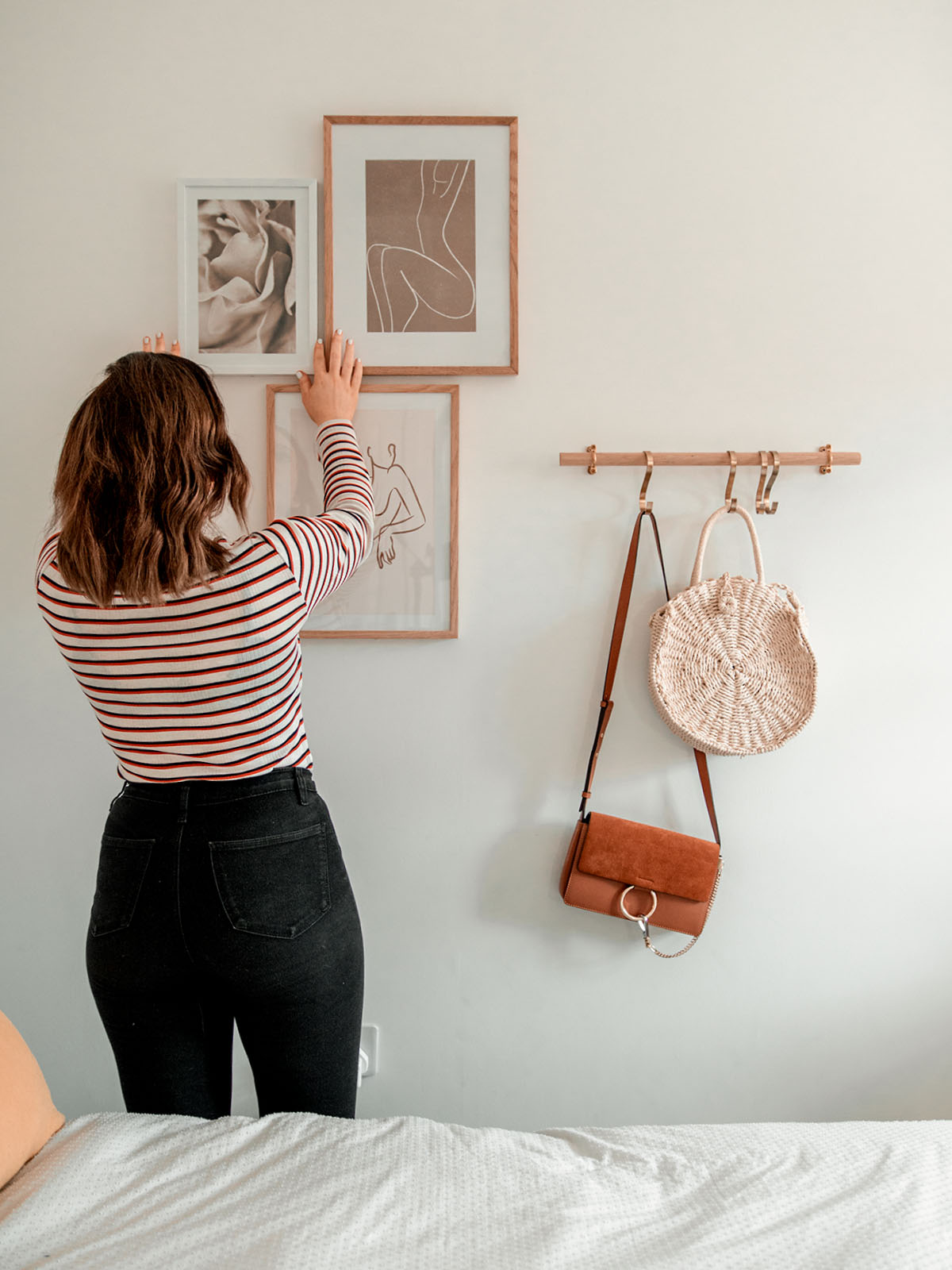
Brass does this particularly well because it can appear at multiple scales. At the architectural level, it works on door furniture, stair details, and built-in joinery. At the decorative level, it appears in lighting, mirrors, shelving brackets, taps, and accessories. Repeating the material in a measured way creates continuity without making a scheme feel overly coordinated.
In a listed townhouse, that might mean restoring original brass hardware and echoing it in new kitchen fittings. In a contemporary extension, it could mean using restrained brass handles to introduce warmth that relates back to older parts of the property. The common thread is cohesion.
How to Use Brass Without Overdoing It
Brass is versatile, but it still benefits from discipline. The goal isn’t to scatter it everywhere. It’s to use it where touch, sightline, and material contrast matter most.
Start with the elements people interact with
Door hardware, cabinet pulls, and switches tend to deliver more impact than purely decorative accents because they’re integrated into everyday experience. If those elements are well considered, the room often feels more resolved.
Match the finish to the house, not the trend
A bright, highly polished brass may be perfect in a formal hallway and wrong in a pared-back utility room. Equally, an aged finish can look convincing in a cottage kitchen but muddy in a sleek apartment if the rest of the palette is too cool or sharp. Context matters more than fashion.
Let brass support, not dominate
The most successful schemes usually treat brass as a thread rather than a headline. It should converse with timber, paint, textiles, and stone — not shout over them.
Why Brass Endures
Brass works in both heritage and contemporary homes because it resolves a challenge that many materials can’t: it offers character without rigidity. It can honour period architecture without becoming pastiche. It can sharpen a modern space without making it cold.
That balance is hard to achieve, which is why brass continues to earn its place. It isn’t simply a nostalgic finish, nor is it a trend-driven one. It’s a material with enough substance to age, adapt, and remain relevant — exactly what good homes, old or new, tend to need.