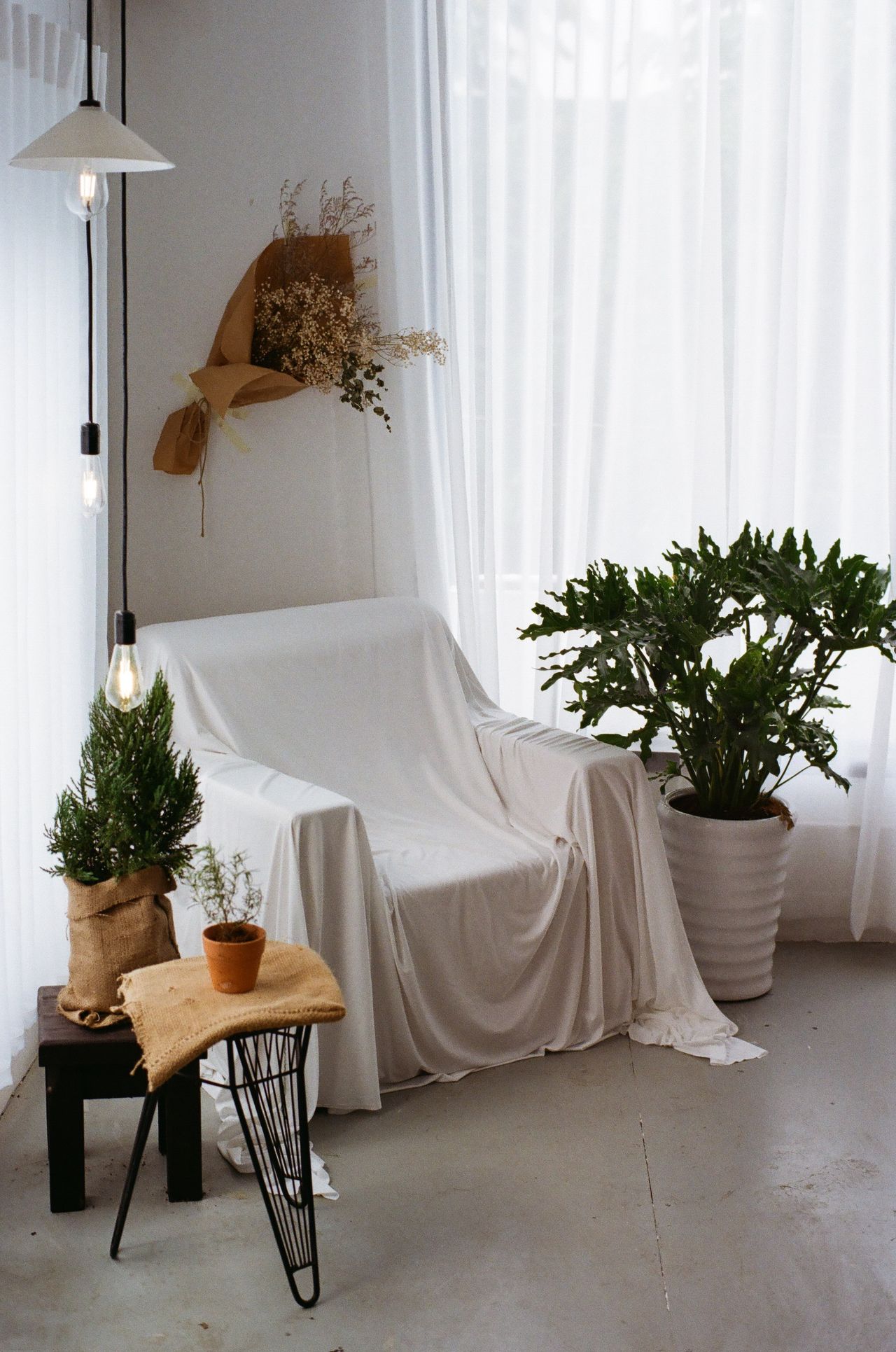
Creating a relaxing and comfortable home environment is essential for well-being and everyday enjoyment. The design choices within a house significantly impact the mood and functionality of the space. By adopting simple interior design ideas, homeowners can transform their living areas into tranquil retreats that offer both comfort and style. This article explores practical design concepts with an emphasis on comfort and relaxation, referencing offerings from dining table selections available at Relax House.
The Importance of Comfort in Interior Design
A comfortable home provides a sanctuary from the stresses of daily life. Interior design is not solely about aesthetics; it also concerns creating spaces that promote ease of use and a sense of calm. Furniture, lighting, colour schemes and layout all contribute to how comfortable and inviting a room feels. Prioritising comfort encourages a welcoming atmosphere for residents and guests alike.
Choosing the Right Furniture for Relaxation
Selecting appropriate furniture is a cornerstone of creating a relaxing home. Pieces should be designed for comfort and suit the room’s dimensions and purpose. For example, a well-chosen dining table can serve not only as a functional element but also as a centrepiece that encourages social interaction and relaxation during meals. Combining style with ergonomic consideration ensures furniture supports relaxation while enhancing the overall design.
Incorporating Soothing Colours and Textures
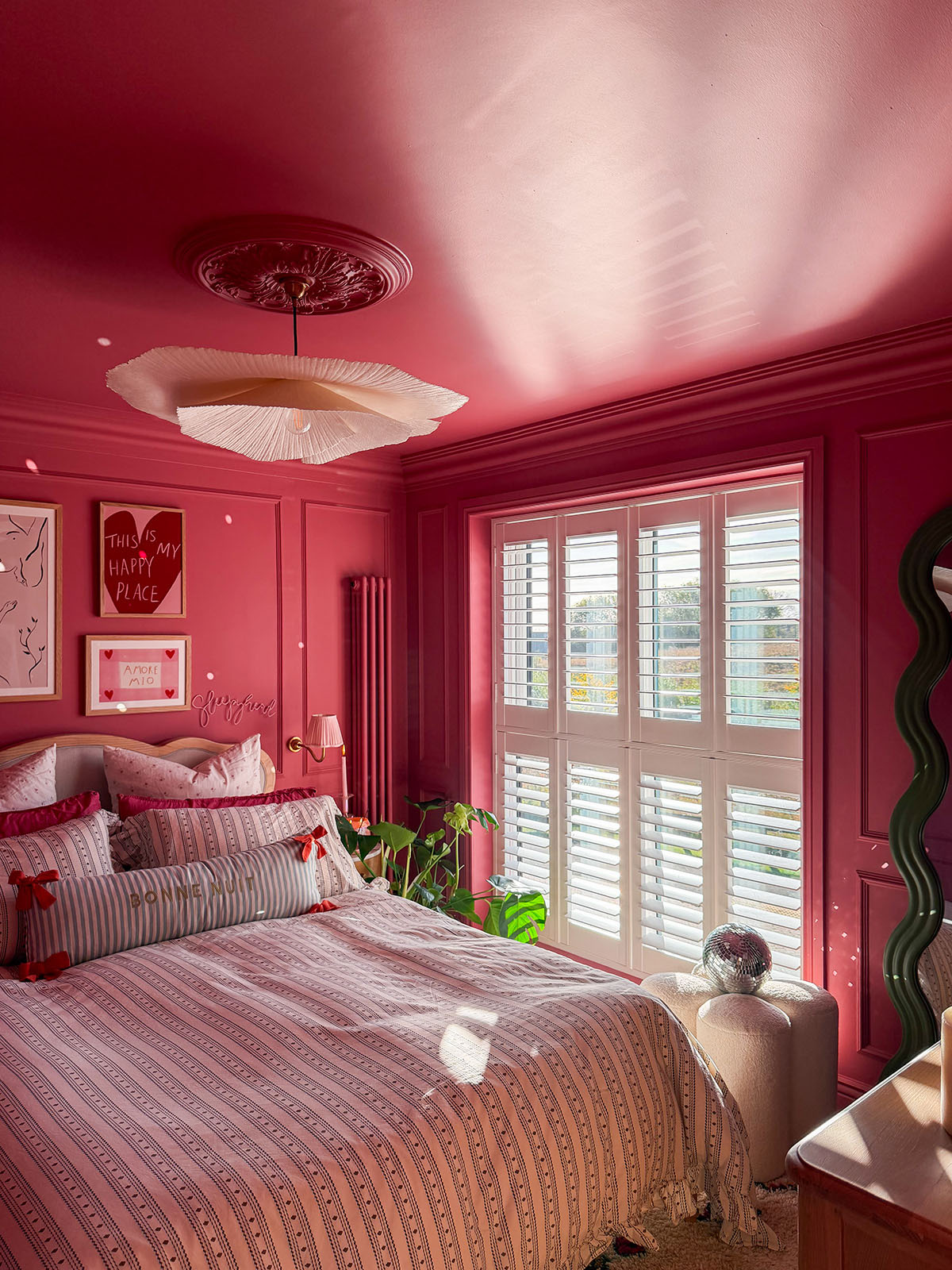
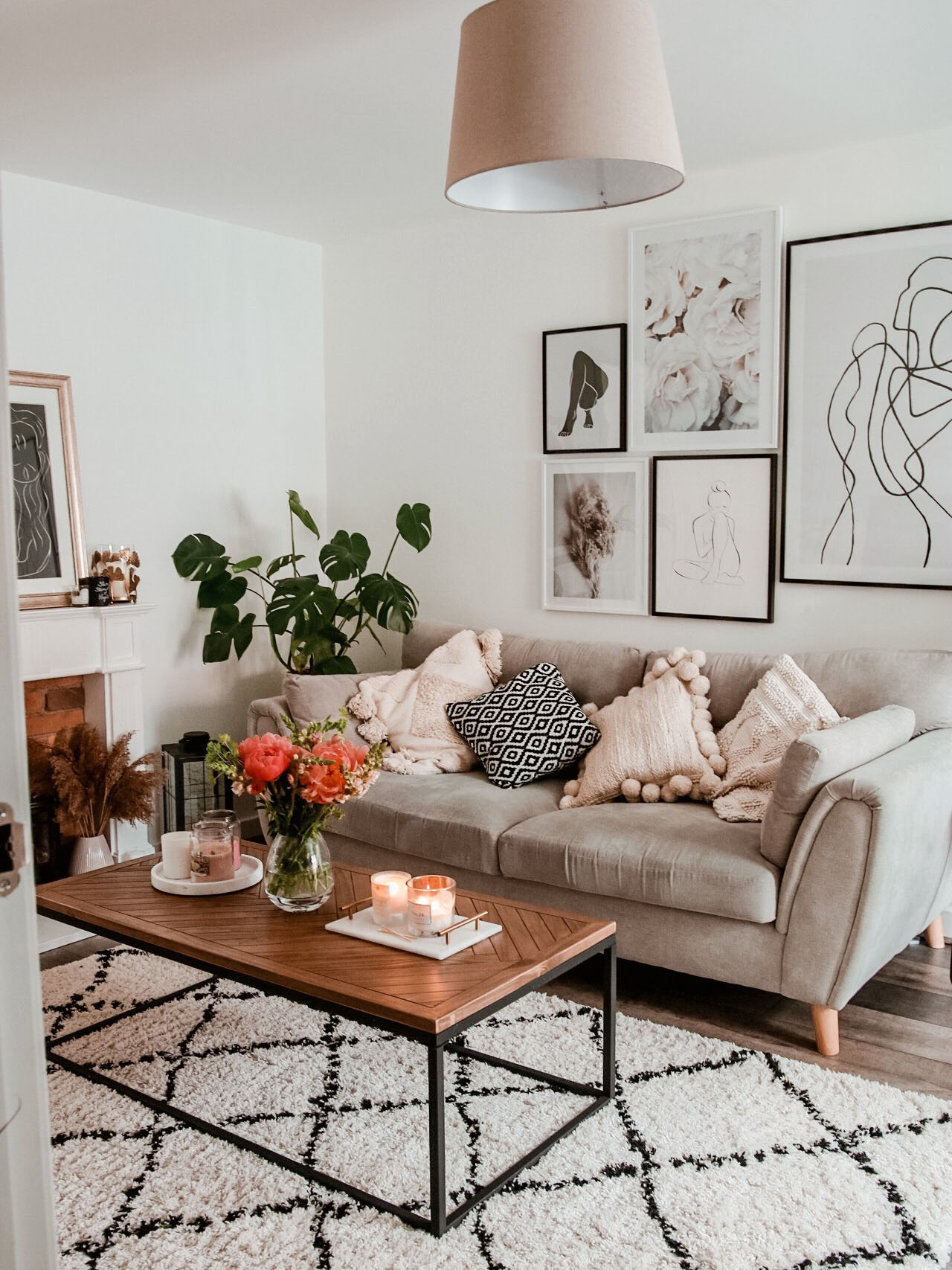
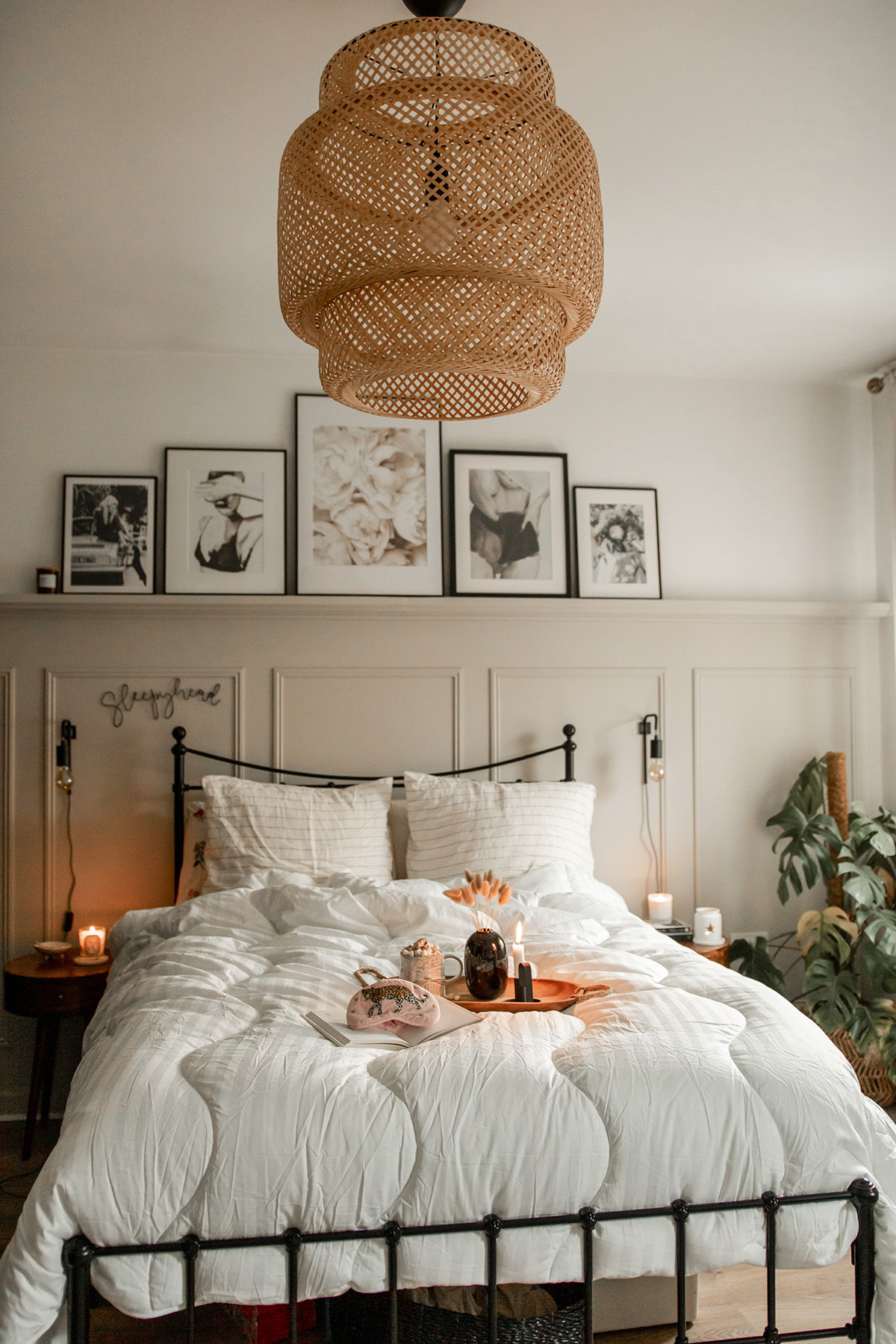
Colours have a profound influence on mood and perception of space. Soft, neutral tones or pastels tend to create a peaceful ambience, fostering relaxation. Additionally, the use of varied textures adds depth and tactile interest to an interior, enhancing its cosy appeal. Natural materials such as linen, cotton, wool and wood contribute to a warm and inviting atmosphere.
Maximising Natural Light
Natural light has a positive effect on mental well-being and transforms the appearance of interiors. Maximising sunlight through window placement and light, airy window treatments helps create an open and relaxing environment. When natural light is insufficient, layered artificial lighting that can be adjusted for different moods is recommended. This includes ambient, task and accent lighting.
Maintaining Clutter-Free Spaces
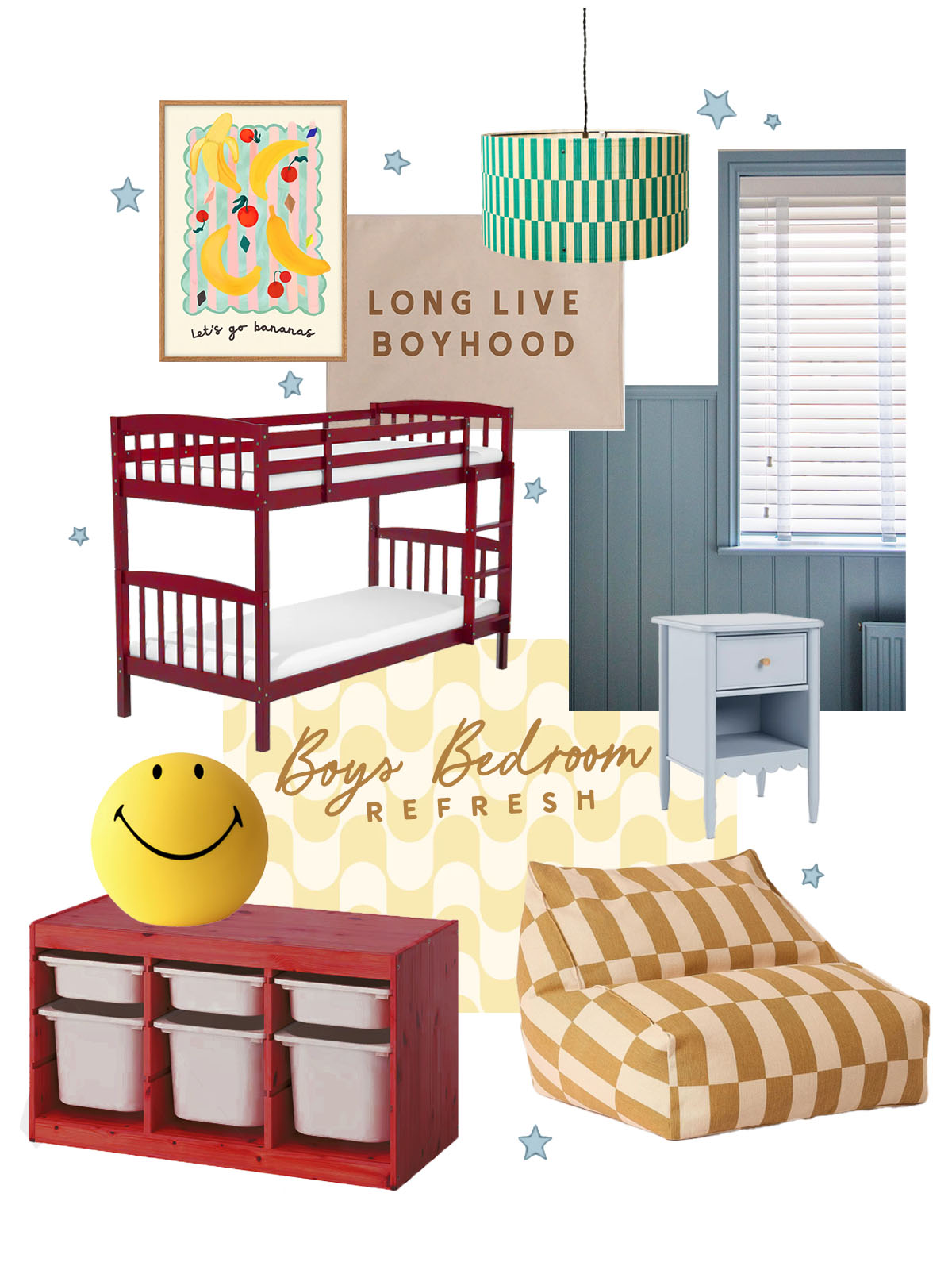
A clutter-free environment is vital to relaxation and comfort. Interior design should prioritise storage solutions that keep the space organised and tidy. Minimalist design principles often assist in achieving this by focusing on essential furnishings and decor elements only. An uncluttered space allows the mind to rest and rejuvenates energy within the home.
Functional Layout and Traffic Flow
The arrangement of furniture and objects should enable easy movement and promote interaction. Avoid overcrowding rooms and ensure that passageways remain clear. A thoughtful layout enhances both comfort and practicality, allowing the house to function efficiently for everyday activities and social gatherings.
Adding Personal Touches
Personalising interiors with meaningful accessories or artwork can heighten the sense of comfort. These elements provide visual interest and emotional connection, making the home feel truly individual and welcoming. However, moderation is key to preserving a calm and balanced environment.
Using Plants to Enhance Air Quality and Ambience
Incorporating indoor plants introduces natural beauty and improves air quality. Plants contribute to a calming atmosphere and provide subtle colour variations that enliven interior spaces. Low-maintenance varieties are ideal for busy households and can be placed strategically to complement the design scheme.
Choosing Durable and Easy-to-Maintain Materials
Comfort also involves practicality. Selecting materials that are durable and easy to clean ensures the home remains inviting without excessive upkeep. This approach supports longevity and sustained comfort in everyday living conditions.
Emphasising Cozy Textiles and Soft Furnishings
The addition of textiles such as cushions, throws, and rugs softens interiors and enhances tactile comfort. These elements also contribute colour and pattern diversity, enriching the visual appeal. Coordinating textiles with the overall colour scheme strengthens cohesion across the space.
Incorporating Quiet Zones
A home that fosters relaxation often benefits from designated quiet areas. These might be corners with comfortable seating for reading or meditation. Creating such zones within larger living spaces or bedrooms supports mental rest and personal rejuvenation.
Selecting Quality Window Treatments
Window treatments affect both natural light intake and privacy, thus influencing the comfort of a room. Choices such as curtains, blinds or shutters should complement the design style while offering functional benefits. Layered options enable greater control over lighting and atmosphere.
Integrating Technology Thoughtfully
Technology can enhance convenience and comfort but should be integrated unobtrusively. Selecting discreet or built-in devices helps maintain a peaceful environment free from visual or auditory distraction.
Ensuring Proper Ventilation
Healthy air circulation is crucial to indoor comfort. Designs that include windows that open easily or integrate ventilation systems support an optimum indoor environment, contributing to occupants’ wellbeing.
Conclusion: Achieving a Home of Comfort and Relaxation
By applying these simple, considered interior design ideas, anyone can create a home that is both relaxing and comfortable. Focused attention on furniture selection, colour schemes, lighting, organisation and personalisation helps establish a harmonious space. The dining table is just one example of how thoughtful choices from Relax House can impact the home’s overall allure and functionality. Ultimately, a calm and welcoming home supports the lifestyle and wellness of all who live there.