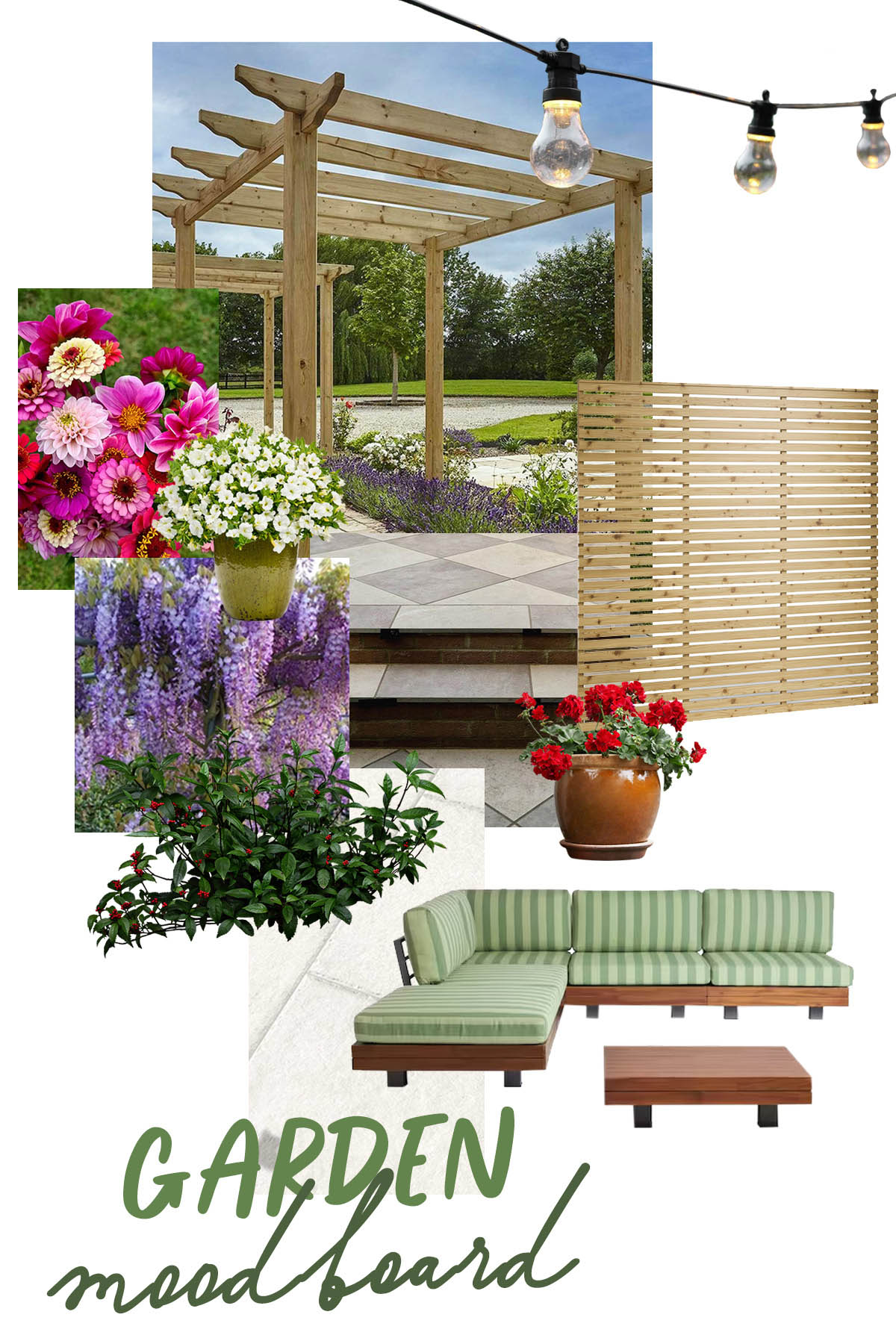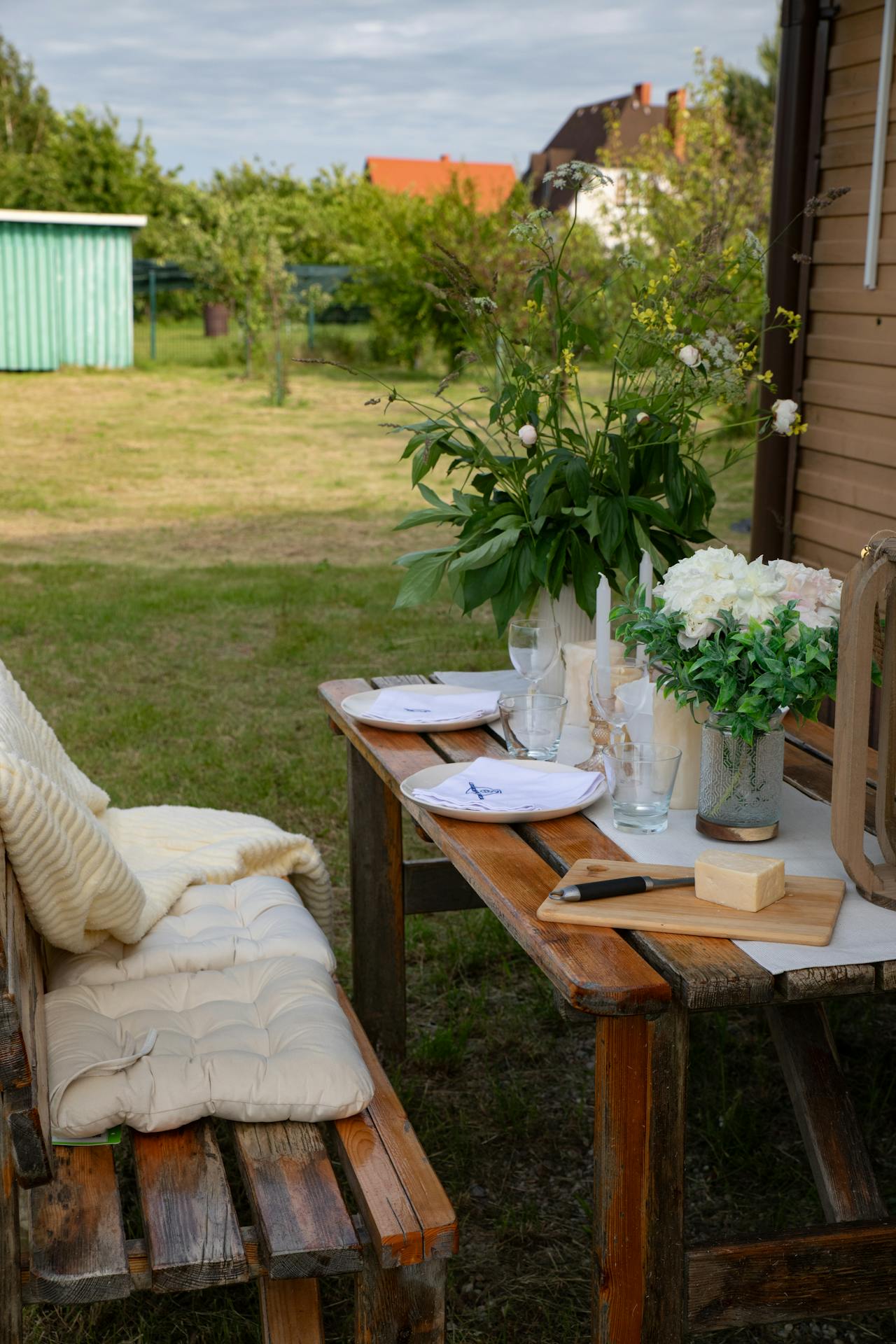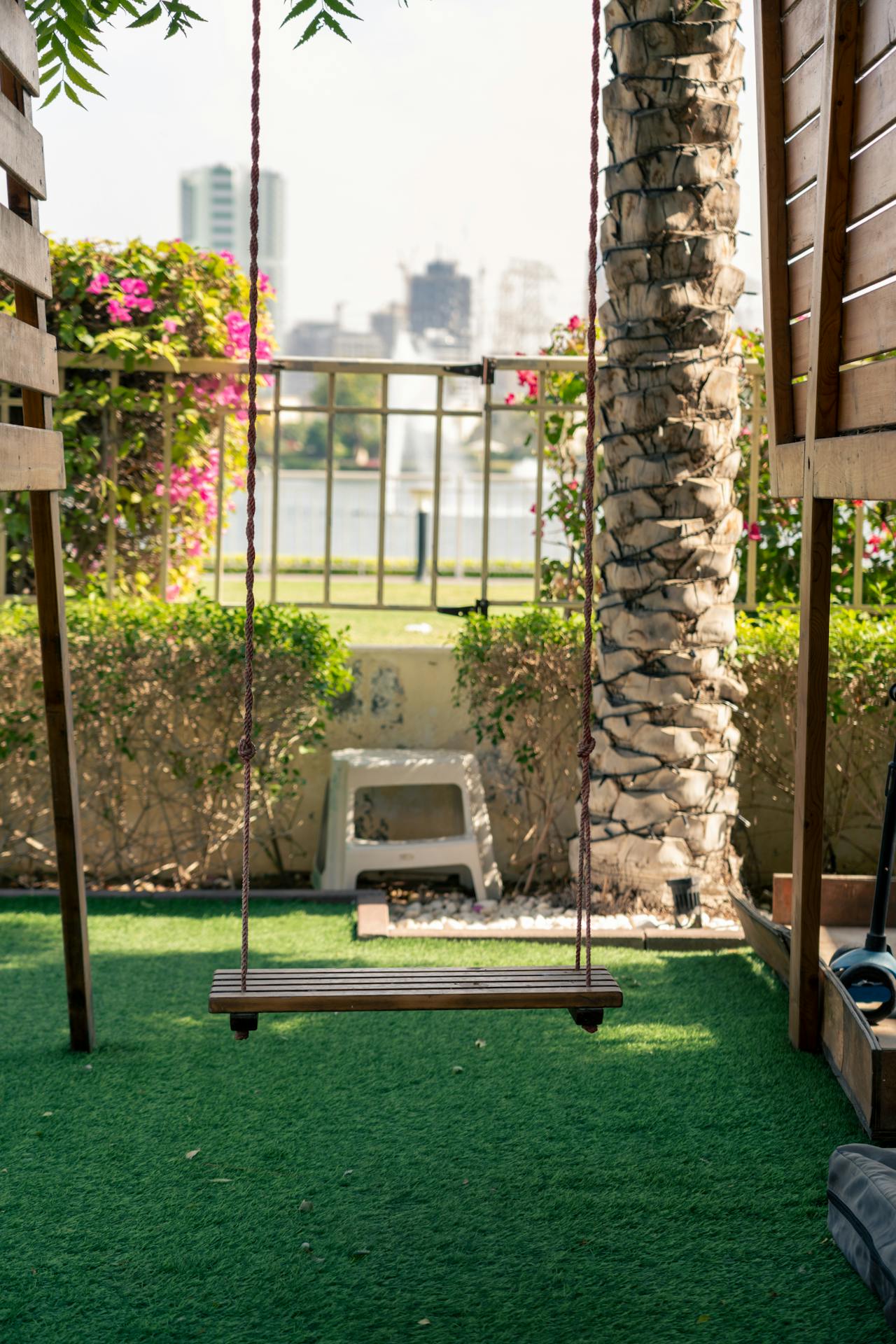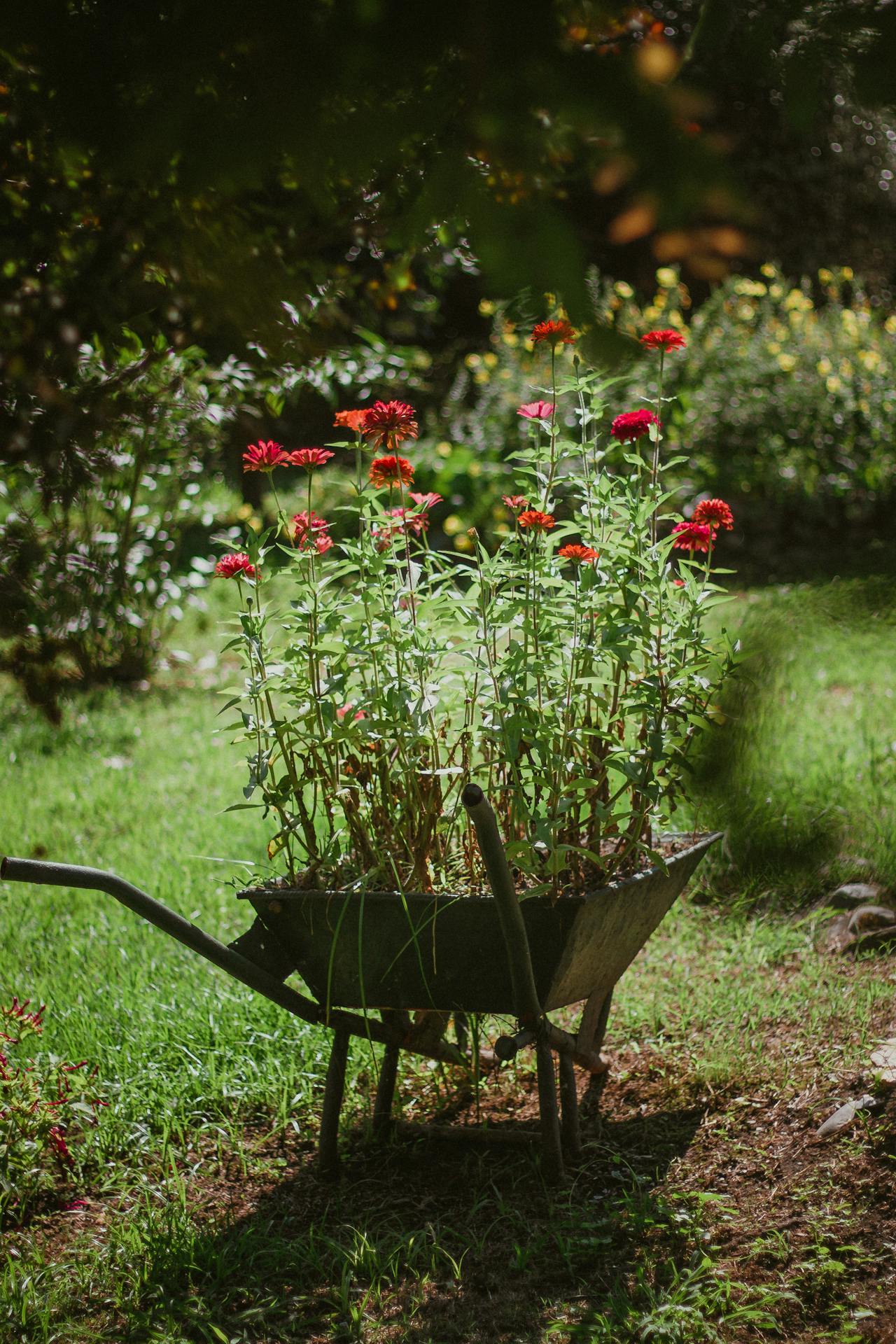
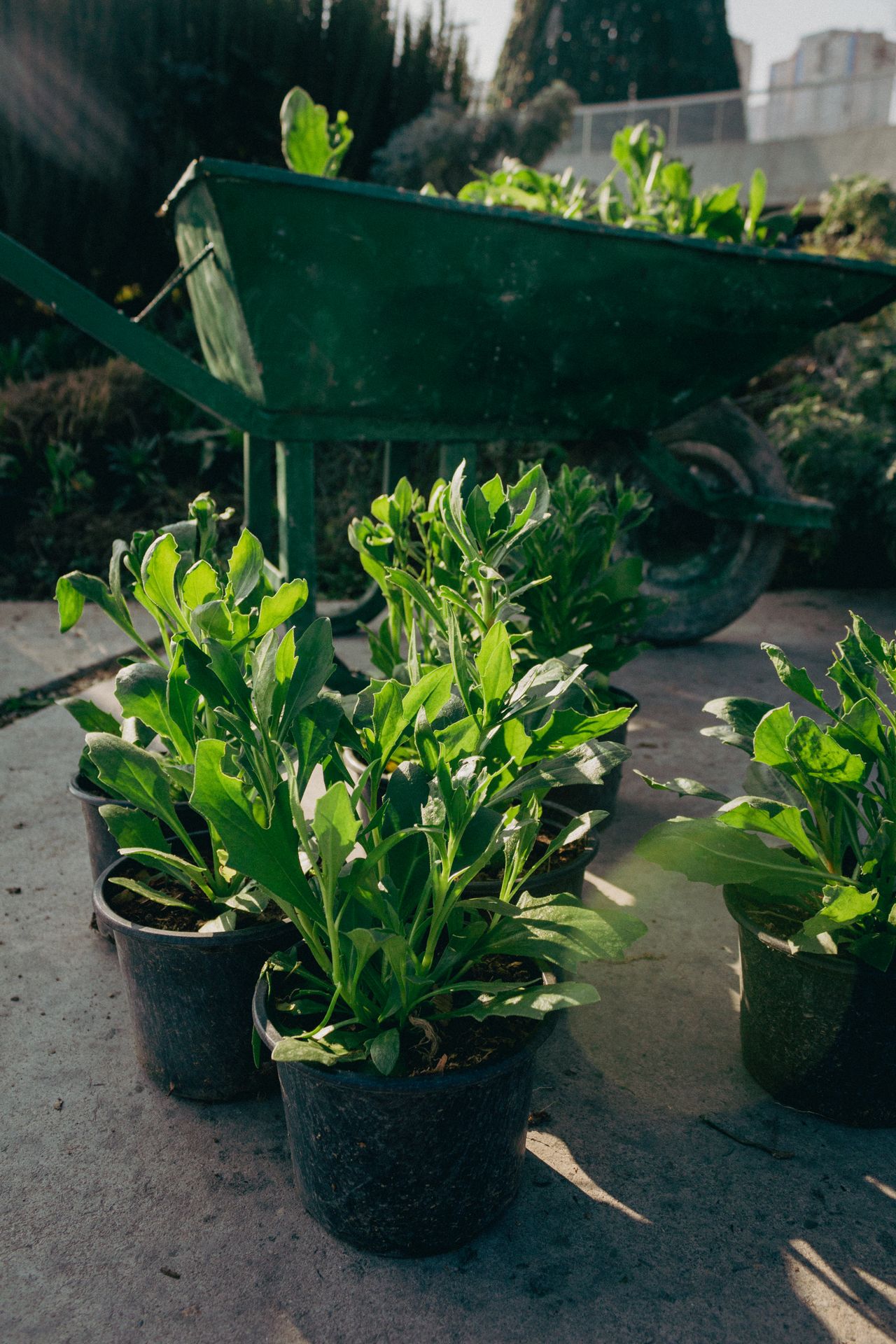
If you are dreaming of a new garden next year, spring might seem like the obvious time to start planning your garden renovation.
In reality, if you don’t start early, the whole thing can become an expensive decision made in a rush.
Garden renovations involve far more than choosing nice plants and furniture. You may need to replace fencing, lift paving, book contractors, order materials, and sort drainage or electrical work before anything pretty happens.
So winter isn’t dead time for your garden renovation. It is your planning season.
Decide What You Want the Garden to Do
Start with function, not Pinterest. Ask what is currently missing.
Do you need somewhere for outdoor dining? More privacy? A safer play area? Better access to the shed? Less lawn to maintain? Somewhere that feels connected to your kitchen or living space?
Make three lists:
Must do — damaged fencing, drainage problems or unsafe surfaces.
Want to do — a new patio, decking, pergola or redesigned borders.
Would be nice — furniture, decorative lighting, pots and accessories.
This gives you a hierarchy.
It also makes budget cuts much easier later because you already know which features matter most.
Measure the Garden Before Setting Your Budget
A garden renovation can become expensive when rough guesses turn into real quantities.
Measure the space properly.
A rectangular patio measuring 4m by 5m requires 20m² of coverage. If your chosen paving costs £50 per square metre, that’s already £1,000 of paving before allowing for preparation, installation, waste, delivery or other materials.
Do the same for fencing.
A 12-metre boundary divided into standard 1.8m-wide panels needs roughly seven panels, although actual requirements will depend on posts, panel dimensions and the exact layout.
Also measure access.
Can materials come through the side gate? Could a mini digger get into the garden? Where would a skip go?
These boring measurements can have a surprisingly large effect on labour and delivery costs.
Start Gathering Quotes Earlier Than You Think
One of the biggest advantages of winter planning is that you can speak to trades before you’re desperate for the work to begin.
For significant work, obtain several comparable quotations.
Don’t compare only the final number. Check what each quote actually includes:
• removal of existing materials;
• ground preparation;
• waste disposal;
• labour;
• materials;
• drainage;
• electrical work;
• delivery; and
• VAT where applicable.
A £6,000 quote that includes groundwork and waste removal may be better value than a £5,000 quote that leaves both for you to arrange.
Build a Budget Around the Unseen Work
The least exciting parts of a garden renovation are often the most important.
Nobody puts a photograph of a well-prepared sub-base on their moodboard, but what happens underneath a patio or deck affects what happens above it.
Your budget may need to cover excavation, drainage, foundations, sub-bases, fixings, supports, waste removal and labour before buying a single chair.
The 2025 UK Houzz & Home Study found that 32% of renovating homeowners said staying on budget was a challenge. While the research covers home renovations generally rather than garden projects alone, the finding is a useful reminder to work out the full cost of a garden renovation before committing to the most visible parts of the design.
Build some contingency into your own budget for surprises.
Removing an old patio might expose drainage problems. Fence posts may be worse than expected. Excavation may uncover something that changes the original plan.
Order Material Samples Before You Decide
Shopping for garden materials online is a great way to create a shortlist. Manufacturers and retailers may show products through lifestyle photography, close-up images, colour ranges and examples from completed gardens. Material can look perfect on your monitor, but keep in mind that screens can reproduce colours differently depending on their brightness and settings.
Once you have narrowed down your favourites, order samples where possible before committing to a large quantity.
This is particularly useful with paving and decking, where colour and texture can have a big influence on the finished garden. Paving samples let you feel the surface texture and compare different tones against your home’s brickwork, while composite decking samples allow you to see board colours, grain patterns and finishes in person. Timber samples can also help you appreciate the natural grain and consider how the appearance may change once the wood is treated or weathered.
Similarly, fencing suppliers may offer samples, which can be especially helpful if you’re considering composite fencing. A fence forms a large part of the view from many gardens, so compare the colour and finish against your decking or paving as well as your home’s brickwork and window frames. If you’re comparing several composite fence boards, a physical sample can also help you see differences in texture and finish that may not be obvious on a screen.
Gravel is slightly different. Suppliers commonly sell it by stone size, colour and bulk quantity, so look for images showing the aggregate. If a sample is available, use it to check the actual stone size and mix of colours.
Also check the less exciting information on the product page: dimensions, coverage, maintenance guidance, installation requirements, guarantees and delivery conditions.
Design the Garden from Inside the House
Planning your garden from inside the house is particularly important when you’re trying to make a new-build garden feel more considered.
Go inside. Stand at the kitchen sink and look through the window. Sit at your dining table. Open the patio doors.
What will you see every day?
The main focal point does not necessarily need to be in the middle of the garden. A tree, pergola, beautiful border or feature fence positioned within a key sightline can make the garden feel more designed from inside the house too.
You can also borrow ideas from your interiors.
If your home uses warm wood tones, black details or soft neutral colours, repeating some of those elements outside can create a visual connection between the two spaces.
The garden then becomes part of the home.
Work Out the Correct Order of Jobs
The order of a garden renovation can save or create a lot of extra work.
Imagine planting your new borders before builders need to carry tonnes of paving through the garden.
A larger project might follow an order such as:
Clear → excavate → drainage and utilities → construction → surfaces → boundaries → soil and planting → furniture and styling.
Your project may differ, but structural and messy work should generally happen before delicate finishing work.
Decide Where to Spend and Where to Save
Not everything needs to be premium.
Spend where quality will be difficult or expensive to change later.
Ground preparation, drainage and major structural elements are obvious examples.
You can save on things that are easy to replace.
Pots can be upgraded next year. Furniture can wait for a sale. Plants can be added gradually rather than buying enough to make every border look mature immediately.
Create Your Spring Start Plan
By the end of winter, aim to have five things ready:
• A final layout
• A realistic budget
• Your main materials selected
• Contractors booked where needed
• An order of work
Then spring can be about doing rather than deciding.
Build some flexibility into the schedule because British weather will always have an opinion about an outdoor renovation.
Plan in Winter, Enjoy It in Summer
The best reason to plan a garden renovation during winter isn’t simply to get ahead.
It gives you time to make better decisions.
You can measure properly, compare quotations, see material samples in real conditions and decide where your money will make the biggest difference.
Most importantly, you can create a garden around the way you actually live.
Because when that first properly warm spring weekend arrives, it is much nicer to know what you’re doing than to still be standing in the garden wondering where to begin.