Small Changes That Make a Home Garden Feel More Put Together
A welcoming home garden is rarely the result of one dramatic makeover. More often, it comes from small, thoughtful changes: clearer edges, a few healthy pots and somewhere comfortable to sit. Whether your outdoor space is a compact courtyard or a family lawn, a little attention to its most visible areas can make it feel like a natural extension of home.
Start with the edges
A tidy lawn edge or a clean line between paving and borders creates an immediate sense of order. Use a suitable edging tool to define the shape, then remove weeds and stray grass from the path. It does not need to be perfectly straight: soft curves can work beautifully in informal gardens. The goal is to make the space look deliberately cared for without creating extra maintenance.
Let hedges frame the space
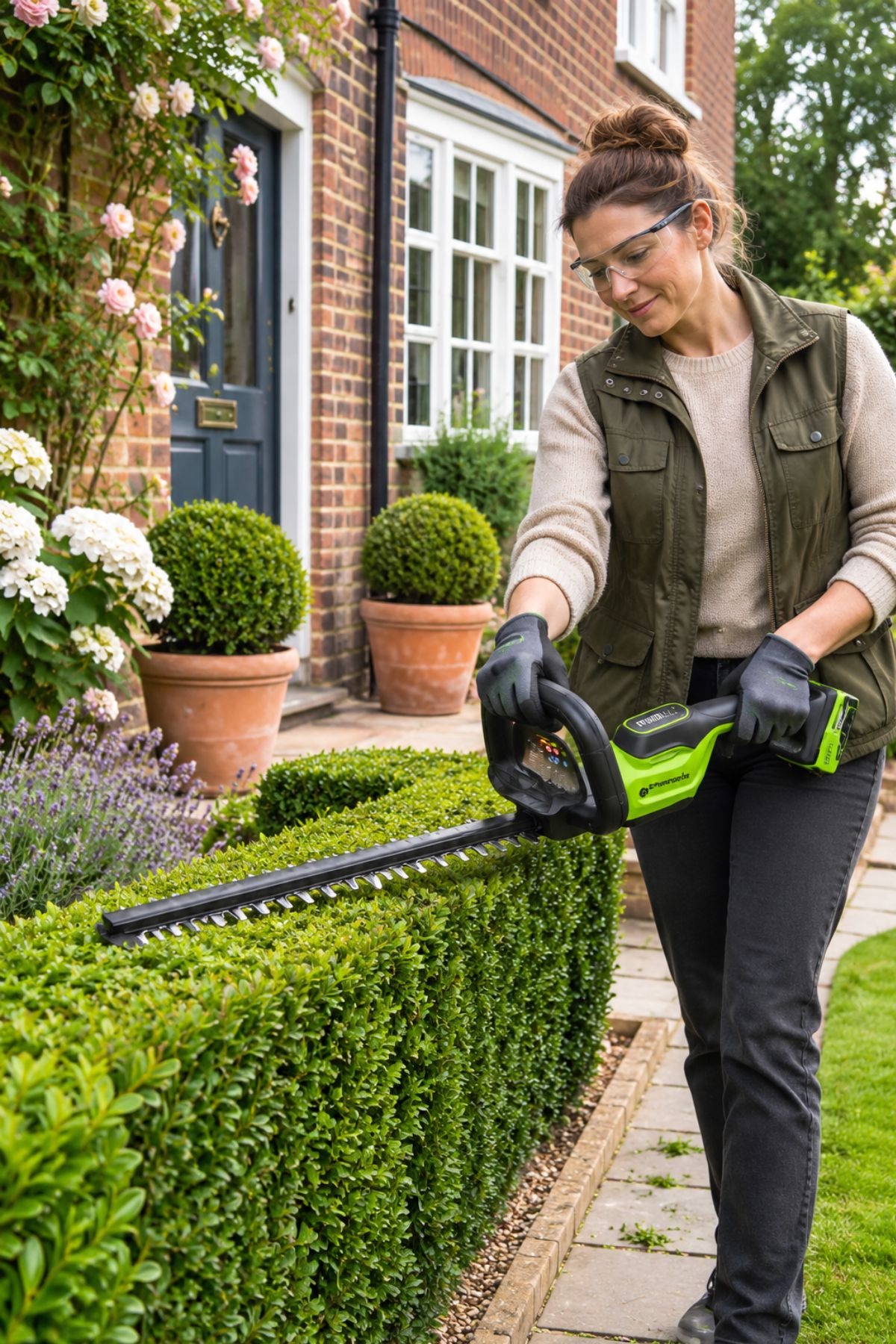
A hedge can provide privacy and a green backdrop for flowers or seating. If it becomes overgrown, the garden may feel smaller and darker than it is. Short hedges can be maintained with hand shears, while cordless hedge trimmers may suit longer boundaries where a power cable would be inconvenient. Check blade length, cutting capacity, machine weight and battery requirements before choosing. Always look for nesting birds before trimming; active nests are legally protected, and the timing should suit the hedge species.
Make paths inviting
Sweep away leaves and moss where they create slippery patches, and check that paving is level and secure. A narrow line of planting beside a path can soften its edges, while a gravel strip or low border may keep the design looking intentional. Leave enough room for people to pass comfortably, especially if children or visitors use the garden regularly.
Use pots for colour and height
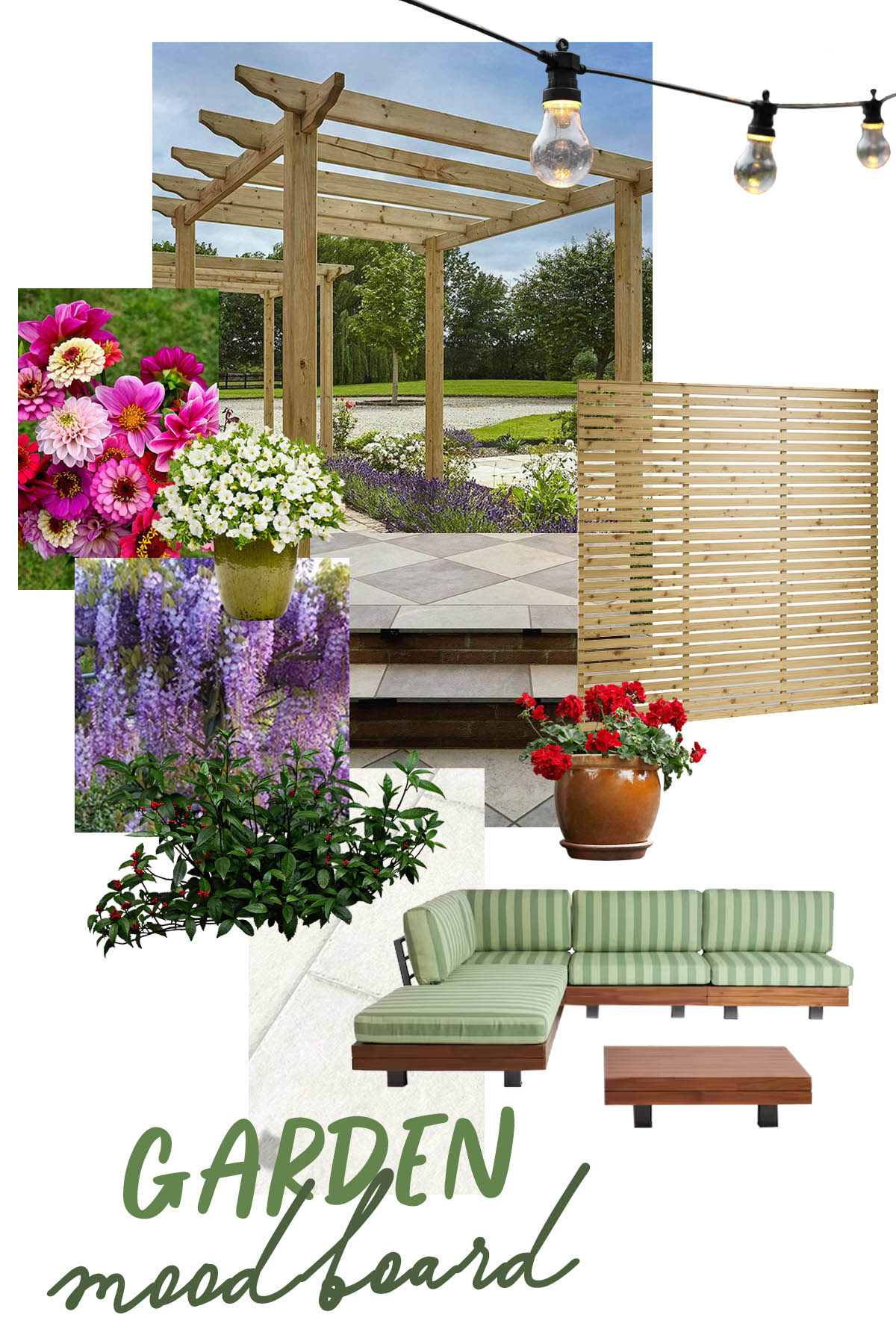
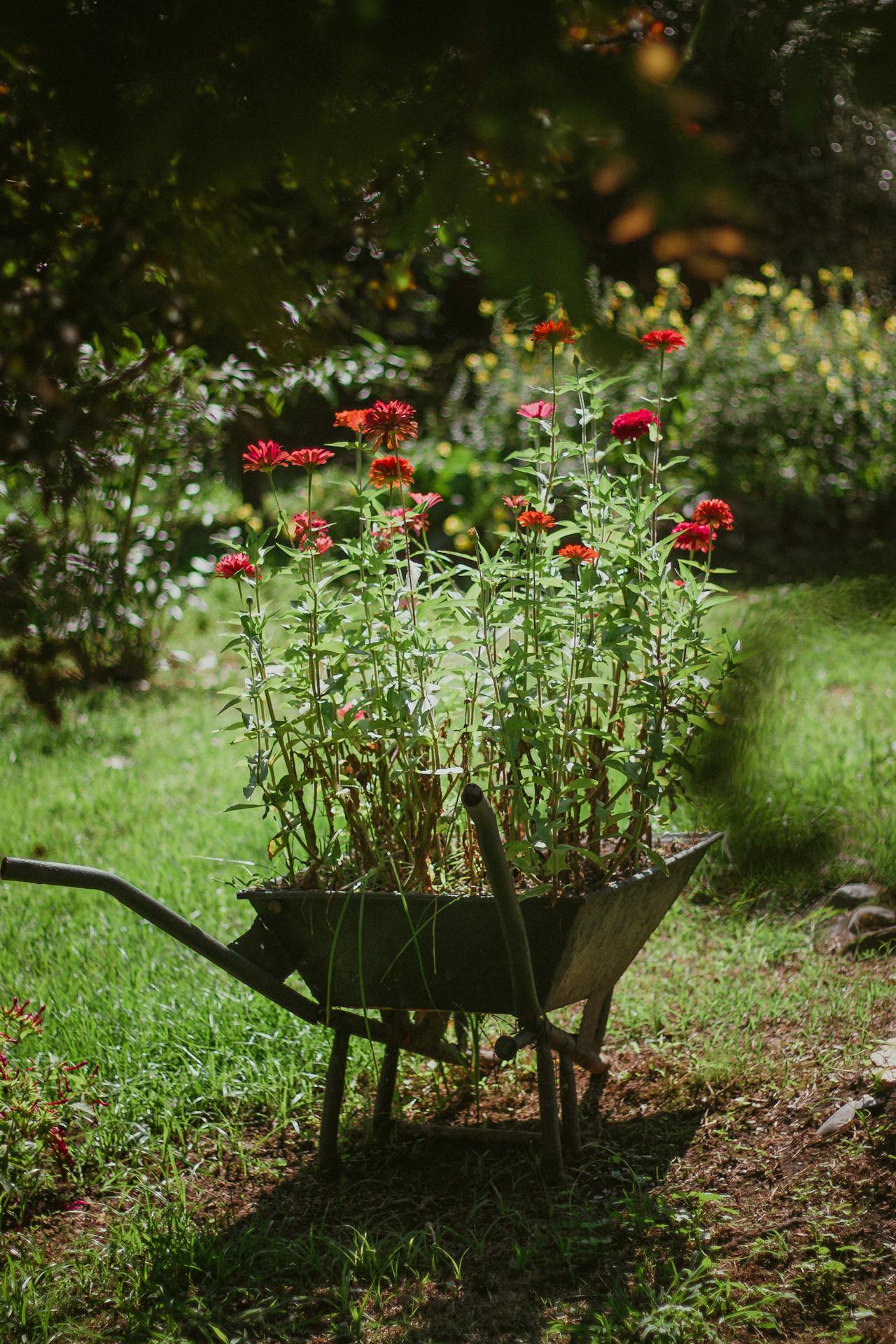
Containers are useful where border space is limited. A group of two or three pots with complementary colours or materials can look more considered than many mismatched ones. Choose plants suited to the available light, use suitable compost and ensure that water can drain. Raising a container on pot feet can help where drainage is poor, but take care that tall pots are stable in strong winds.
Create a place to pause
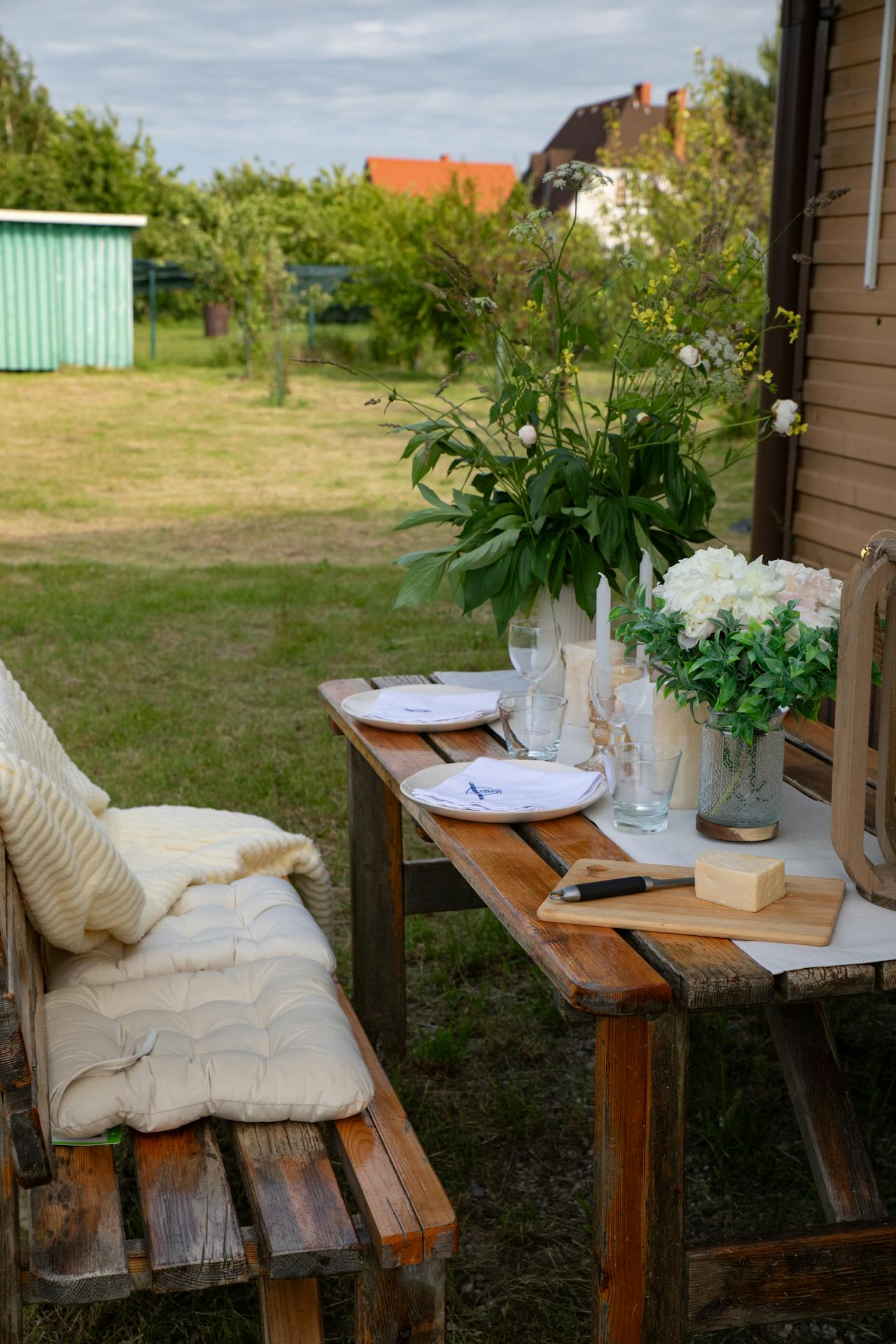
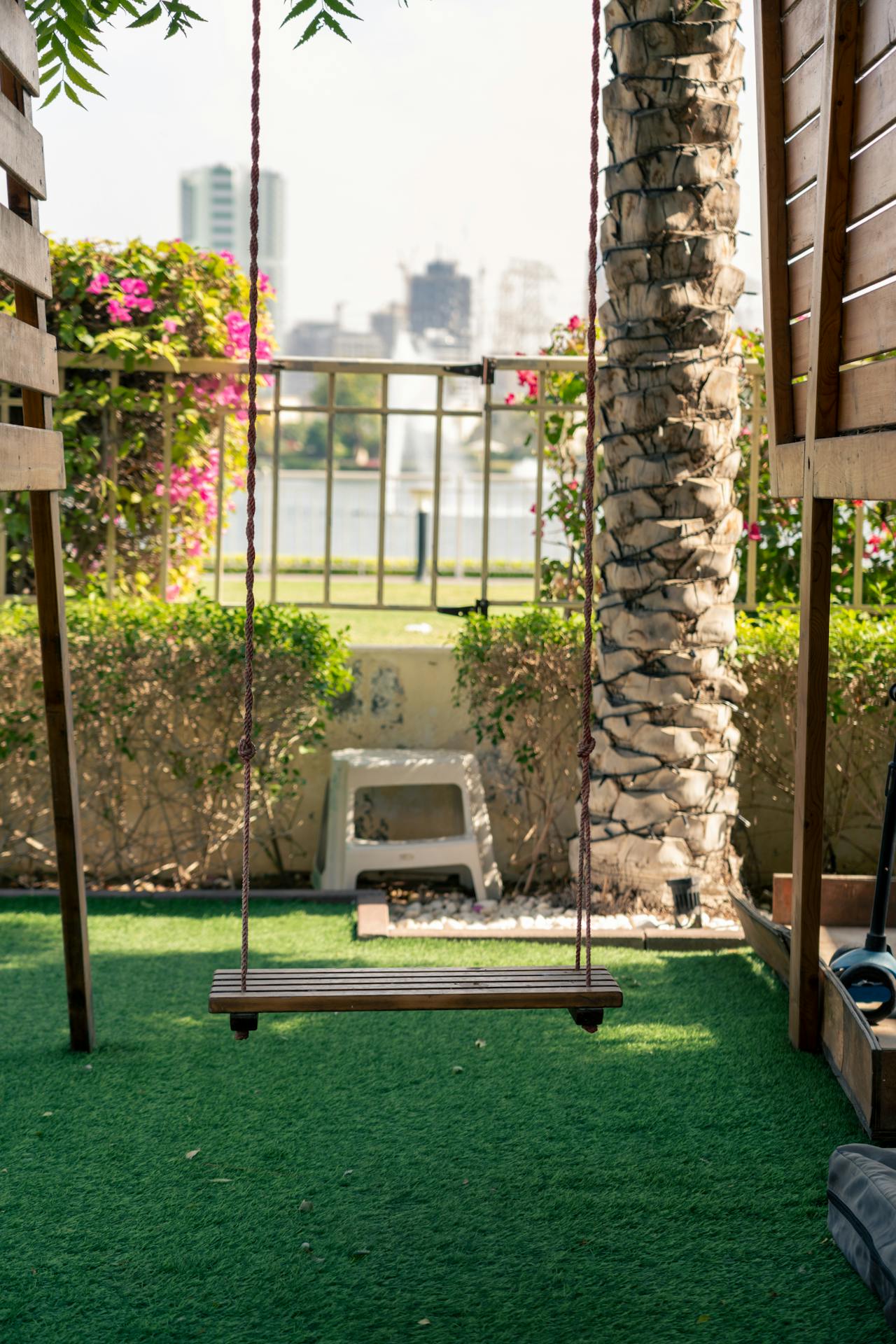
A bistro table, a simple bench or a comfortable chair gives the garden a purpose beyond maintenance. Position seating where it catches the light or offers a pleasant view, and consider whether neighbours overlook the area. Outdoor lighting can add atmosphere in darker months, provided cables, fittings and power supplies are suitable for external use.
Declutter without stripping the garden bare
Put loose toys, broken pots and unused materials away, but resist the urge to remove every fallen leaf or seed head. A small, undisturbed corner can support wildlife, while main paths and entrances should remain clear. A tidy garden and a wildlife-friendly one are not mutually exclusive.
Make it feel like your home
Choose one or two improvements that fit the way you actually use the space. Keep equipment easy to store, look after existing planting and add decorative touches gradually. A home garden feels most complete when it is comfortable to spend time in, not when every corner is immaculate.