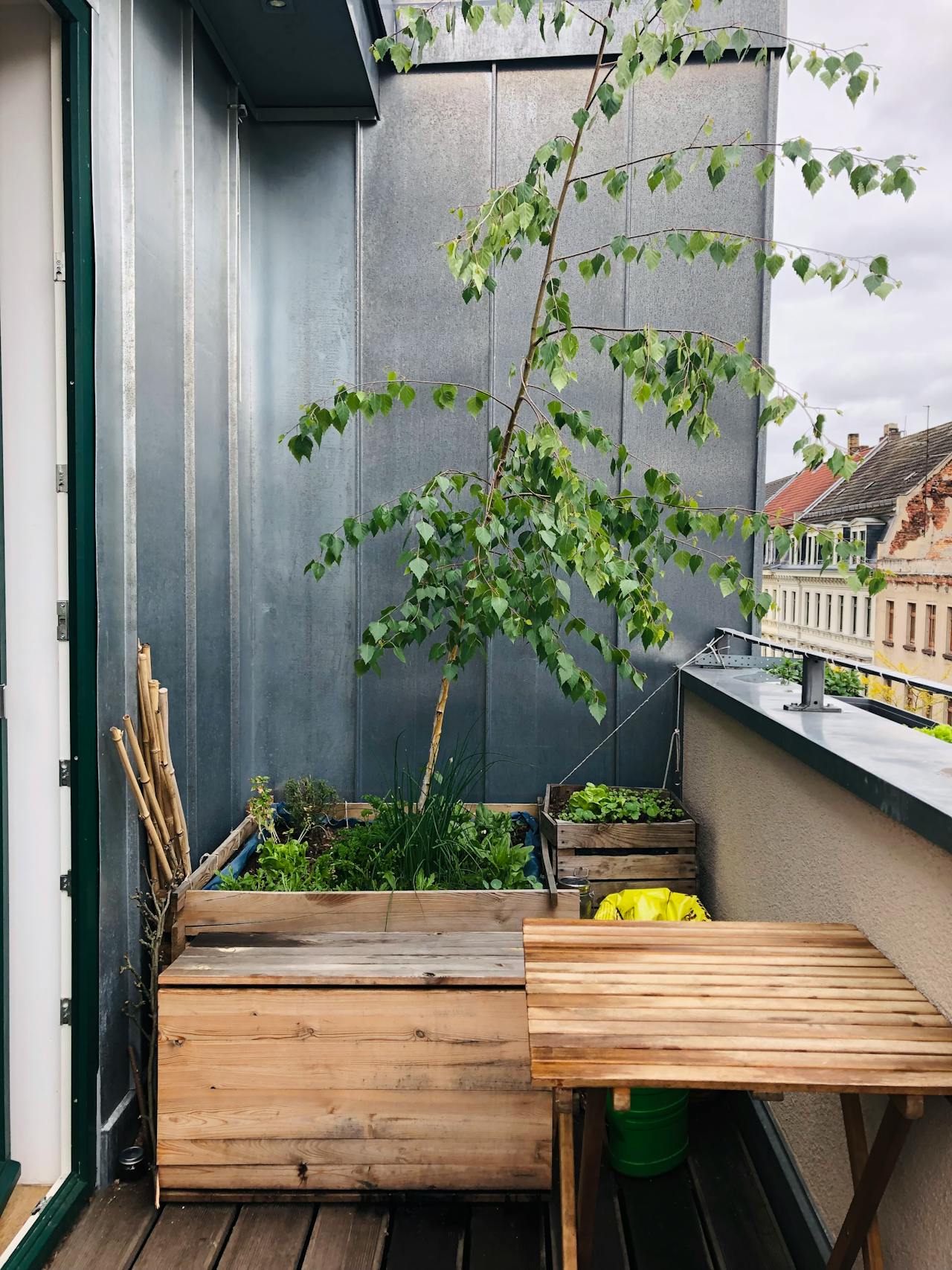
A smaller garden can feel limiting at first, but a lack of space forces creativity and supports you in forming something more special than a sprawling lawn. However, without careful direction, you’ll find it becoming cramped and chaotic. Discover how to approach designing smaller garden spaces to make the most of the available space and create an outdoor haven for your home.
Creating distinct zones
Every room (or garden) design scheme should start with zoning. This involves intentionally dividing the space into key ‘zones’, each for a different purpose. In your garden, this might include establishing growing areas, ornamental features and places for relaxation. This strategy ensures a functional flow and visual harmony that helps the eye read the space as larger and more organised.
Changes in materials work well to establish zones in smaller gardens. For instance, switching from paving to gravel or decking creates a natural visual break without building walls, dividing the space to the eye while keeping it open. Low-lying features like planters or small hedges are another useful way to gently separate key areas.
Planning planting strategically
For most of us, plants are the foundation of a garden. Approaching planting strategically will enable you to grow more and grow better, whether you’re focused on generating produce or establishing beautiful blooms.
Start by mapping sunlight and matching areas with plants with those specific light requirements, to ensure healthy development in every space. Consider how the garden will look in each season too, ensuring a decent amount of evergreens. Taller plants at the back or along boundaries add height, while lower varieties near paths prevent the space from feeling cramped. This sloped design should also help prevent sunlight from being blocked by your larger plants. When choosing what to grow, look for options that offer multiple uses, such as herbs that provide structure, scent and something useful for the kitchen.
If you enjoy growing fruits and vegetables, you’ll benefit from tools that help optimise the climate. A small greenhouse or compact temporary structure like a polytunnel will help extend your growing season and increase the variety of produce you’re able to house without taking up too much valuable space.
Utilising vertical space
Vertical space is often wasted potential in small spaces. Just as adding hooks and shelves to room walls can increase storage in your home, introducing trellises and mounted planters helps maximise available space in the garden, without taking up any precious floorspace. Having features at-a-height will also help to draw the eye out and up, making the area feel more expansive.
Climbing plants such as jasmine or clematis introduce greenery and are effective in softening hard boundaries like fences. Installing shelves or wall-mounted planters to hold pots or compact vegetables adds character and supports you in growing more, without restricting how you can use or move around in the ground space.
Optimising the colour scheme
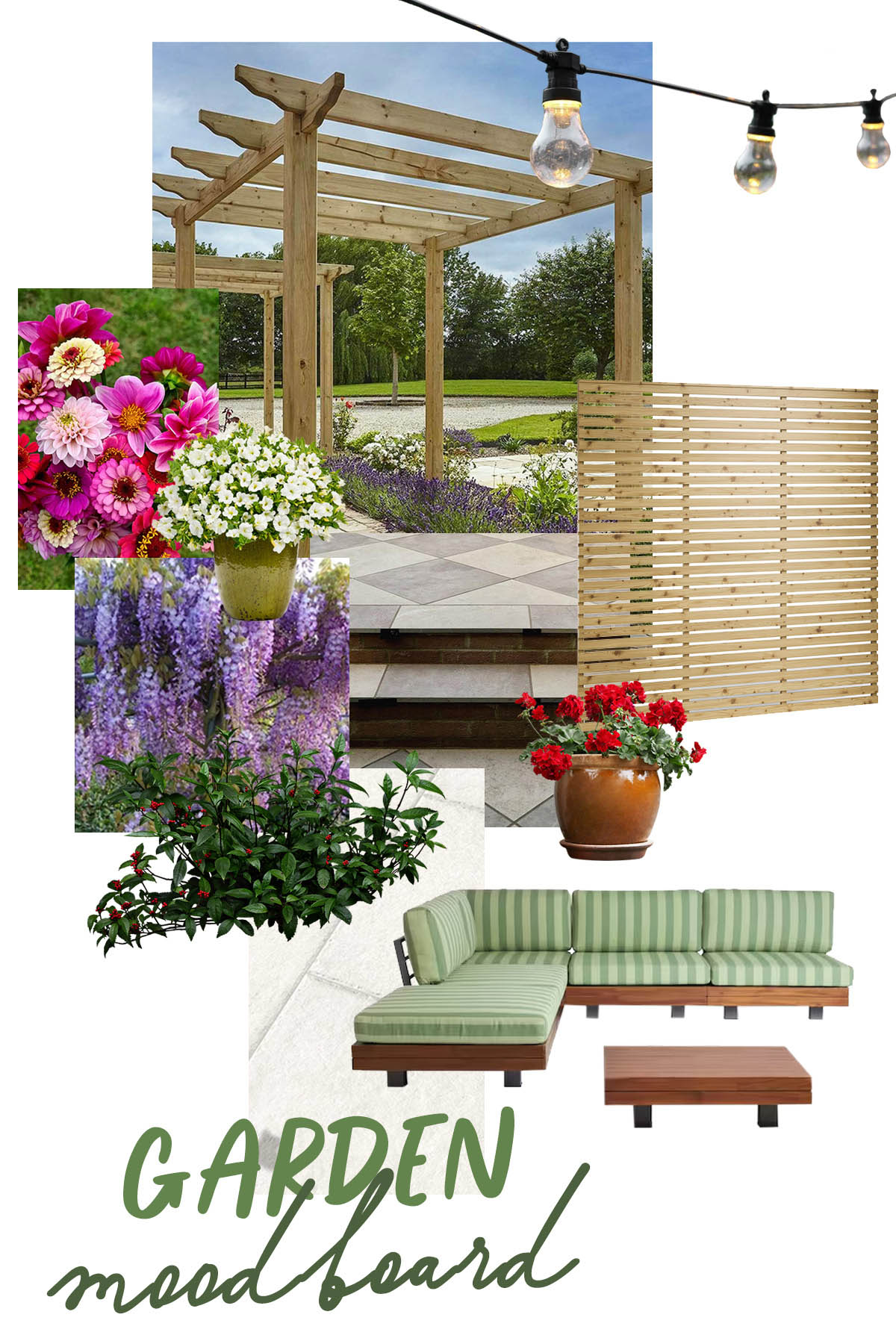
Colour influences how spacious your garden feels more than you might expect. Lighter tones for fencing and paving reflect light and open up the area, especially if your outside space sits in a shaded spot. Opting for natural neutrals like soft greens, pale greys and off-whites creates a calm backdrop that lets plants stand out without looking incongruous or overwhelming. Having said that, one feature wall in a dark shade like navy can be grounding and provide depth and dimension without shrinking the overall space.
Layer in colour through planting. Repeating a small palette of shades, such as whites, purples or soft pinks, rather than picking at random creates cohesion, making the space feel less cluttered. When your eye moves smoothly across the garden, you perceive it as more expansive.
Integrating clever storage
Clutter quickly shrinks a small garden, so thoughtful storage solutions are essential. Giving every tool and accessory a home keeps the space functional without sacrificing style, and when you don’t have room for a large building, this can be challenging. Look for sheds in space-saving styles like corner sheds, with optimised interiors that can hold more while keeping your belongings organised. Open shelving can be leaned up against a would-be-wasted wall and used to display attractive tools and watering cans.
Choose clever solutions that provide a double purpose as much as possible to get the most out of the space. Benches with built-in storage, for example, allow you to tuck away cushions, tools, or children’s toys while still providing seating.