
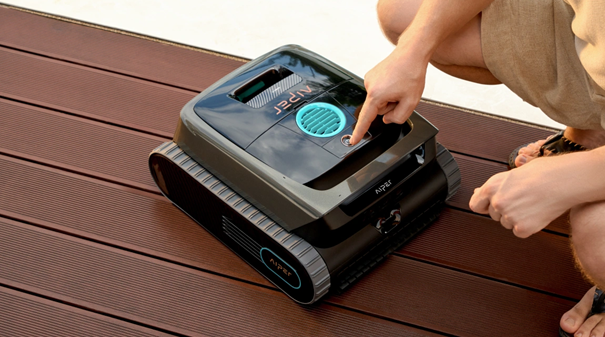
Keeping a swimming pool clean often requires regular attention. Leaves, dust, and debris can accumulate quickly, especially in outdoor pools exposed to wind, trees, or frequent use. Traditional cleaning methods rely on manual tools such as brushes, skimmers, and vacuum systems. While these tools are effective, maintaining a pool this way can take hours each week and requires consistent effort.
A pool robot cleaner offers a different approach by automating many of the tasks traditionally done by hand. These devices move through the pool independently, scrubbing surfaces and collecting debris as they go. As robotic cleaning technology becomes more accessible worldwide, many pool owners are exploring how automation can reduce routine maintenance and make pool care easier to manage.
Why Manual Pool Cleaning Can Be Demanding
Before exploring the benefits of automation, it’s helpful to understand the common challenges of traditional pool maintenance.
1. Time-Consuming Cleaning Routines
Manual cleaning often involves several steps:
- Skimming leaves and floating debris
- Brushing the pool walls and floor
- Vacuuming dirt and sand
- Emptying filtration baskets
For busy homeowners, finding time for these tasks every week can be difficult.
2. Physical Effort and Repetitive Work
Cleaning large pools requires reaching across wide surfaces and pushing manual vacuums across the pool floor. Over time, this repetitive work can become tiring.
Tasks like brushing algae from walls or vacuuming corners may also require entering the pool or leaning over the edge repeatedly.
3. Inconsistent Cleaning Results
Manual cleaning often depends on how much time you can dedicate to it. If cleaning is delayed, debris and algae can accumulate quickly, especially during windy weather or heavy pool use.
Automation helps address these issues by maintaining regular cleaning cycles.
What Is a Pool Robot Cleaner?
A pool robot cleaner is an automated device designed to clean swimming pools independently. Unlike traditional vacuum systems that rely on the pool pump, robotic cleaners typically operate using their own motors and internal filtration systems.
These machines are placed in the water and programmed to move around the pool while collecting debris and scrubbing surfaces.
Key Components of Robotic Pool Cleaners
Most robotic cleaners include several core parts:
- Electric motors for movement and suction
- Rotating brushes that scrub surfaces
- Internal filters or baskets that trap debris
- Sensors and navigation systems that guide movement
These components work together to remove dirt, leaves, and fine particles without requiring manual intervention.
How a Pool Robot Cleaner Reduces Manual Work
1. Automated Debris Collection
One of the main benefits of robotic cleaning systems is their ability to remove debris automatically.
Instead of manually vacuuming the pool floor, the robot:
- Moves across the pool surface
- Pulls debris into its suction intake
- Stores debris in an internal filter basket
This reduces the need for manual vacuuming and frequent skimming. Many robotic systems are designed to capture both large debris (like leaves) and smaller particles such as sand and dust.
2. Built-In Scrubbing Brushes
Dirt and algae can stick to pool surfaces, especially along walls and waterlines. Manual brushing is typically required to remove these deposits.
Robotic cleaners use rotating brushes to scrub surfaces as they move. This mechanical action loosens buildup while the suction system removes debris.
Benefits include:
- Less manual brushing
- More consistent cleaning across the pool
- Reduced algae buildup between cleanings
Regular automated scrubbing helps maintain cleaner surfaces over time.
3. Intelligent Navigation for Full Pool Coverage
Early automatic pool cleaners moved randomly, which sometimes left areas untouched. Newer robotic models use sensors and navigation systems to improve coverage.
These systems may include:
- Gyroscopes for directional control
- Sensors to detect walls and obstacles
- Algorithms that plan cleaning paths
This allows the pool robot cleaner to move methodically across the pool floor, climb walls, and reach the waterline.
Structured movement patterns reduce the need for manual spot cleaning later.
4. Multiple Cleaning Modes
Many robotic cleaners offer adjustable cleaning programs designed to address different maintenance needs.
| Cleaning Mode | Purpose |
| Floor Cleaning | Removes debris from the bottom of the pool |
| Wall Cleaning | Scrubs vertical surfaces to remove buildup |
| Full Pool Mode | Cleans floor, walls, and waterline |
Selecting the appropriate cleaning mode allows the system to adapt to different cleaning requirements while reducing unnecessary manual work.
5. Scheduled Cleaning Cycles
Some robotic cleaners allow you to set automated cleaning schedules. Instead of waiting for visible debris buildup, the device runs at regular intervals to maintain cleanliness.
Benefits include:
- Consistent pool hygiene
- Reduced debris accumulation
- Less manual maintenance
Routine automated cleaning helps prevent problems before they develop.
Cordless Operation and Ease of Use
Many modern robotic cleaners operate using rechargeable batteries rather than external power cords. Cordless designs simplify operation by eliminating the need to manage long cables during cleaning.
Cordless systems offer several practical advantages:
- No cable tangling
- Greater mobility in different pool shapes
- Faster setup
Typical cleaning cycles range from 90 minutes to several hours, depending on pool size and model. After the cleaning cycle finishes, you usually only need to remove the device and rinse the filter basket.
What Tasks Still Require Manual Maintenance?
While robotic cleaners reduce much of the manual workload, some aspects of pool care still require attention. Water chemistry, filtration systems, and equipment maintenance remain essential parts of responsible pool ownership.
Pool owners should still perform the following tasks:
- Test and balance chemical levels regularly
- Inspect pumps and filtration equipment
- Remove large debris after storms
- Replace or clean filtration components when necessary
These responsibilities ensure that water remains safe and properly sanitized even when automated cleaning systems are used.
Long-Term Benefits of Robotic Pool Cleaning
Using a pool robot cleaner regularly can improve pool maintenance in several ways.
Consistent Cleaning
Frequent automated cleaning prevents debris buildup and helps maintain clear water.
Reduced Labor
Pool owners spend less time performing physically demanding tasks such as brushing and vacuuming.
Better Surface Maintenance
Regular scrubbing reduces algae growth and surface staining.
Improved Pool Hygiene
Routine debris removal helps maintain water circulation and filtration efficiency.
Conclusion
Maintaining a swimming pool traditionally requires significant time and physical effort. Tasks such as vacuuming debris, brushing walls, and skimming the surface must be performed regularly to maintain water clarity and hygiene. For many pool owners, keeping up with these routines can become a demanding part of weekly maintenance.
A swimming pool robot cleaner helps simplify these responsibilities by automating many of the most labor-intensive cleaning tasks. With built-in motors, rotating brushes, and intelligent navigation systems, these devices move through the pool independently while collecting debris and scrubbing surfaces. Although some maintenance tasks remain necessary, robotic cleaning technology can significantly reduce the workload involved in routine swimming pool care.