
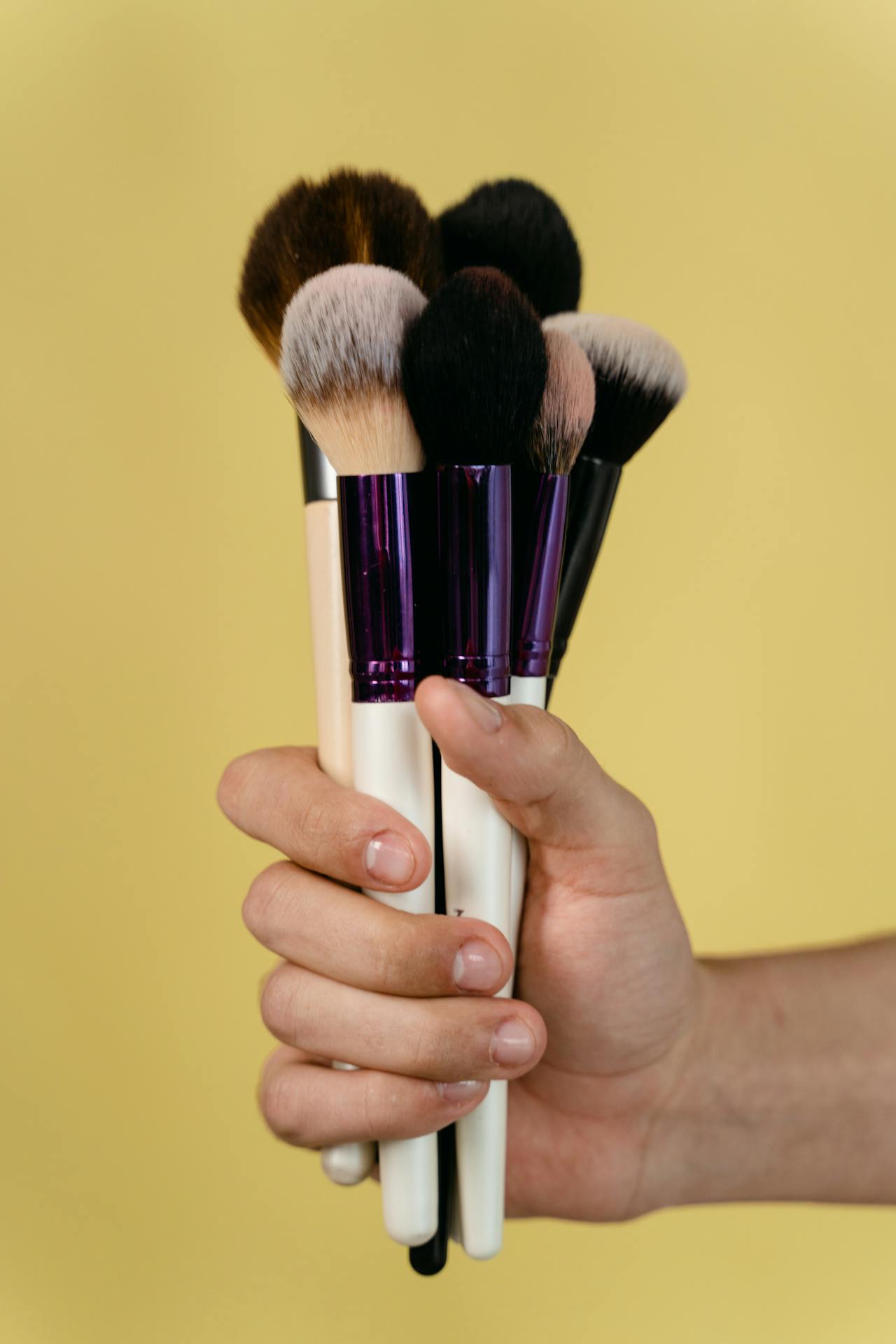
Shopping for beauty tools can be harder than it looks. A brush may seem soft in the package, photograph well online, and still turn out disappointing after a week of use. That is why it helps to know what quality actually looks like before you buy. When you are choosing a makeup brush set, the best clues usually come from performance details, not flashy branding.
A good brush should feel dependable in your hand, work well with the products you already use, and still perform well after you have washed it a few times. That is why it helps to look past the packaging and pay attention to factors such as durability, bristle density, shedding, product absorption, cruelty-free materials, and whether the brush can be used in multiple ways. Those details usually tell you a lot more than the label does.
Look at Durability First
One of the easiest ways to tell if a beauty tool is actually good is to look at how well it holds up. Brushes get used a lot, washed often, and tossed into drawers, bags, and makeup cases, so durability really matters. If a brush starts to come loose, crack, or fall apart soon after you buy it, it was not a great purchase in the first place.
A sturdy brush usually feels solid all the way through. The handle should not feel cheap or flimsy, and the metal piece that holds the bristles should look secure and well-attached. If that part already looks loose or uneven, there is a good chance the brush will not last very long. Even a brush that works well at first can quickly become annoying if it starts wobbling or shedding after only a few uses.
It is also worth thinking about what happens after you wash it. A lot of brushes look fine when they are brand new, but cleaning is what really shows their quality. A well-made brush should keep its shape, still feel nice to use, and dry without turning stiff or misshapen.
Pay Attention to Bristle Density
Bristle density can tell you a lot about how a brush will perform. Density does not simply mean better or worse. It means whether the brush is built appropriately for its intended use. A fluffy powder brush should feel airy enough to diffuse product smoothly, while a foundation or concealer brush may need a denser structure for more control.
When density is off, the application tends to feel off, too. A brush that is too sparse may leave streaks or make blending harder than it should be. A brush that is too packed for the job may apply too much product at once, making the finish look heavy. Quality tools usually have a sense of intention behind them. The shape and density work together rather than fighting each other.
This is especially useful when you are comparing a makeup brush set online. Even if you cannot touch them in person, close photos often reveal whether the bristles look evenly packed, thoughtfully shaped, and consistent from one side to the other. Brushes that already look uneven or poorly trimmed rarely improve in real life.
Watch for Shedding
Shedding is one of the quickest ways a beauty tool can lose your trust. A few stray hairs early on may not be unusual, but regular shedding is a problem. It interrupts the application, leaves fibers on the face, and usually points to weaker construction.
A quality brush should feel secure at the base, not like the bristles are barely holding on. Reviews can be helpful here if they mention long-term use rather than first impressions alone. People often reveal the most useful information after a few washes, when they can say whether the brush stayed intact or started shedding hair each time they used it.
Shedding also affects the overall experience of using the brush. Even soft bristles stop feeling luxurious when you are constantly picking them off your cheek or eyelid. That is why it matters to treat shedding as more than a small annoyance. It is often a sign that the tool was not made to last.
Notice How the Brush Handles Product
Product absorption is another detail that separates average tools from better ones. A good brush should help place and blend makeup, not soak up more product than necessary. If a brush absorbs too much foundation, cream blush, or concealer, you end up wasting product and getting less payoff on the skin.
This matters even more with cream and liquid formulas, where the wrong brush can cause makeup to disappear into the bristles rather than onto the face. A better tool tends to distribute the product more efficiently, which means smoother application and less waste. You should feel like the brush is working with the formula, not swallowing it.
Powder products matter too. A brush should be able to pick up enough powder to do the job without dumping too much onto the face at once. That kind of control usually comes from a thoughtful balance of bristle texture, density, and shape.
Check for Cruelty Free Materials
A lot of people care about more than just how a beauty tool performs now. They also want to know what it is made from. Cruelty-free materials matter for that reason. They give shoppers a way to choose products that align with their values without feeling they have to settle for lower quality. In many cases, synthetic bristles work really well, especially with cream and liquid makeup.
What matters most is not just the label. It is how the brush actually feels and performs. It should be soft on the skin, flexible enough to blend well, and sturdy enough to give you control while you apply makeup. Cruelty-free options have come a long way, and a good one should feel just as dependable and well-made as any other brush.
Choose Tools That Can Do More Than One Thing
Multi-purpose use is one of the most practical signs of a smart beauty tool. That does not mean every brush has to do everything. It means the tool should give you enough flexibility to earn its place in your routine.
For example, a well-shaped, fluffy brush might work for setting powder, bronzer, or blending around the edges of blush. A smaller tapered brush may be used for highlighting, under-eye setting powder, or more precise blending. When a tool can adapt to different steps, it becomes more useful over time and helps simplify your routine without lowering your standards.
That is one reason a quality makeup brush set can be so appealing. When the tools are thoughtfully designed, you are not stuck with single-use pieces that only make sense in one very narrow situation. Instead, you get brushes that can move with your routine and work across different formulas and techniques.
Read Reviews With a Realistic Eye
Reviews are most helpful when people talk about how a brush actually holds up over time. It helps to look for comments about washing, whether the brush keeps its shape, whether it starts shedding, and whether it still feels soft after a few weeks of use. That kind of detail tells you much more than general praise ever will.
It is also a good idea to look for patterns across reviews. If a lot of people say a brush feels sturdy, stays soft, and works well with both cream and powder products, that is usually a good sign. If the same complaints keep coming up, like shedding or the brush soaking up too much product, that is something to pay attention to.
Conclusion
What really helps when you are shopping for beauty tools is thinking about how they will hold up in real life, not just how they look at first glance. Things like durability, bristle density, shedding, how much product the brush absorbs, cruelty-free materials, and whether it can be used in multiple ways all tell you a lot. A good brush should feel reliable, work well with the products you already use, and remain useful over time rather than falling apart or being forgotten in a drawer.


