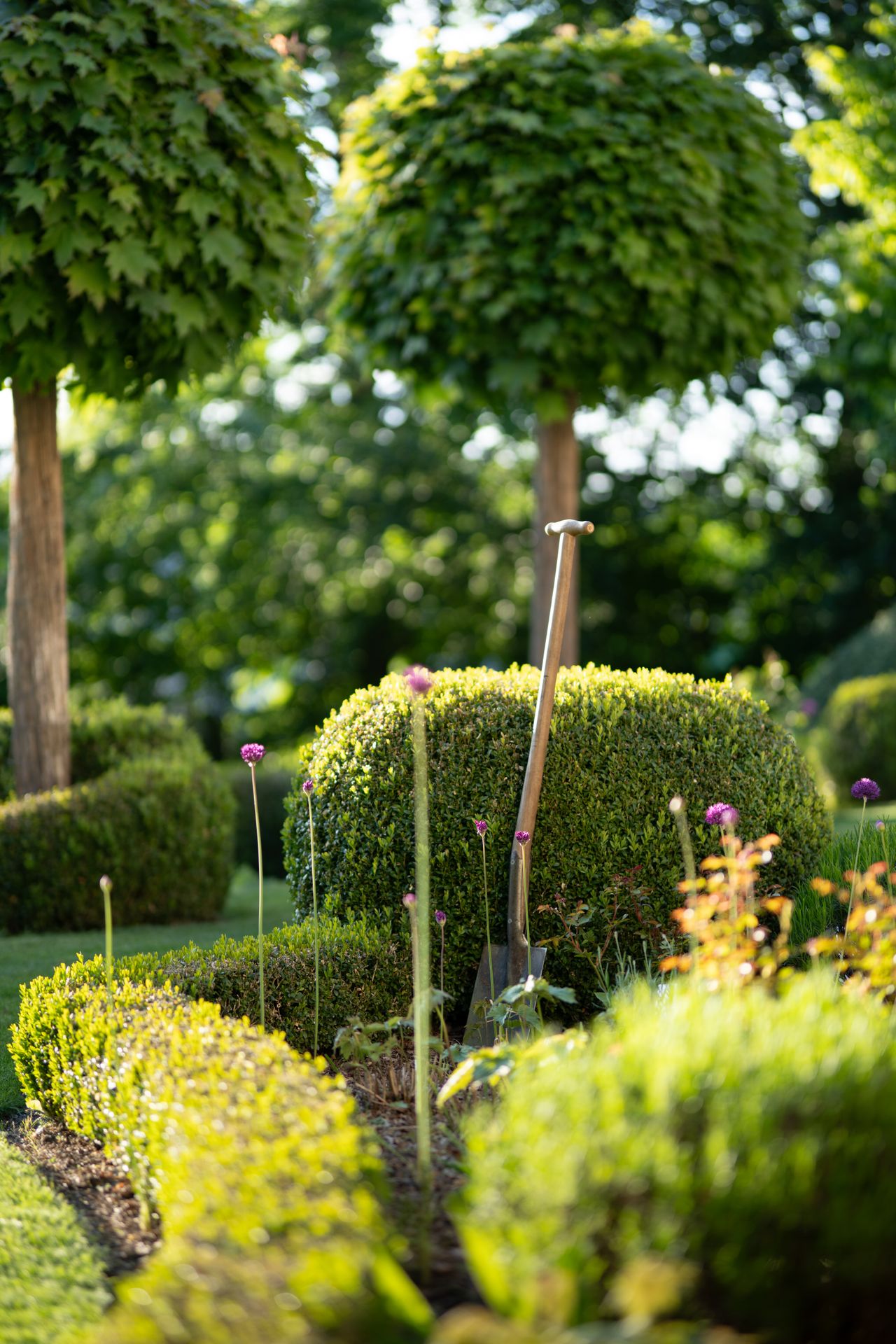
A full garden redesign sounds great in theory, and sometimes you just feel like you need to refresh your garden a little. Then you think about the cost, the mess, and the fact that you’ll be looking at bare soil for most of the summer. The truth is, most gardens don’t need starting from scratch. They just need a bit of attention in the right places.
Start With What’s Already There
Before you spend anything, actually look at what you’ve got. Overgrown shrubs are probably the most common reason a garden starts feeling heavy and tired. Not a light trim either, a proper cut back. It opens a space up in a way that surprises most people. Some shrubs that look completely past it will push out fresh new growth once they’ve been hard pruned in early spring.
If your borders have become congested, lifting and dividing perennials costs nothing and gives everything more room to do its job. You’ll usually end up with spare plants too, which can fill gaps elsewhere rather than buying new ones.
Update Your Fencing
It’s easy to overlook fencing when you’re thinking about a garden refresh, but it has a bigger impact than most people give it credit for. Weathered, tired fencing pulls the whole look of a space down even when the planting around it is decent. Replacing it makes an obvious difference, but even just treating existing fencing with a fresh wood stain can feel like a small transformation.
Colour is worth thinking about here. Dark tones like charcoal or slate grey make plants stand out against them in a way that natural wood often doesn’t. If you want something warmer and more relaxed, a light oak or driftwood tone works well without drawing too much attention to itself.
Reshape Your Lawn
If you have a lawn, the shape of it does a lot of the heavy lifting. A straight rectangular lawn in a straight rectangular garden just makes everything feel boxy. Cutting a new curved edge between the lawn and your borders is one of those changes that costs almost nothing but makes the whole garden feel more considered. A length of hosepipe laid out as a guide and a half-moon edger is all you need.
If the lawn itself is struggling, scarifying, aerating, and overseeding in autumn will sort most problems without the expense and upheaval of returfing.
Add Some Height
Gardens that sit at one level feel unfinished, like something is missing. Bringing in height, a tall grass, a climber on a simple frame, a small tree in a border, gives the space some structure and gives the eye somewhere to go. It doesn’t have to be complicated. Even a single large pot with something tall in it can shift how a smaller garden feels.
The same goes for layering in borders. Something low at the front, mid-height plants behind, and taller things further back. If everything is roughly the same height, just moving a few plants around can make a real difference without spending anything.
Use Pots Well
Pots are an easy win, but only when they’re used with a bit of thought. A few larger ones grouped together almost always looks better than lots of small ones dotted about randomly. If you can stick to one material throughout, terracotta, concrete, zinc, whatever suits the garden, it ties things together even when the planting in each one is completely different.
Seasonal planting in containers means there’s always something going on. Bulbs in spring, annuals through summer, grasses or late perennials to keep things looking good into autumn.
Sort Out Your Surfaces
A tired patio doesn’t necessarily need replacing. Pressure washing alone can make a dramatic difference and takes an afternoon. If there are gaps between slabs, filling them neatly or planting low-growing thyme into them adds a bit of life and character. A gravel border along the edge of a path or bed is also a simple way to tidy up the transition between surfaces and keep weeds down at the same time.
Resist the Urge to Add More
When you’re trying to refresh a garden the instinct is usually to fill it. More plants, more features, more colour. More often than not, the opposite works better. Editing out what isn’t working, tidying surfaces and edges, and making a few deliberate decisions about what to actually add tends to get better results than cramming in ideas.
A garden that feels calm and looked after will nearly always feel better to be in than one that’s trying too hard.