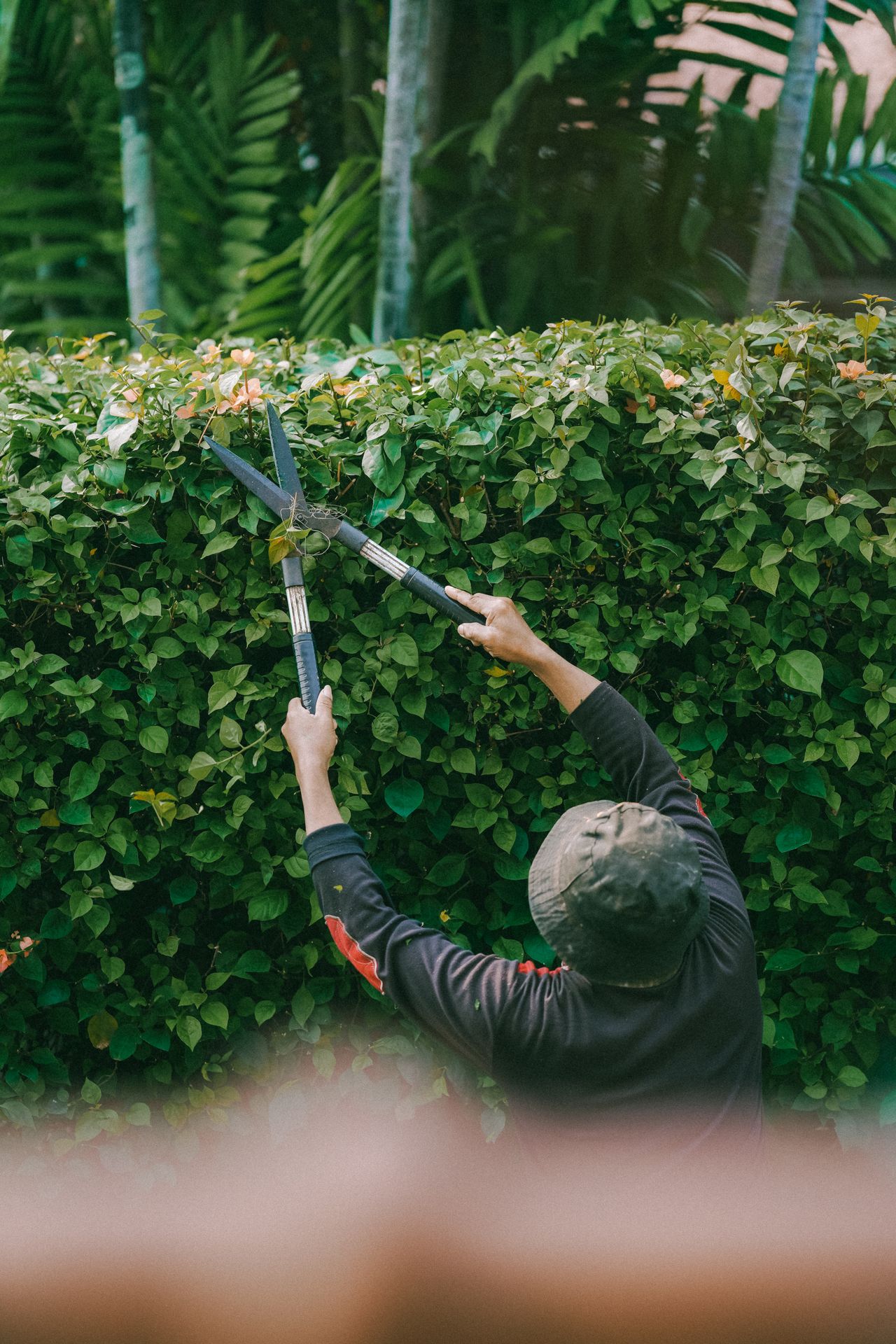
Garden Care Tips: A well-maintained garden is more than just an attractive feature—it creates a relaxing environment, supports local wildlife, and provides an inviting extension of your home. Whether you have a compact courtyard or a spacious family garden, regular care helps plants thrive while keeping outdoor spaces enjoyable throughout the year.
The good news is that maintaining a healthy garden doesn’t have to be complicated. A few consistent habits and seasonal tasks can make a significant difference, ensuring your outdoor space remains vibrant, organised, and full of life.
Establishing a Regular Garden Maintenance Routine
Consistency is one of the most important aspects of successful gardening. Small jobs completed regularly are often far easier than tackling an overgrown garden after months of neglect.
Many homeowners choose professional Garden maintenance services to keep lawns, borders, hedges, shrubs, and seasonal planting in excellent condition throughout the year. Regular maintenance can include grass cutting, weeding, pruning, hedge trimming, planting, lawn care, and seasonal garden rejuvenation, helping outdoor spaces stay healthy and attractive while reducing the amount of work required from homeowners.
A structured maintenance routine also allows potential problems to be identified early, preventing minor issues from becoming costly repairs or large-scale landscaping projects.
Looking After Your Lawn
A healthy lawn provides the perfect foundation for any garden design.
Simple lawn care practices include:
- Mowing little and often
- Watering deeply during dry periods
- Feeding during the growing season
- Removing weeds promptly
- Aerating compacted soil
- Overseeding worn patches
These straightforward tasks encourage stronger root growth and create a greener, more resilient lawn.
Pruning for Healthier Plants
Pruning is about much more than keeping plants tidy. Removing damaged or overcrowded growth improves airflow, encourages flowering, and supports long-term plant health.
Regular pruning benefits:
- Shrubs
- Roses
- Fruit trees
- Climbers
- Ornamental grasses
- Evergreen hedges
Using clean, sharp tools and pruning at the appropriate time of year helps plants recover quickly and continue growing vigorously.
Feeding the Soil Naturally
Healthy gardens begin with healthy soil. Adding organic matter improves soil structure, retains moisture, and provides nutrients that plants need to flourish.
Natural soil improvements include:
- Garden compost
- Well-rotted manure
- Leaf mould
- Bark mulch
- Organic fertilisers
Applying mulch around plants also helps suppress weeds while conserving moisture during warmer months.
Watering More Efficiently
Smart watering techniques promote stronger plants while reducing unnecessary water use.
For best results:
- Water early in the morning
- Direct water to the base of plants
- Use watering cans or drip irrigation
- Collect rainwater where possible
- Apply mulch to reduce evaporation
These simple habits encourage deeper root systems and improve drought resilience.
Encouraging Wildlife into the Garden
A healthy garden supports a diverse range of beneficial insects, birds, and pollinators that contribute to a balanced ecosystem.
Easy ways to attract wildlife include:
- Planting pollinator-friendly flowers
- Leaving small areas of long grass
- Installing bird feeders
- Adding a shallow water source
- Growing native species
- Creating log or leaf piles for insects
Even small gardens can become valuable habitats while benefiting from natural pest control and improved biodiversity.
Planning with the Seasons
Gardens change continuously throughout the year, making seasonal care essential for maintaining their appearance and health.
Spring is ideal for planting and feeding, summer focuses on watering and deadheading, autumn is perfect for dividing perennials and clearing leaves, while winter offers opportunities for structural pruning and planning future improvements.
Working with the natural rhythm of the seasons keeps maintenance manageable and allows the garden to perform at its best all year round.
Final Thoughts
Creating a healthier outdoor space doesn’t require complicated techniques or constant attention. Regular maintenance, thoughtful planting, healthy soil, and seasonal care all contribute to a garden that is both beautiful and resilient.
By adopting simple gardening habits and investing time in routine care, homeowners can enjoy an outdoor space that enhances their home, supports local wildlife, and provides a peaceful retreat throughout every season.