Your home’s plumbing is really important, a home runs on water you rarely stop to think about. Taps, pipes, and the boiler all work quietly in the background until something goes wrong. A little regular care keeps them that way.
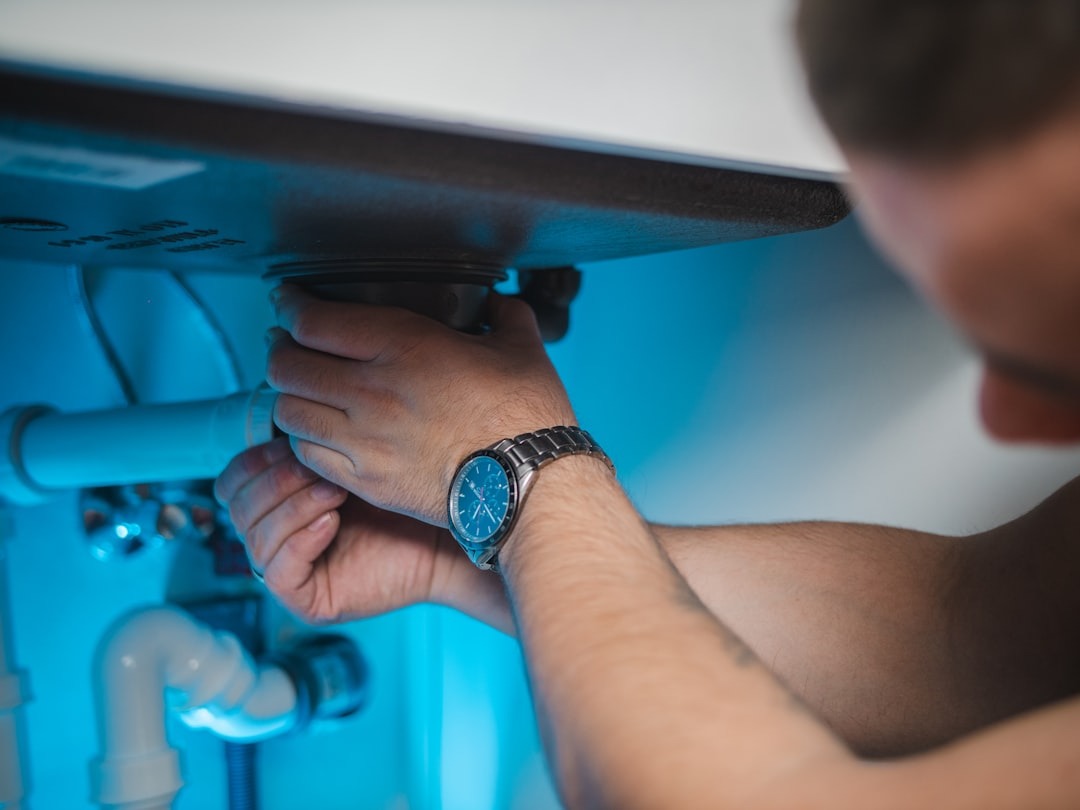
Photo by Timur Shakerzianov on Unsplash
Alt text: A person kneeling to check the pipes under a kitchen sink with a wrench
Looking after your plumbing is not glamorous, but it saves money and worry. When a fault does appear, many households across the capital call in a trusted local team like Homecure Plumbers in North London to put it right quickly. This guide covers the simple habits that keep your home’s water flowing all year.
Why Does Home Plumbing Deserve Regular Attention?
Because small problems rarely stay small. A slow drip or a strange noise is often an early warning.
Water damage is quiet and costly. A hidden leak can rot floorboards, stain ceilings, and feed damp long before you spot the real bill.
Waste adds up too. A single dripping tap can waste up to 5,500 litres of water a year, according to WaterSafe. Leaving a tap running while you brush your teeth adds roughly 24 litres per person each day.
The lesson is simple. Steady attention protects both your home and your budget.
What Simple Habits Keep Your Pipes Healthy?
A few steady habits do most of the work. None of them take long or cost much.
- Watch what goes down the drain. Fat, wipes, and coffee grounds cause most blockages.
- Run taps you rarely use. A quick flush clears standing water and stale smells.
- Clear limescale from shower heads and taps every few months.
- Learn where your stopcock is. You can then shut off the water in seconds during a leak.
- Check under sinks for damp patches once a month.
Each habit removes a small risk. Together they keep the whole system in good order. For a fuller routine, this guide on how to maintain your plumbing is a handy place to start.
How Do You Spot a Problem Before It Gets Worse?
Watch, listen, and feel. Your senses catch most faults early.
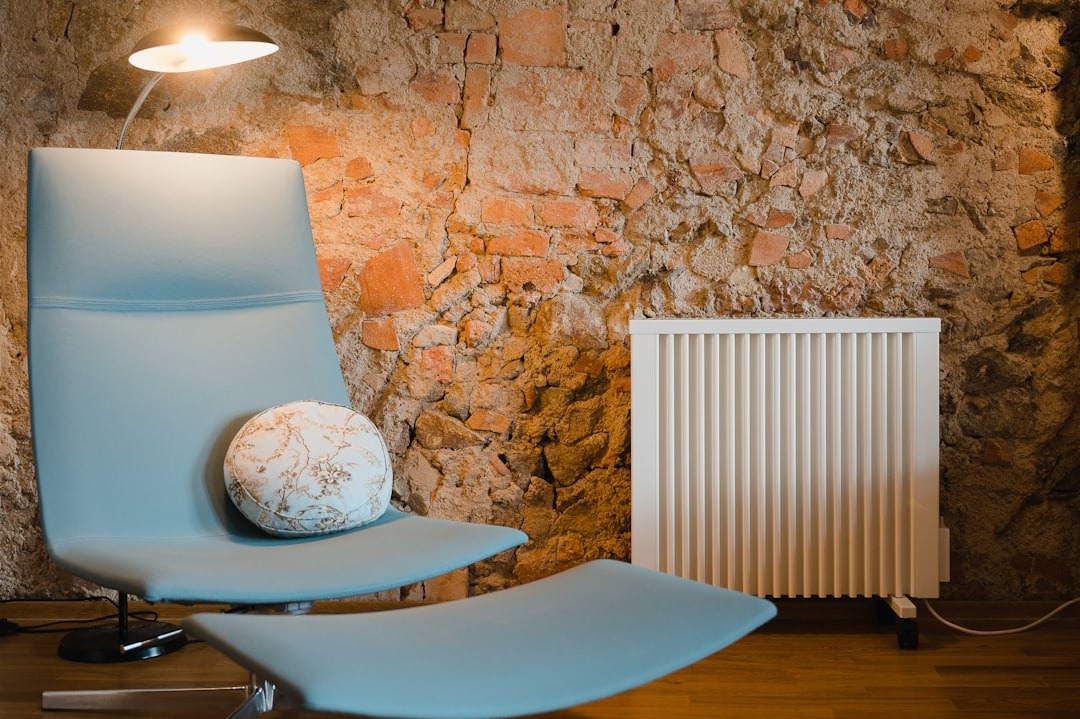
Alt text: A modern white home radiator with a thermostatic valve mounted on a wall
A musty smell near a cupboard often points to a slow leak. Damp patches, peeling paint, and warped wood tell the same story. Catching these signs early keeps a small repair from turning into a big one.
What Do Low Pressure and Noisy Pipes Mean?
Weak water pressure can signal a leak, a blockage, or a fault at the boiler. Banging or gurgling pipes usually mean trapped air or loose fittings.
Neither sign should be ignored. A quick check now is far cheaper than a burst pipe later. Keep an eye on your water bill as well, since a sudden rise often points to a hidden leak.
A simple meter test helps too. Note the reading last thing at night, then check it again before anyone uses a tap. A change with no use points to a leak somewhere in the system.
Which Plumbing Jobs Are Safe to DIY?
Some jobs are simple. Others need a qualified professional and the right tools.
- Fine to try yourself: changing a tap washer, plunging a blocked sink, or bleeding a radiator.
- Call a professional: a burst pipe, low or no hot water, or a leak you cannot trace.
- Never touch: anything involving gas or the inside of the boiler.
A few basic tools make the safe jobs easier. A plunger, an adjustable spanner, and a roll of PTFE tape cover most small fixes. If a job needs more than that, it is usually a sign to stop and call someone qualified.
Knowing the line keeps you safe and saves money. If you are planning bigger works, sort out the renovation plumbing before the walls go back up.
How Should You Care for Your Boiler and Heating?
With one annual check and steady pressure. Your boiler is the heart of the home in winter.
Safety comes first. The HSE sets out clear gas safety guidance for every home, advising that gas appliances are checked at least every 12 months by a registered engineer. A yearly service also keeps the boiler efficient and spots faults early.
A few numbers help day to day. Most boilers run best at 1 to 1.5 bar of pressure. Set a stored hot water cylinder to around 60 degrees to limit bacteria, and a room thermostat near 18 to 21 degrees for comfort.
Radiators need attention too. A cold patch at the top usually means trapped air, and a quick bleed with a radiator key restores the heat. Even warmth across each panel is a good sign the system is balanced.
Winter needs extra care. Lag any exposed pipes so they do not freeze and split when the temperature drops below 0 degrees.
A Quick Home Plumbing Checklist
- Know where your stopcock is and test that it turns.
- Keep fat, wipes, and grounds out of the drains.
- Check under sinks and around the toilet for damp once a month.
- Fix a dripping tap early to save water and money.
- Book a boiler service every 12 months with a registered engineer.
- Lag exposed pipes before the first cold snap of winter.
Keeping the Water Flowing
Healthy plumbing is rarely about luck. It comes from small, steady habits and knowing when a job is beyond you. Look after the taps, drains, and boiler through the year, and call a trusted professional for the bigger faults. Your home stays dry, warm, and calm as a result.
Frequently Asked Questions
How often should I service my boiler?
Aim for one service every 12 months by a registered engineer. A yearly check keeps the boiler safe and efficient and catches small faults early. It also helps protect any manufacturer warranty on the unit.
What should I do first if a pipe bursts?
Turn off the water at the stopcock straight away, then switch off the boiler. Open the taps to drain the system and limit the flooding. Call a professional once the water is off and the area is safe.
Why has my water pressure suddenly dropped?
A sudden drop often points to a leak, a blockage, or a problem at the boiler. Check whether it affects one tap or the whole home, as that helps locate the cause. If it does not return quickly, ask a plumber to investigate.
Can I stop my pipes from freezing in winter?
Yes, and a little preparation goes a long way. Lag exposed pipes, keep the heating on low during very cold spells, and fix draughts near pipework. These simple steps help water keep moving below 0 degrees.