
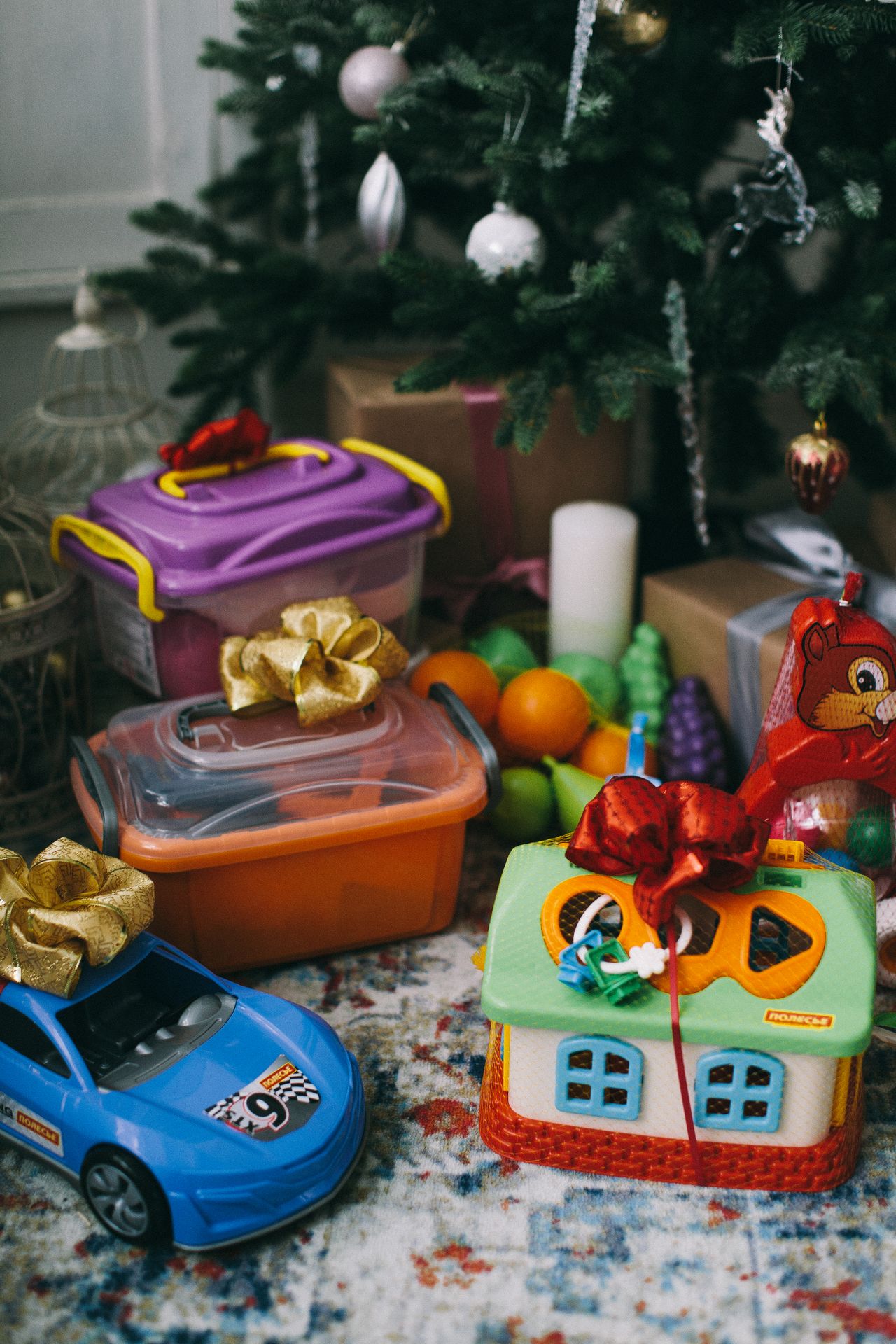
There’s a particular sort of panic that arrives around the second week of December with the Christmas toy plan. The list is half written, the big present hasn’t been chosen, and every website is suddenly telling you the delivery cut-off is Thursday.
It doesn’t have to go that way. A bit of planning now, while the shops are still calm, takes most of the stress out of it and usually leads to better presents too. Here’s a simple way to organise the whole thing.
Start with a one-page plan
Before you buy anything, write down each child’s name and three columns: one big present, a few medium ones, and a pile of small things for the stocking. Put a budget next to each child. It sounds fussy, but it stops the quiet creep of “just one more thing” that makes the total balloon by Christmas Eve.
Look at what they already own too. Half the battle is avoiding duplicates, and a quick audit of the toy cupboard will show you what’s loved, what’s outgrown and what’s missing.
Choose the big present first
The main present sets the tone, so decide on it early. For children of about four and up who’d rather be outside than anywhere else, little beats a bike. Browse a good range of kids’ bikes and you’ll find that sizes are based on wheel diameter rather than age, so measure your child’s inside leg and check they can sit on the saddle with the balls of both feet on the ground.
Big items need more planning than most. They take time to arrive, they need somewhere to hide, and many come partly assembled. Ordering in November gives you time to build it, tighten everything up and have it checked over before it’s wrapped or, more realistically, covered with a blanket.
Remember a helmet. It’s easy to forget, and a bike without one isn’t ready to ride.
Think about where it will live
A present only works if it fits real life. Ask yourself where it will be stored and where it will be used. A bike needs somewhere dry to sit overnight and a safe place to ride. A big playset needs floor space. If either answer is “I’m not sure”, it’s worth rethinking before you buy.
Add something imaginative
A balanced Christmas has more than one type of present. Alongside the big active item, include something for quieter moments. For younger children there are few better options than a doll set that arrives with furniture, outfits and accessories, because play can start straight away on Christmas morning rather than stalling while somebody looks for the missing pieces.
Check the contents before you commit. Pieces that work with toys already in the house are the most useful, and flexible accessories beat single-purpose props that get forgotten by January.
Don’t forget the small stuff
Stockings are where patience gets tested, because there’s always one more thing to find. Fill them with things that cost little and get used: drawing pads, stickers, a puzzle, a torch, a bath toy. Aim for variety rather than quantity, and include something to do, something to eat and something to read.
A rule many families like is four gifts per child: something they want, something they need, something to wear and something to read. It’s easy to remember and keeps things in proportion.
Order early and keep a record
Make a note of what you’ve bought, where it came from and when it should arrive. A simple list on your phone is fine. It’s far easier to track deliveries when you know what you’re waiting for, and it makes returns simpler if something isn’t right.
Keep order confirmations in one place too. If an item turns up faulty or the wrong size, you’ll want to sort it out in good time rather than on the 23rd.
Share the load
If relatives are buying too, a quick message about what you’ve already got covered avoids doubles. A short list of ideas, with sizes where relevant, usually goes down well, and it gives everyone a better chance of choosing something that will be used.
Plan for Christmas morning
The day itself is easier with a few preparations. Have batteries ready for anything that needs them, and a screwdriver within reach. Charge anything rechargeable the night before. Keep scissors handy for the packaging, which is always tougher than expected.
Spread the opening out if you can. Taking turns, with a pause between presents, lets each child enjoy what they’ve got and takes the edge off the usual frenzy.
After the day
A few weeks after Christmas, it’s worth a tidy. Put half of the new toys away and bring them out again in February, when the novelty of the first lot has worn off. Children greet them like new, and it spreads the joy across the winter rather than packing it into a single week.
That’s the whole plan: a list, a budget, one well-chosen big present, something imaginative and a stocking of small things. Get those in order before December and the rest tends to look after itself.


