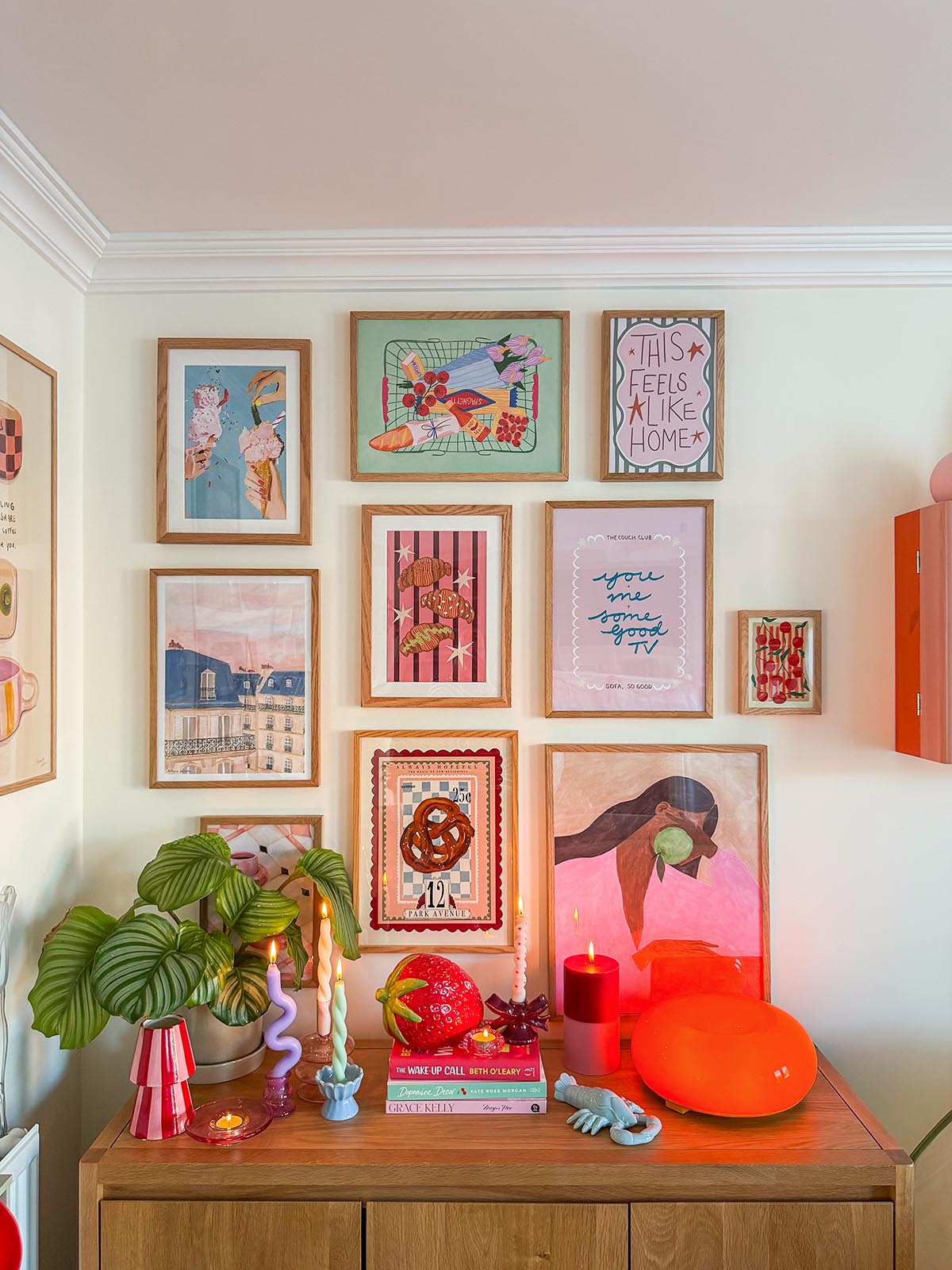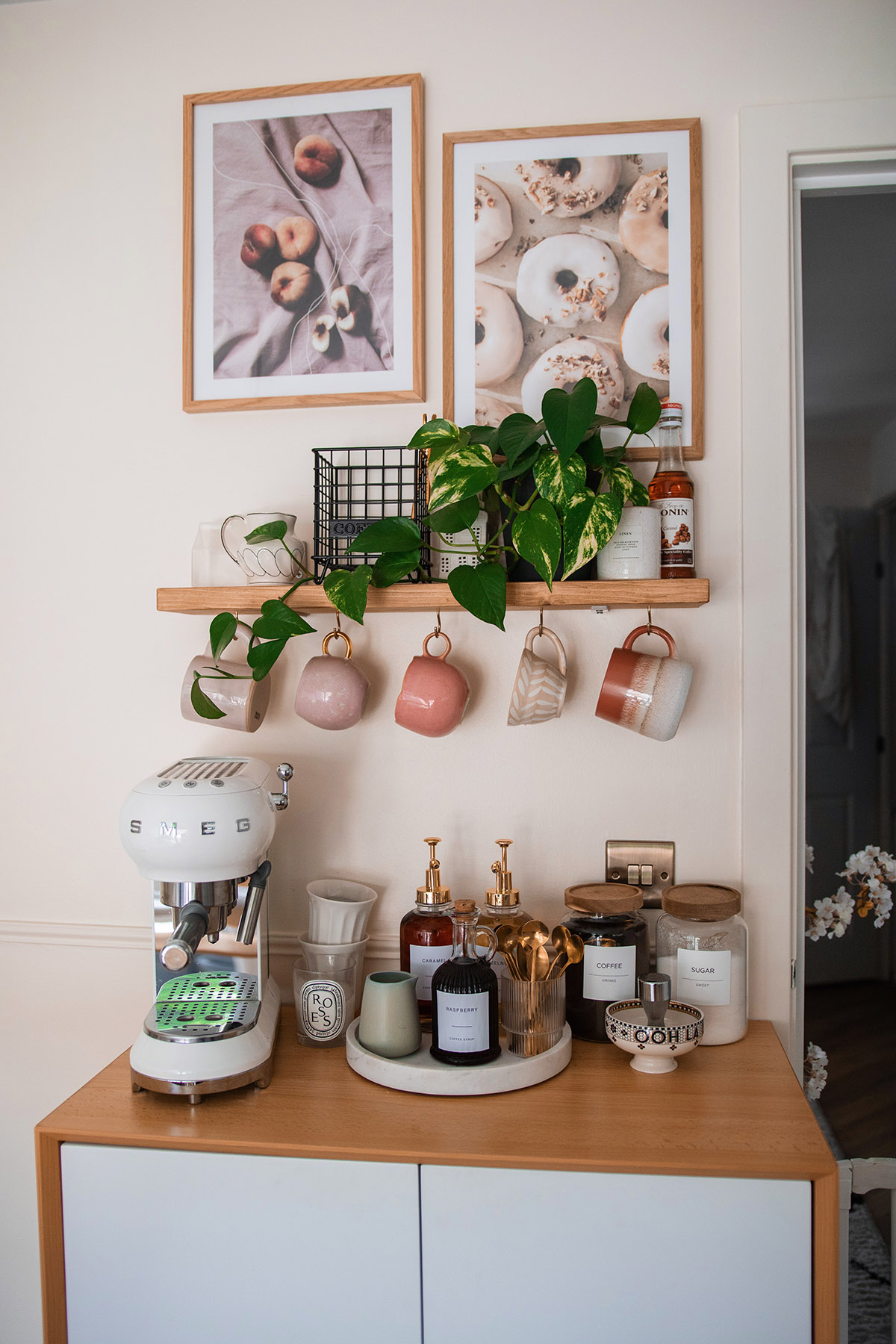

The renewed centrality of the 1970s is a trend that, in recent years, has been dominating the interior design landscape. The reasons are many, with the creative ferment that defined that decade clearly taking center stage — a period to which we owe a great deal when it comes to the relationship between art and society.
How can the vibes of that era become the protagonists of our domestic spaces? Let’s explore a few practical ideas together.
His Majesty the sofa
When the goal is to pay tribute to the 1970s through furnishing choices, a good starting point is the sofa.
If today the tendency is to focus on seating systems that, while echoing natural forms, lean toward minimalism, back then the keyword was creativity.
A successful example of this approach can be found in a symbolic piece from that period, still highly sought after today: Maralunga by Vico Magistretti, a sofa produced by the brand Cassina, an excellence of made-in-Italy design whose products can be purchased online through specialized platforms such as Classicdesign.
Introduced to the world in 1973 and awarded the prestigious Compasso d’Oro six years later, this sofa stands out for its unmistakable sculptural backrest, which can be raised or lowered depending on the desired level of comfort at any given moment.
The 1970s represented a turning point in the field of furniture design, marking the shift from a focus on pure aesthetics to the strength of the concept.
In the case of the sofa, the element mentioned above changed the rules of the game by highlighting multiple possible uses, paving the way for designers’ choices in the following decades and for the pursuit of maximum personalization.
As already noted, finding this and other iconic pieces requires turning to specialized retailers, the only way to obtain full guarantees regarding authenticity.
Wooden details in the spotlight
Another way to reference the 1970s coherently in interior design choices is through wooden details. This material should be selected, whenever possible, in warm-toned essences, with walnut standing out as a prime example.
When it comes to pairings, one of the most successful combinations is with brass — an ideal synergy for creating a refined, characterful material effect.
Chaise longue? Yes, please!
Let’s return our exclusive focus to the living room to discuss another fundamental rule, alongside the aesthetic — and conceptual — importance of the sofa: placing a chaise longue in its immediate vicinity.
A true ally of relaxation and a symbol of lightness and carefree living, it should be chosen with a strong, tactile upholstery — velvet is an excellent option — and in neutral colors such as grey, which pairs particularly well with shades like dark brown, often central when opting for a sofa with a vintage mood.
1970s vibes in the smart working corner too
Back then it was called a study; today we use expressions such as “smart working corner”. What remains unchanged is the fact that, when there is a space dedicated to work within the home, it needs to be furnished with care.
Even in this area of the house, it is possible to highlight the typical mood of the 1970s.
Let’s start with the desk, keeping in mind that, regardless of the material it is made from, it should be generous in size and characterized by the presence of drawer systems beneath the work surface.
To be truly in line with 1970s trends, it is best to choose a wooden desk.
Alternatively, glass works just as well.
What really matters is paying close attention to accessories, starting with the desk lamp, which should be made of materials such as metal and feature a particularly striking, scenographic design.
As for the chair, the best options — while always respecting ergonomic principles — are models upholstered in faux leather and in warm colors such as brown.