
Listen to your body during exercise: There always seems to be a massive amount of information around about exercise, and when you boil it all down, most of it tends to be about doing more, pushing further, and not slowing down. But the truth is that it’s the people who train consistently rather than the ones who push themselves too much who really get the results and the benefits they’re looking for.
And how do they learn to train consistently? They listen to their bodies and pay attention to what they’re trying to say – that means they notice what’s going on while they’re moving, and they adjust things before it all goes too far in the wrong direction and they end up getting hurt or disheartened. So with that in mind, here’s how to listen to your body during exercise.
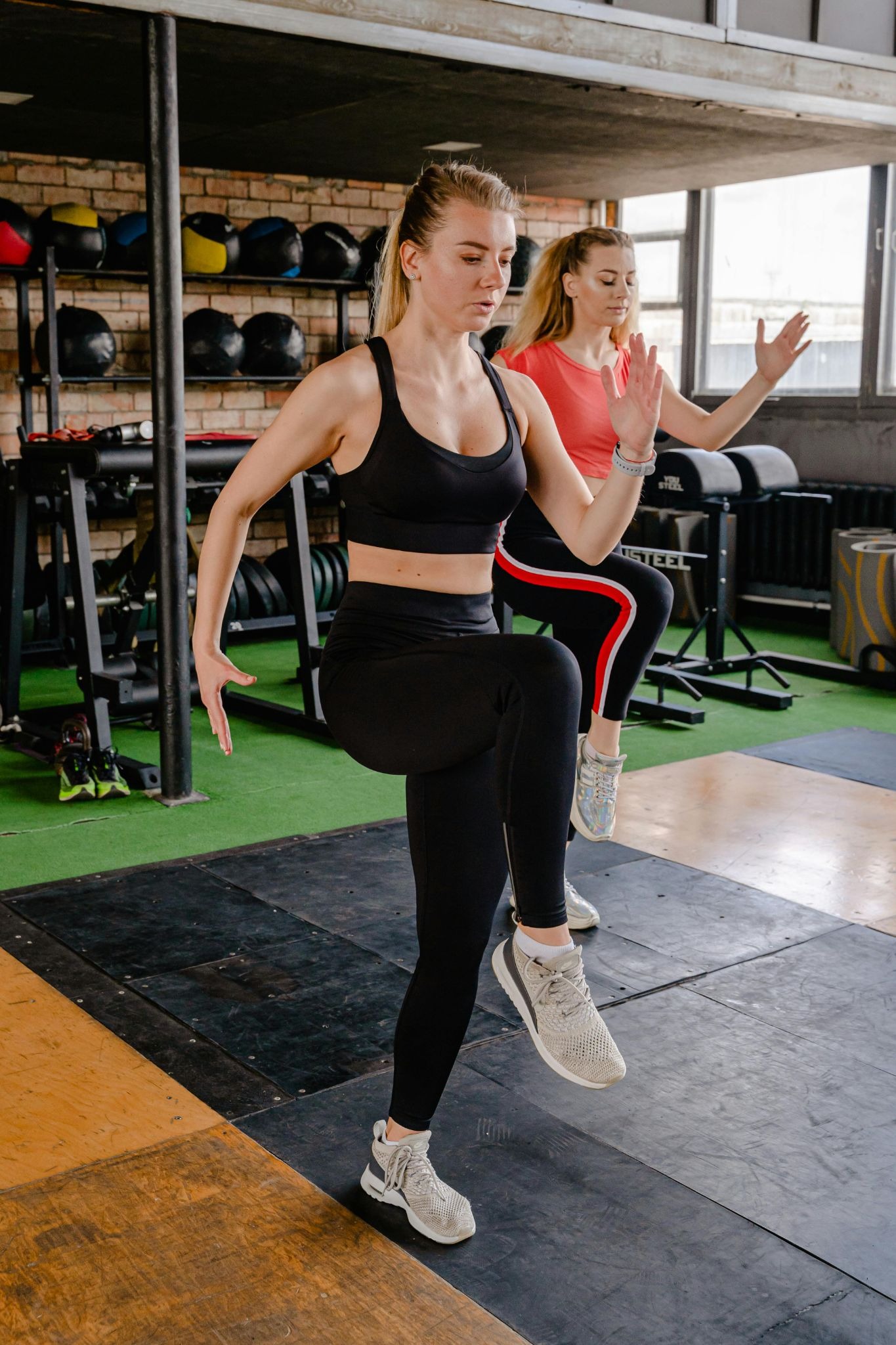
Understand The Difference Between Effort And Strain
Not all discomfort is the same, as strange as that might sound, but most people aren’t entirely aware of that, so things can get a bit blurred. Basically, there’s the kind of effort that comes with working your muscles, and where things feel challenging but you’re still in control, and then there’s strain, which tends to feel like you can’t do anything about it, and you’re just getting hurt for the sake of it. There’s a big difference.
Getting familiar with that difference can take some time, but once you start to realise that you can differentiate between effort and strain, it becomes a lot easier to know when to keep going and when to ease off. If you ignore that line completely, it usually just leads to setbacks and injury that can take a while to recover from, meaning you lose some gains and motivation at the same time, so it’s wise to listen carefully and do what you need to do, whatever it happens to be.
Your Energy Levels Are Always Giving You Clues
Some days feel easy, some don’t (and that’s true even if you’re actually doing the same workout). The thing is, that’s totally normal, but it’s also something that’s definitely worth paying attention to rather than just brushing aside because you’ve still got to reach a certain target.
If your energy levels just feel low from the very start, it might mean your body needs a slower pace or perhaps you need to shorten your session, for example. The fact is that pushing through every time might work in the short term, but it’s going to catch up with you, and then you’ll be in trouble – and potentially you’ll be in pain as well.
And when you eat before you start is also important and can make a difference. You’ll need to think about what you eat, and pick something that’s going to give you energy on a steady basis, rather than giving you a jolt and then it all falling away quickly, leaving you feeling more tired and worn out than you did before. Something that a lot of people find helpful is the best vegan protein powder, which can be added to drinks and used through the workout, or before if that makes more sense. It keeps things more stable, and it can help muscles to recover as well.
Breathing Tells You A Lot
You’ve got to breathe, obviously, but most of the time you’re not going to think about it, unless it becomes harder because you’re exercising, and so on. But it’s actually worth thinking about a bit more, because it’s a good signal to help you work out whether you’re on the right track or not.
When your breathing is steady and controlled, that’s usually a pretty good sign that you’re working at a level that your body can handle. But if it becomes rushed or uneven, that’s often the perfect cue to slow things down slightly (or perhaps a lot, depending on what you’re doing and how hard it is to breathe!). You don’t always need to completely stop, but it’s wise to adjust just enough to bring things back under control.
Small Changes Keep You Moving
Listening to your body doesn’t always mean ending a workout early, and most of the time, that’s not what it means at all. Sometimes you just need to make small changes that allow you to keep going, but in a way that simply feels better – which makes a lot of sense when you think about it.
That could mean you need to lower the weight, for example, or reduce your pace, or perhaps take slightly longer rests between sets, and so on. These adjustments aren’t going to take away from the workout, and if anything, they help you get more out of it because you won’t have to stop and you won’t get injured and have to take a much longer break than you’d like.
Knowing When To Stop
There are going to be moments when stopping is definitely the right thing to do, and if you’re honest about it, it’s usually very clear when those moments are – if you feel any kind of sharp pain, dizziness, or anything that feels out of the ordinary, you shouldn’t just try to push through because you’ll probably end up doing more harm than good.
It can be frustrating to have to cut a session short, understandably, but that’s always the better option than dealing with an injury that keeps you out for weeks. And it’s not like you won’t have been warned either; your body will know when something’s not right long before anything actually happens.
Recovery Signals Start During The Workout
Your body is already going to be reacting to what you’re doing while you’re still exercising, as strange as that might sound, and fatigue, tightness, and how quickly you can recover between movements will all give you a good idea of how you’ll feel once you’re done.
If things start to feel a lot harder as you go on, it might be a sign that you’ve reached your limit for that session, and finishing at that point tends to leave you feeling stronger the next time rather than just completely drained.