
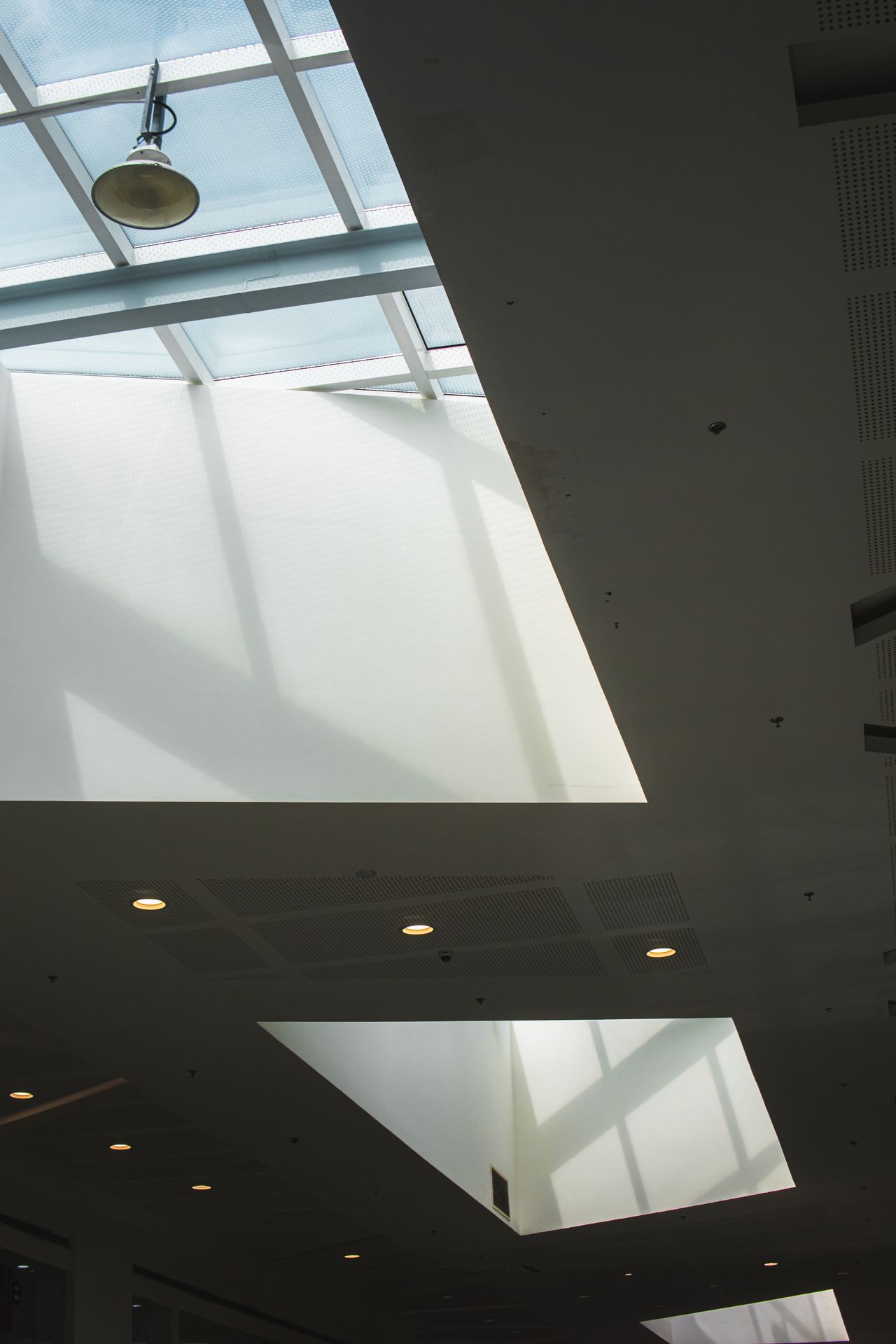
Did you know overhead glazing can completely transform your living space? The awkward bit is often halfway into the room. Garden doors are doing their job, but the worktop behind them has gone grey by noon. A stairwell sits in the middle of the house with no useful window nearby. Nothing is technically wrong. Those spaces simply feel flatter than they should.
Overhead glazing tackles that problem from above. In fact, there are other perks like how it brings out the more aesthetic, darker part of the room as its own source of daylight.
What Is Overhead Glazing and Why Is It Becoming So Popular?
As such trends get to become a hot topic for homeowners this year, thgere’s no doubt the benefits in the long run. For you see, overhead glazing is glass built into the roof, from standard rooflights and skylights to larger glazed sections. It has become more common as homes have opened up. Rear extensions are deeper. Kitchens now run into dining areas. Hallways and stairs can end up farther from an outside wall than they once were.
That extra depth matters. Light through a wall window is strongest close to the glass. A few metres in, it starts losing strength. Wide garden doors can make one end of a kitchen look bright while the original part of the room still needs a lamp.
Another window on the same wall may not change much.
A roof opening takes a shorter route. It also works where walls are already busy. Kitchen cabinets may fill one side. The next house may sit too close for a useful side window. An internal bathroom may need privacy.
There is another small attraction. The light changes with the sky. A cloudy morning looks softer. Clear afternoon light lands differently. An internal room starts feeling less shut away from outside.
How Overhead Glazing Changes the Look and Feel of Any Room
The difference tends to show up in ordinary moments.
The kitchen lights stay off through lunch. A landing no longer feels like the dull patch between two brighter bedrooms. On an overcast afternoon, the back of a room still has enough daylight to use comfortably.
The ceiling shape changes what happens too. With a flat ceiling, the rooflight normally sits above a light well. In a vaulted room, the glass feels more open because the roof line stays visible around it.
Placement does most of the real work.
A rooflight directly above a television can create glare. One over a dining chair may turn that seat into the warmest place in the room every summer afternoon. Those details become difficult to ignore once the space is being used every day.
Useful light matters more than maximum light. A smaller opening over the part of the room that actually needs help can be more successful than a huge pane fitted mainly for effect.
The Best Rooms to Install Overhead Glazing for Maximum Impact
Deep kitchens usually make the strongest case. A rear extension often leaves the new dining end bright while the original kitchen sits several metres farther from the garden. The awkward strip tends to sit somewhere between the two.
Stairwells are another good fit. There may be little outside wall to work with, yet clear roof space sits directly above. Light entering over the top flight can spill through the stair opening and reach the landing below.
Internal bathrooms have a different problem. They need daylight without sacrificing privacy. Utility rooms, dressing areas and home offices can run into similar limitations.
A few locations are worth checking first:
● the middle of a long kitchen or living space
● the top of an enclosed or partly open stair
● an internal bathroom
● a desk area set back from the main windows
● a hallway that stays dull well into the day
When homeowners compare Rooflights & Skylights UK options, the dark spot in the room is usually a better starting point than the biggest piece of glass the roof can carry.
Perfect symmetry can be misleading. A rooflight centred in the ceiling may look tidy on a drawing. On top of that, there’s the case of how if the kitchen island sits a metre to one side. No less, by shifting the glazing with, along with the first can make the daylight far more useful.
How to Choose the Right Overhead Glazing for Your Home
The room below should lead to the decision. Product photographs come later.
Orientation changes the character of the light. A north-facing opening tends to be softer. For you see, the matter for the south-facing glazing is that they get amplified from the sun. On the note, it is different for the East-facing rooflights as they are more noticeable in the morning. West-facing ones can become intense later in the day.
Then the roof gets a vote.
Flat roofs normally need a curb or upstand. Pitched roofs need the correct flashing for the covering. Slate, tile and membrane roofs are not interchangeable details. Rainwater still has to move around the opening without finding its way inside.
Size deserves some restraint. One large rooflight can create a concentrated patch of brightness. Two smaller openings may spread daylight more evenly along a deeper room.
Glass specification depends on what is happening below. A sunny kitchen may need solar-control glazing. A bathroom may need privacy glass. An opening rooflight may suit a room where warm air collects. Near a busy road, acoustic performance could matter more than another few centimetres of glass.
Furniture should be shown on the drawing before the opening is fixed. Tall cabinets can block borrowed light. A rooflight over a dining table behaves differently from one above an unused walkway.
Once the opening has a clear job, the product choice becomes much less vague.
The Energy Efficiency and Wellbeing Benefits of Overhead Glazing
The easiest energy saving to notice is the light switch. A hall or stair that once needed electric lighting through the day may not need it as often once daylight reaches the centre.
Heat needs more thought.
Glass does not behave like an insulated section of roof. A large opening can lose more heat during cold weather. Summer sun can make the room hotter than expected. A shaded rooflight behaves very differently from one facing strong afternoon sun. Solar-control glass may help.Blinds or external shading may also make sense in exposed positions.
Opening rooflights can let warm air escape from higher parts of a room. That may help in kitchens or upper floors where heat gathers, though the rest of the ventilation still needs to work properly.
The comfort benefit is less technical. A landing with daylight from above feels less buried in the house. An internal room begins to show whether the day outside is bright, cloudy or fading toward evening.
There is no need to dress that up with a grand wellbeing claim. A space that stops feeling gloomy before lunch is already more pleasant to use.
The unglamorous details still matter. Flashings, seals and upstands disappear once the ceiling is finished. If one is wrong, the first hard spell of rain tends to make it obvious.
Overhead glazing works best when it has a specific job. Maybe the middle of the kitchen needs help. Maybe the stairs are too dark. Maybe an internal bathroom has no sensible wall window.
A well-placed opening can fix that without making the glass the whole point of the room. The space should simply feel easier to live in once it is there.