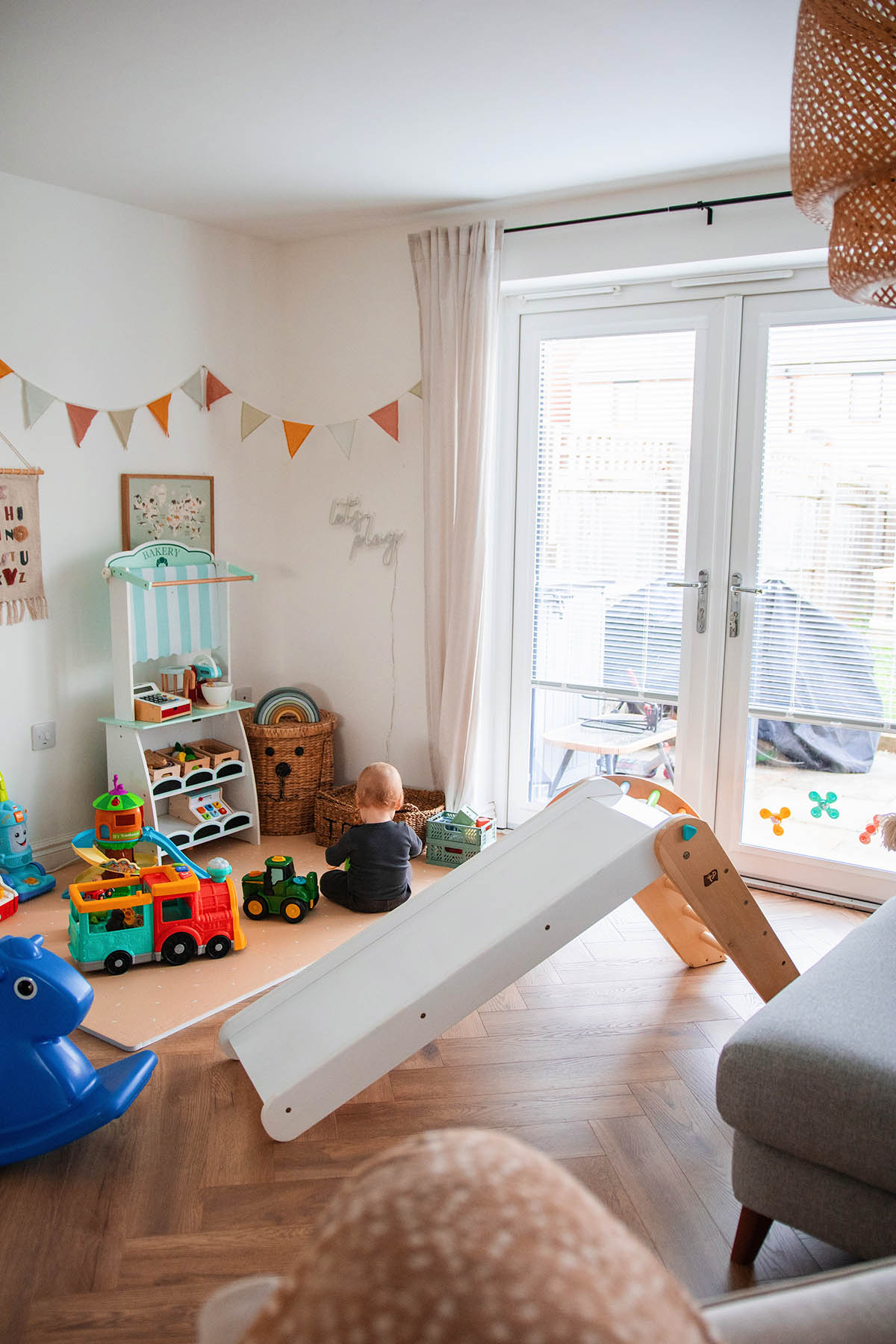

Juggling all the demands of modern family life can often feel like a constant whirlwind. Between school runs, work deadlines, and just keeping the household afloat, finding a moment of calm can seem totally impossible. But here’s the good news: you don’t need a complete overhaul to reclaim your time and sanity. Just adding a few clever home life hacks can help you streamline your days, dial down the stress, and create a more harmonious environment for everyone. These small changes can actually make a surprisingly big difference, helping your family life run much more smoothly.
Streamlining Daily Routines
Ever notice how a chaotic morning or a frantic evening can set the tone for the whole house? The secret to a calmer day often lies in simple, repeatable routines that lighten your mental load. Instead of making hundreds of small decisions every day, you can put common tasks on autopilot. For example, prepping lunches or laying out clothes the night before can save precious minutes and seriously reduce morning stress.
Try setting up a “launch pad” right near your front door. This dedicated spot for keys, wallets, school bags, and shoes means no more last-minute searches before you head out. Another super effective routine is the 15-minute family tidy-up. Before bedtime, set a timer and have everyone pitch in to put things back where they belong. It’s amazing what you can accomplish together in a short burst, and it stops mess from piling up. These are just a few simple life hacks to save time that can make your daily schedule feel much more manageable.
Smart Tools for Family Well-being
Technology can be a huge help when you’re managing a modern home and looking after your family’s well-being. Smart home devices, like thermostats that learn your schedule or lights you can control from your phone, can add a layer of convenience and efficiency to your life. These tools just work quietly in the background, taking one more thing off your plate.
Beyond convenience, some tools are super important for safety and awareness. Every home should have a well-stocked first-aid kit, but it’s also worth thinking about other resources you might need. For parents of teenagers, having tools that support open communication and responsible oversight is key. Keeping a saliva drug test kit on hand, for example, can be part of a broader family safety plan. Saliva testing provides a quick and convenient way to screen for multiple substances when concerns arise, giving parents information they can use when deciding whether further conversation or professional support may be appropriate.
Organising for Less Stress
Clutter is more than just a physical problem; it can actually add to your mental and emotional stress. A well-organised home feels more spacious, calming, and just easier to manage. You don’t need to become a minimalist overnight, but taking small steps to simplify and streamline your environment can have a powerful impact. Start with the “one in, one out” rule: for every new item that comes into the house, one similar item has to go. This works especially well for children’s toys and clothing.
Make the most of your space by thinking vertically. Tall shelving units and over-the-door organisers can dramatically increase your storage without taking up valuable floor space. Digital organisation is just as important. A shared family calendar app can sync everyone’s schedules, appointments, and commitments, preventing double-bookings and making sure everyone knows what’s happening. Similarly, shared shopping list apps mean you’ll never forget the milk again.
Creating a Calm Home Sanctuary
Your home should really be a refuge from all the pressures of the outside world. Creating a sanctuary is less about perfect interior design and more about cultivating a peaceful atmosphere, which can help in a less stressful life. Think about your senses. Soft lighting in the evenings, a few cosy blankets on the sofa, and a pleasant scent from a diffuser can instantly make a space feel more relaxing.
It’s also helpful to designate a “calm-down corner.” This doesn’t have to be a whole room; a comfy chair with a few books and cushions can serve as a quiet spot for anyone in the family to retreat to when they feel overwhelmed. Finally, consider implementing tech-free zones or times, like at the dinner table or for an hour before bed. Disconnecting from screens encourages more face-to-face connection and helps everyone’s minds to wind down, fostering a true sense of sanctuary at home.
Ultimately, building a happier, more efficient home is a journey of small, consistent efforts. Start by picking just one or two of these hacks to try this week, and you’ll soon feel the positive effects ripple through your family life.