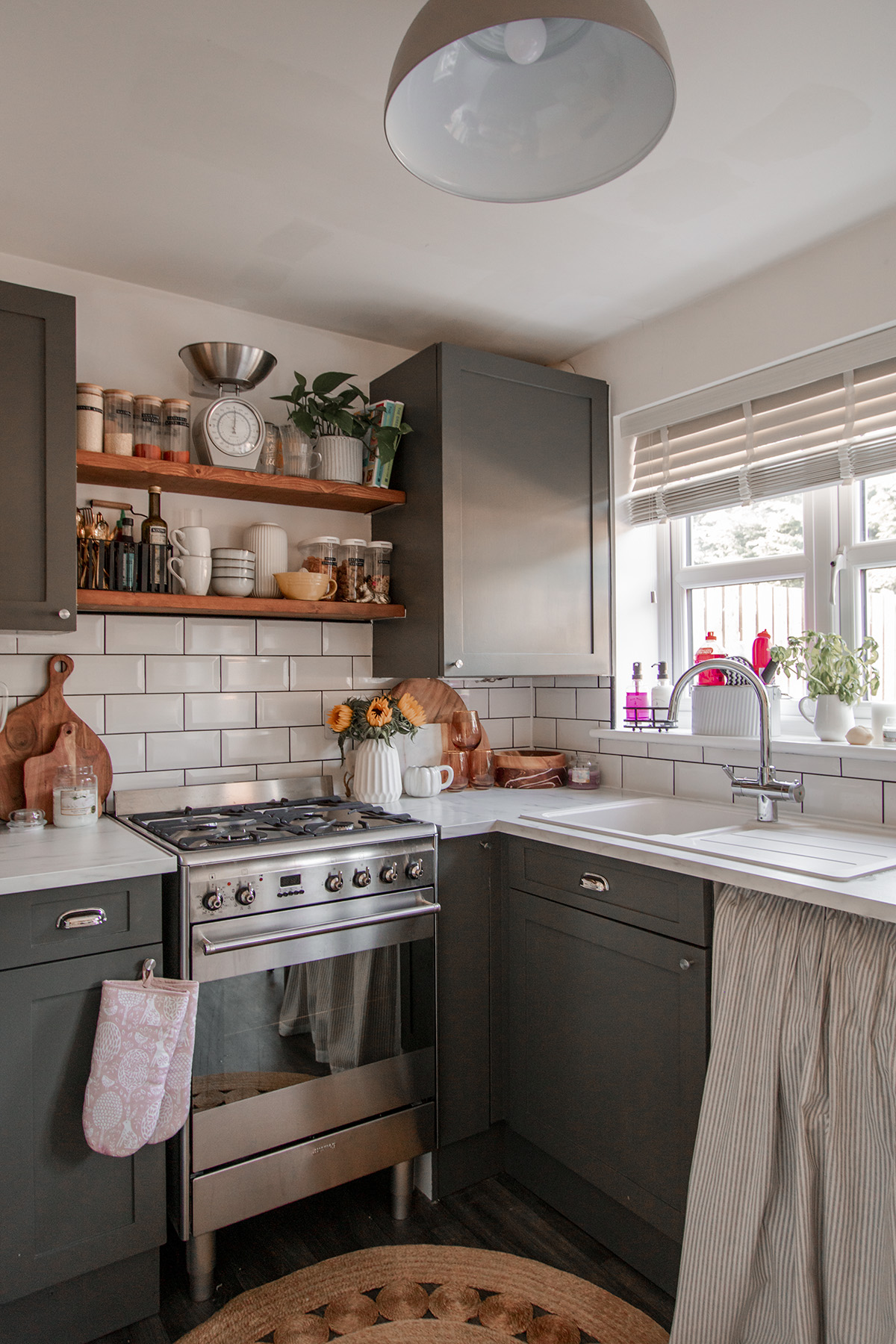

Every home tells a story — not just through the design choices and things that we place in it, but through the feelings those things create. The colour of a wall, the direction of the light, or the way furniture aligns within a room can change the way we experience a space entirely. Increasingly, interior design is no longer seen as a question of taste alone. It has become a study in psychology in how our surroundings influence our state of mind, our focus, and even our well-being.
The subtle influence of design on emotion
Environmental psychology has shown that humans instinctively respond to the spaces around them. Research from the University of Texas found that colours can influence mood, with soft blues and greens promoting calm, while warmer tones like orange and yellow evoke energy and social interaction. Similarly, the presence of natural light has been proven to enhance concentration and regulate circadian rhythms, improving both productivity and rest.
Even texture plays a role. Smooth, reflective materials such as glass or metal create a sense of modernity and precision, while tactile fabrics like wool and linen offer comfort and warmth. The key lies in harmony. When these details work together, they create a sense of emotional coherence that feels instinctively right.
Design Strategies in Physical and Digital Spaces
Design psychology appears in places most of us move through without thinking. Hospitals lean on gentle greens, rounded edges, and quieter surfaces so patients feel a little less on edge. Schools often use brighter, clearer colours to help students stay alert, and the way a corridor widens or narrows can change how quickly a group settles. Even supermarkets guide people with light and texture. A slightly rougher floor can slow shoppers near fresh produce, while warm light above a bakery makes the space feel welcoming. None of it feels dramatic, yet all of it nudges behaviour.
Sports facilities take the idea in their own direction. Home teams usually sit in rooms that feel steady and anchored, while visiting teams sometimes find harsher light or colours chosen to drain energy. Whether every coaching trick works or not, it shows how seriously people take the emotional temperature of a space.
Casinos are another example, though only one among many. Their interiors rely on warm colour and soft light to build a sense of ease. Some of that thinking has drifted online, where gaming platforms like NetBet borrow small pieces of the atmosphere through colour and pacing. It is not about copying a casino floor. It is more about using familiar emotional cues that help guide attention.
Seen together, these examples highlight how sensitive we are to our surroundings. The same principles that calm patients or lift students can shape our own homes. A shift in tone, a texture that softens a corner, the way light lands on a surface, these choices change how a room feels to live in. They are quiet adjustments, but they add up, and they remind us that interior design works on us long before we start thinking about style.
The digital eye for design
Digital tools have changed how people approach interior design. What once required magazines and professional consultations is now available through interactive apps and virtual design platforms. Homeowners can test wall colours through augmented reality, rearrange furniture in 3D, or draw inspiration from thousands of online images in seconds.
The influence of digital spaces goes beyond inspiration. The visual rhythm of social media, with its emphasis on symmetry, balance, and composition, has subtly shaped how people perceive their own homes. Many now view interiors not just as places to live, but as spaces to express identity and share online.
The emotional architecture of modern living
Good design works quietly. It influences behaviour without forcing it, and emotion without demand. In modern British homes, the best interiors are those that reflect individuality while maintaining a sense of ease. They tell stories through subtle contrasts, warm against cool, open against enclosed, light against shadow. These small choices shape the way people feel and move through their day.
The growing interest in interior psychology shows how deeply the home design choices have become tied to mental well-being. People no longer see their living space as a backdrop, but as a partner in their lifestyle — one that can calm, inspire, and sustain. As technology continues to merge with design choices, the art of creating balance becomes both more complex and more personal. The smallest adjustments, a shift in light, a change in tone, a new rhythm in layout, can make all the difference in how life feels inside four familiar walls.