Urban living increasingly means adapting to compact homes and apartments. Yet limited square footage needn’t translate into constrained, uncomfortable lifestyles. With thoughtful design choices and strategic planning, small spaces become efficient, stylish compact homes supporting diverse living needs. The key lies in viewing constraints as creative challenges rather than limitations. Small space living requires intentionality; every piece of furniture, every design decision serves purpose. This constraint often produces more thoughtfully designed homes than larger properties allowing indiscriminate accumulation. Successfully living in compact spaces involves understanding spatial psychology, selecting multipurpose furniture, and making strategic design choices that make rooms feel larger whilst maintaining comfort and functionality. This guide explores practical strategies transforming small spaces into homes you genuinely love.
Understanding Small Space Living Principles
The Psychology of Spatial Perception
Space perception involves more than physical dimensions. Colour, lighting, and visual organisation influence how spaces feel. Light colours and minimal visual clutter create illusions of spaciousness. Adequate lighting makes spaces feel open and inviting. Vertical storage draws eyes upward, emphasising height. Understanding these psychological principles enables strategic design creating spaces feeling larger than actual dimensions. These principles apply regardless of budget; smart choices cost no more than poor ones.
Intentional Living and Minimalism
Small spaces naturally encourage intentional living. When space is limited, every possession requires justification. This naturally promotes minimalism, keeping only items genuinely loved and used. Intentional living reduces clutter stress, simplifies cleaning, and creates peaceful environments. Many people discovering this approach whilst living small continue practising it even when more space becomes available. The habits developed prove beneficial regardless of housing size.
Furniture Selection for Compact Living
Multifunctional Pieces and Smart Choices
Furniture serving single purposes wastes precious space. Ottomans with hidden storage provide seating and organisation. Sofa beds accommodate guests without dedicated guest rooms. Nesting tables expand when needed, collapse when not. Coffee tables with shelves provide surfaces and organisation. Selecting furniture with multiple functions maximises utility without expanding footprint. Quality multipurpose pieces cost more initially but deliver better value through enhanced functionality.
Appropriate Furniture Scale and Proportion
Oversized furniture overwhelms small spaces whilst undersized pieces feel lost and ineffective. Furniture scale should match room dimensions. Lower-profile pieces make spaces feel less cramped. Floating furniture away from walls paradoxically makes rooms feel larger through improved visual flow. Glass or transparent furniture maintains sight lines preventing visual obstruction. Thoughtful furniture selection proportional to spaces ensures functionality without dominating environments.
Vertical Storage and Wall Utilisation
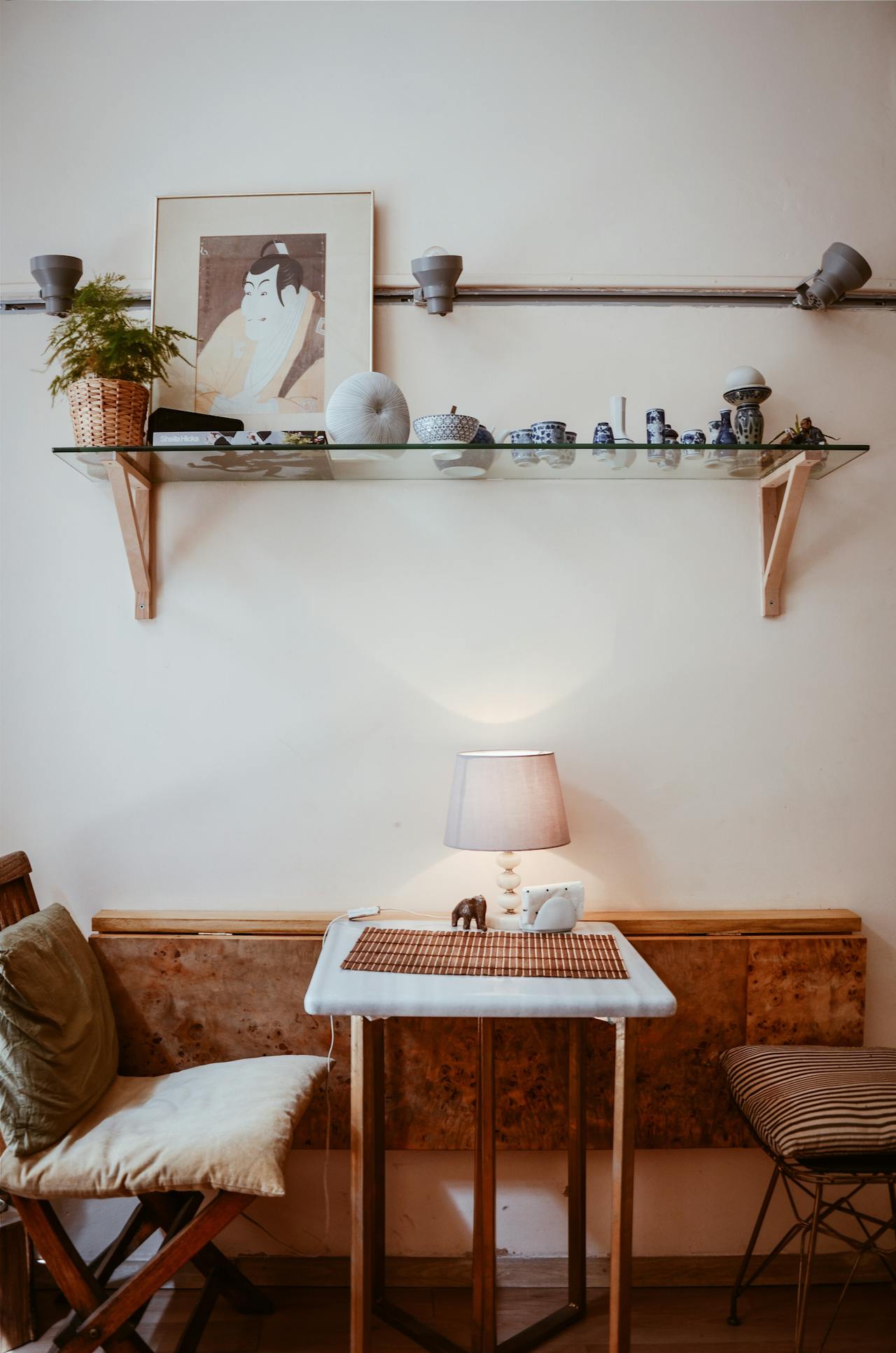
Walls represent underutilised storage potential in small spaces. Floor-to-ceiling shelving maximises vertical space. Wall-mounted desks disappear when not in use. Floating shelves add storage without floor footprint. Hooks and pegboards organise frequently used items. Utilising walls transforms limited floor space into functional, organised environments. Creative vertical thinking multiplies usable space without expanding square footage.
Design Strategies for Visual Expansion
Colour and Lighting Impact
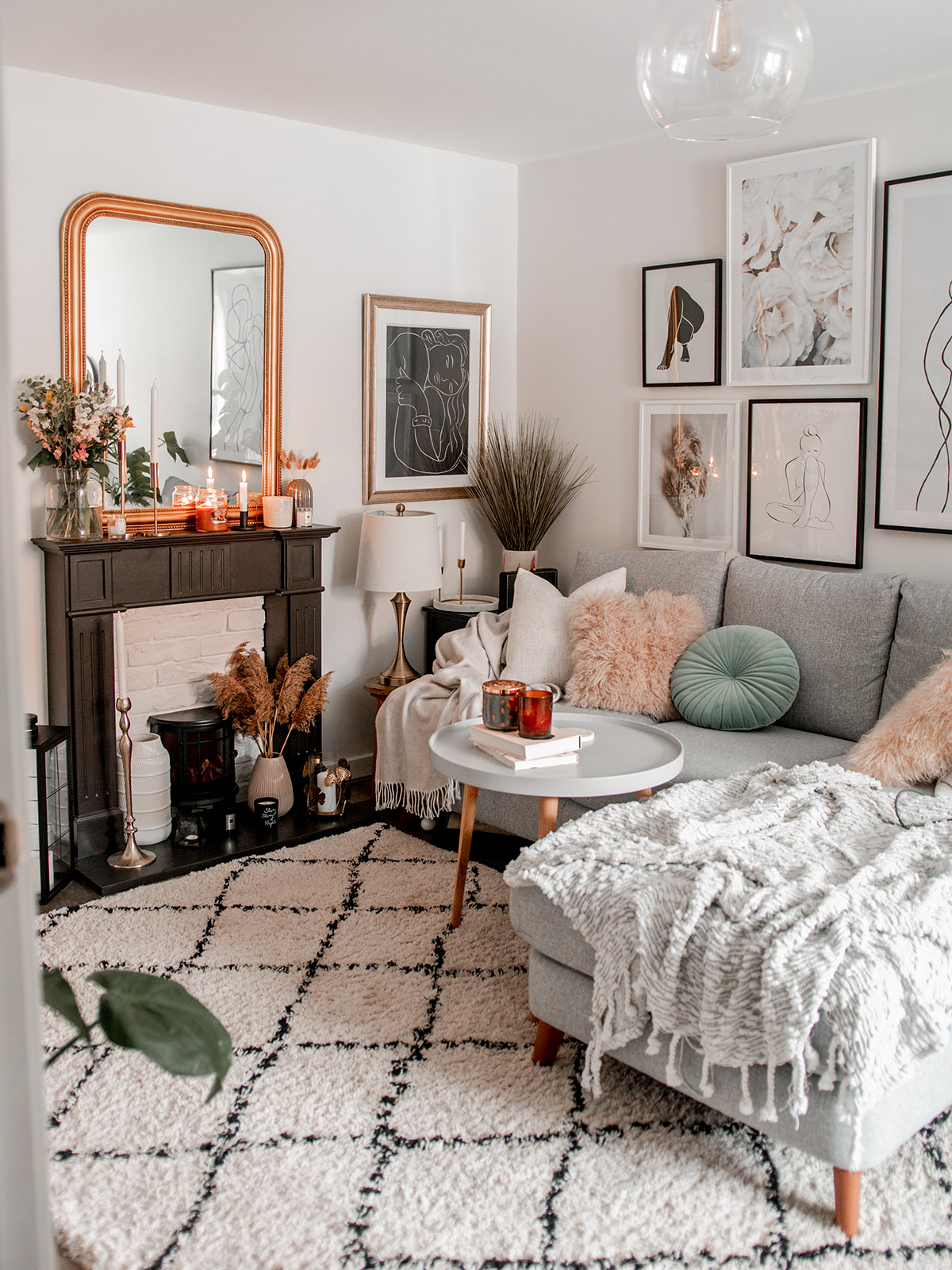
Light colours reflect available light, making spaces feel brighter and larger. Whites, creams, and soft greys work universally. However, accent colours through accessories add personality without overwhelming. Adequate lighting prevents shadows suggesting cramped spaces. Natural light maximises perceived openness. Strategic artificial lighting ensures small spaces don’t feel dark or claustrophobic. Combining light colours with excellent lighting transforms spatial perception dramatically.
Mirrors and Reflective Surfaces
Mirrors amplify light and create illusions of expanded space. Positioning mirrors opposite windows bounces natural light throughout rooms. Large mirror panels expand visual space. Reflective surfaces including glass tables and metallic accents enhance brightness. However, excessive reflectivity risks feeling cold; balance reflective elements with warm, textured materials. Strategic mirror placement costs little but significantly improves spatial perception.
Visual Organisation and Decluttering
Visual clutter makes small spaces feel smaller. Organised environments with designated storage reduce perceived crowding. Hidden storage containing everyday items maintains clean visual fields. Cable management preventing visible cords improves aesthetics. Minimising surface clutter and wall décor prevents overwhelming visual noise. These organisational choices cost little but significantly impact how spaces feel.
Functional Layout and Space Planning
Creating Distinct Zones
Open-concept small spaces benefit from subtle zoning distinguishing functional areas. Area rugs define living areas. Changes in flooring suggest transitions. Furniture arrangement can suggest room boundaries without walls. Lighting differences indicate functional zones. Thoughtful zoning creates psychological separation enabling multiple functions within limited space without feeling chaotic.
Maximising Natural Flow and Accessibility
Traffic patterns significantly affect spatial perception. Clear pathways preventing obstacle courses make spaces feel larger. Furniture arrangement should facilitate natural movement. Accessibility to essential items ensures functionality. Poor layouts requiring gymnastics to access furniture undermines comfort and usability. Strategic arrangement creates efficient spaces supporting daily life smoothly.
Strategic Furniture Arrangement
When considering how to maximise space in small living spaces, furniture arrangement becomes critical. Corner placement maximises usable floor area. Diagonal furniture arrangements create visual interest and flow. Avoid blocking windows and natural light sources. Consider sightlines from common seating ensuring visual openness. Professional designers recommend experimenting before permanent placement, using virtual planning tools exploring arrangements. Thoughtful arrangement unlocks potential constrained spaces possess.
FAQ Section
What furniture works best in small living rooms?
Multipurpose pieces providing storage and functionality optimise limited space. Sofa beds, ottomans with storage, nesting tables, and wall-mounted desks serve multiple functions. Lower-profile furniture maintains visual openness. Glass or transparent pieces prevent visual obstruction. Scale matters; appropriately sized furniture balances functionality without overwhelming. Prioritise pieces supporting your lifestyle; excellent design serves actual needs.
How do I prevent small rooms from feeling claustrophobic?
Light colours, adequate lighting, and minimal visual clutter prevent claustrophobic feelings. Mirrors expand perceived space. Vertical storage draws eyes upward. Organised storage containing clutter prevents overwhelming visual noise. Removing unnecessary furnishings creates breathing room. Plants add life without consuming precious space. These cumulative choices transform spatial psychology significantly.
Can I use bold colours in small spaces?
Yes, but strategically. Bold accent colours through single walls or accessories add personality without overwhelming. Keeping most surfaces light with bold accents as punctuation maintains openness. Bold colours work better in well-lit spaces than dim ones. Patterns should be small-scale, not overwhelming. The key is balance; one bold element alongside calmer surroundings prevents visual chaos.
What’s the best layout for small living rooms?
Layouts depend on specific spaces and lifestyles. Generally, floating furniture away from walls improves flow. Corners accommodate seating efficiently. Vertical storage maximises limited floor space. Keep pathways clear enabling natural movement. Arrange furniture supporting primary activities. Professional designers can assess your space specifically. Virtual planning tools allow experimentation before committing to arrangements.
How do I add storage without consuming floor space?
Vertical storage provides solutions without floor footprint. Wall shelves, hanging organisers, and pegboards create storage. Furniture with hidden storage maximises utility. Utilise under-bed and under-sofa space. Wall-mounted solutions including folding desks and drop-down tables disappear when not in use. Creative storage thinking transforms apparently impossible constraints into functional spaces.
Conclusion
Compact homes succeed through strategic design, thoughtful furniture selection, and intentional living. Limited square footage need not mean limited comfort or style. Understanding spatial psychology, selecting multipurpose furniture, and making calculated design choices enable small spaces to feel larger and more functional than their dimensions suggest. Many people discover they prefer intentional small space living to larger homes requiring endless maintenance and accumulation. The constraints of compact living often inspire more creative, organised, and genuinely satisfying homes than larger properties. By approaching small spaces as design opportunities rather than limitations, you create homes reflecting your personality and supporting your lifestyle beautifully. Small spaces teach valuable lessons about what genuinely matters, resulting in compact homes that are simultaneously efficient and deeply comfortable.