
Embarking on a successful home renovation is one of the most exciting projects you can undertake. It’s a chance to transform your living space, add value to your property, and create a home that truly reflects your interior design personality. However, turning that dream into reality requires careful planning and a clear understanding of the process. From initial ideas to the final finishing touches, here’s how to approach your home renovation project.
Defining Your Vision Clearly
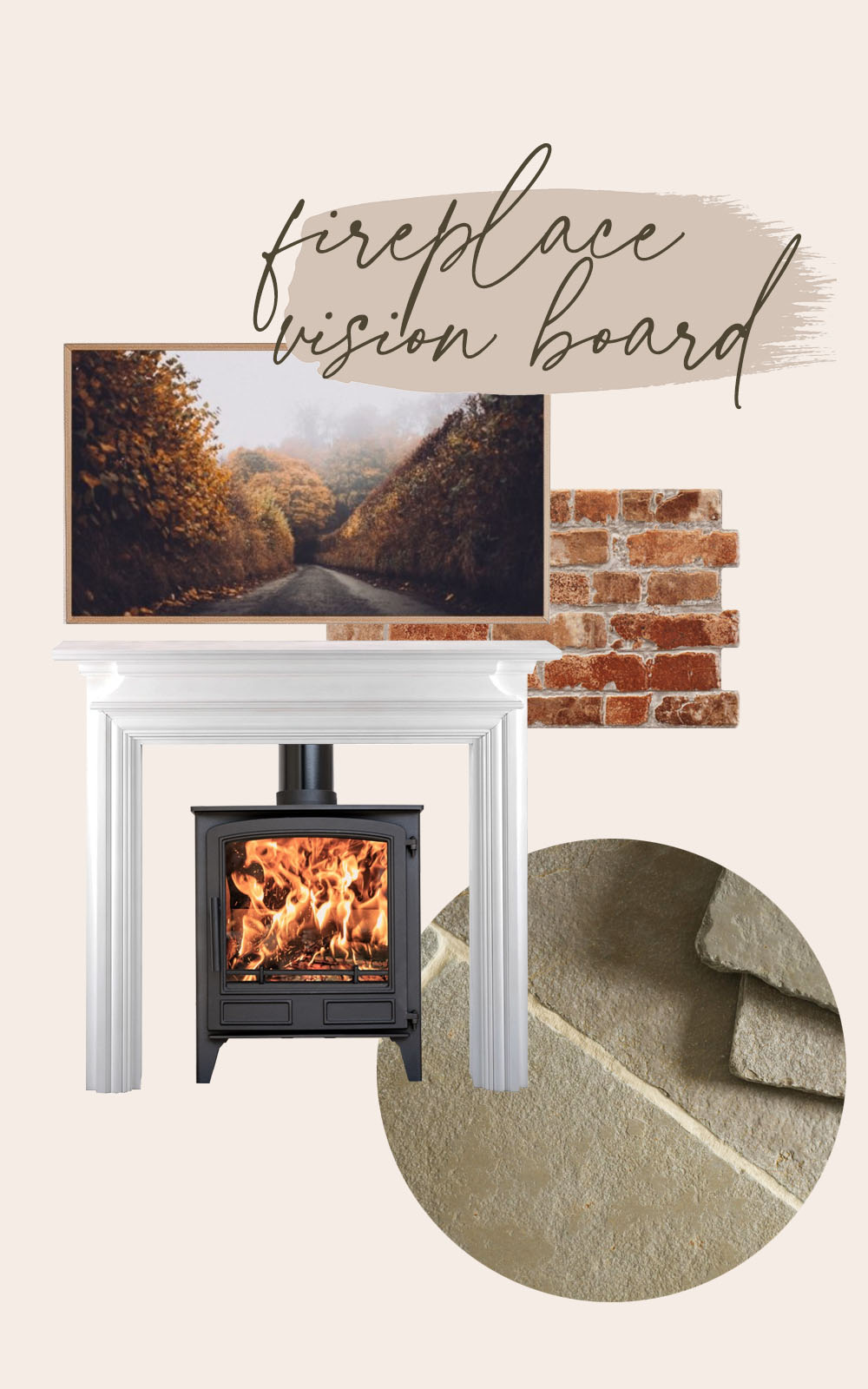
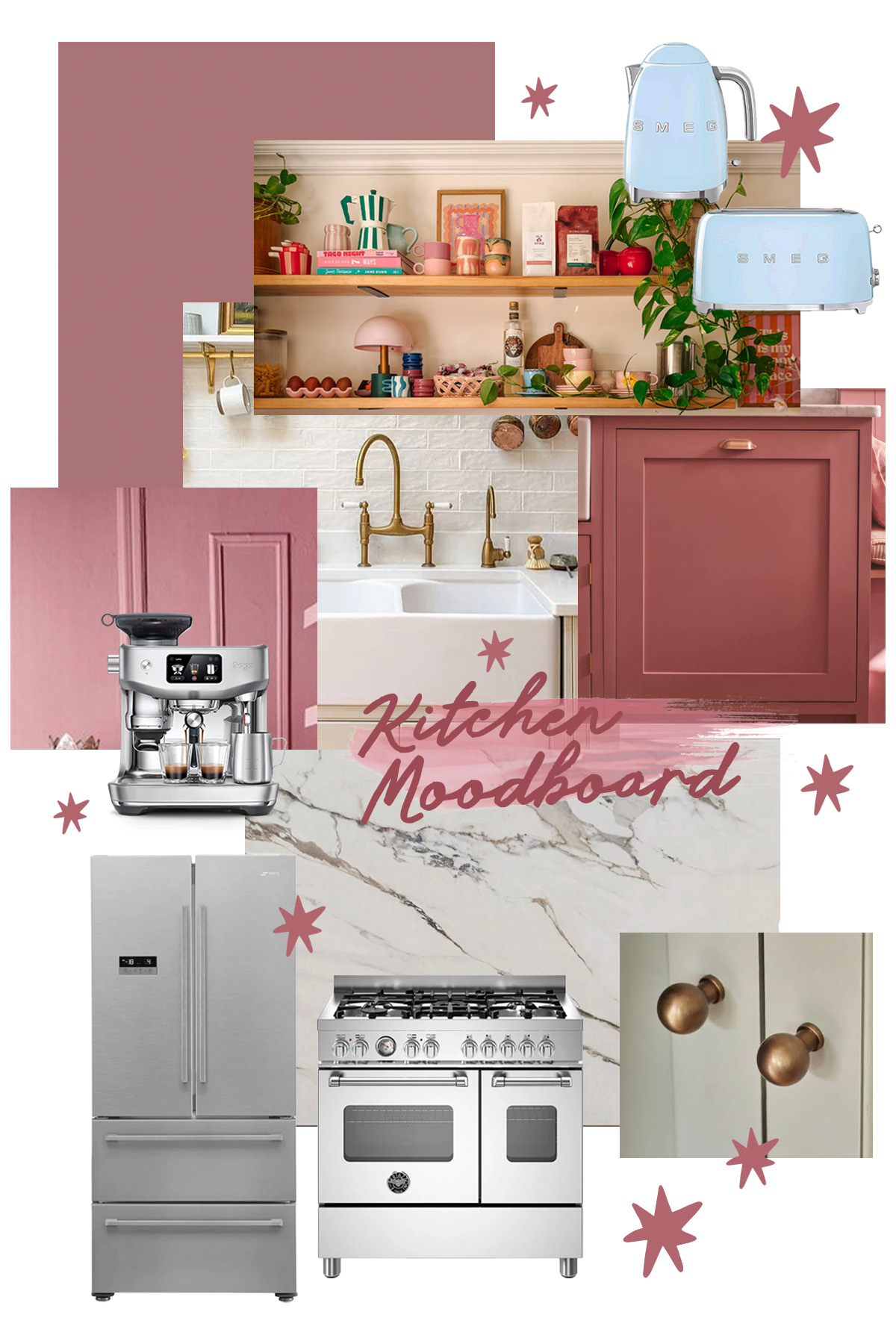
Before you even think about picking up a paintbrush, you need a solid plan. What do you want to achieve with your renovation? Are you looking for more space, a better layout or simply a style update? Start by gathering inspiration from magazines, Pinterest and social media to create a mood board. This will help you visualise the overall look and feel you’re aiming for.
It’s also crucial to set clear goals for what you need versus what you want. A new kitchen might be a necessity, whilst bi-fold doors might be a ‘nice-to-have’. Having this clarity from the beginning helps keep your project focused and on budget. Ultimately, a detailed house renovation design plan is the foundation of a successful project, ensuring everyone involved understands the final goal.
Understanding Planning Permissions
This is the less glamorous but absolutely essential part of many renovations. Depending on the scale of your project, you may need to apply for planning permission from your local council. Generally, internal cosmetic changes like decorating or fitting a new bathroom don’t require it. However, larger projects such as building an extension, converting a loft or making significant changes to the exterior of your home almost certainly will. It’s always best to check the official government guidance and your local council’s website before starting any work. Getting this wrong can be a costly and stressful mistake to fix.
Working with a Design Professional
Unless you’re a seasoned DIY expert, you’ll likely need to bring in professionals to help. This could include builders, electricians, plumbers and decorators. For larger projects involving structural changes or new layouts, working with qualified architects or an architectural designer is invaluable. They can help you refine your ideas, create detailed drawings, navigate the planning permission process and ensure the work complies with building regulations. A good professional will not only bring expertise and creativity but also project management skills that can save you time and stress.
Budgeting and Project Management
Your budget will dictate the scale and scope of your renovation. It’s important to be realistic about costs from the outset. Get at least three detailed quotes from different tradespeople for any work you’re not doing yourself. When you create your budget, be sure to include a contingency fund of around 10-20% of the total cost. This will cover any unexpected issues or expenses that almost always crop up along the way. Good project management involves coordinating timelines, managing trades and making sure everything runs smoothly, which is a huge job in itself.
Bringing Your Interior Style to Life
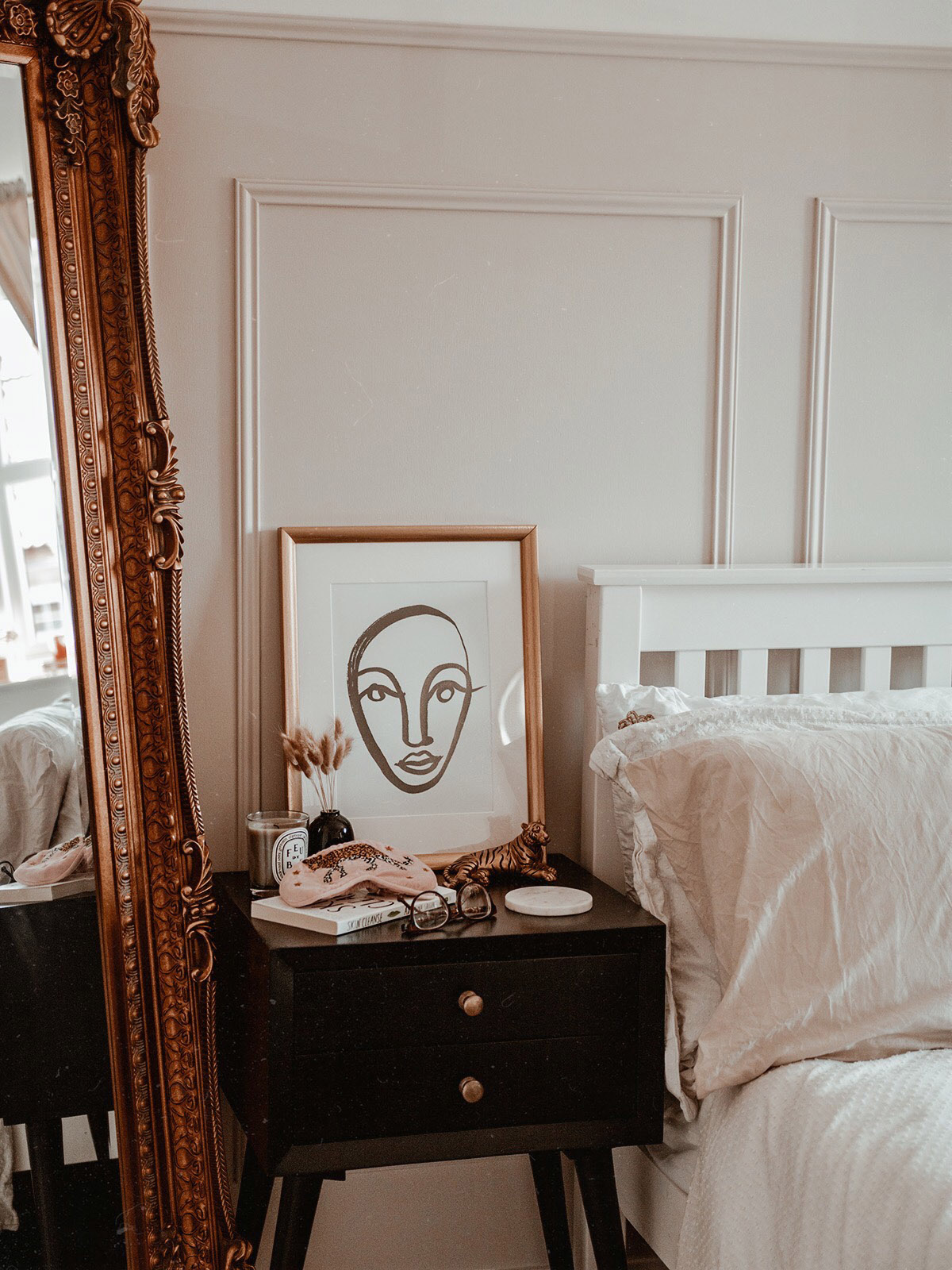
This is where your initial vision truly comes to life. With the structural work done and the dust settling, you can focus on the fun part: the interiors. This includes choosing paint colours, flooring, lighting, furniture and accessories. Refer back to your original mood board to ensure your choices are cohesive and create the atmosphere you envisioned. Don’t be afraid to mix high-end pieces with more affordable finds to create a look that is personal and unique to you. This final stage is all about adding the personality and warmth that makes a house a home.
With thoughtful planning and the right team, you can transform your property into the home you’ve always dreamed of.