
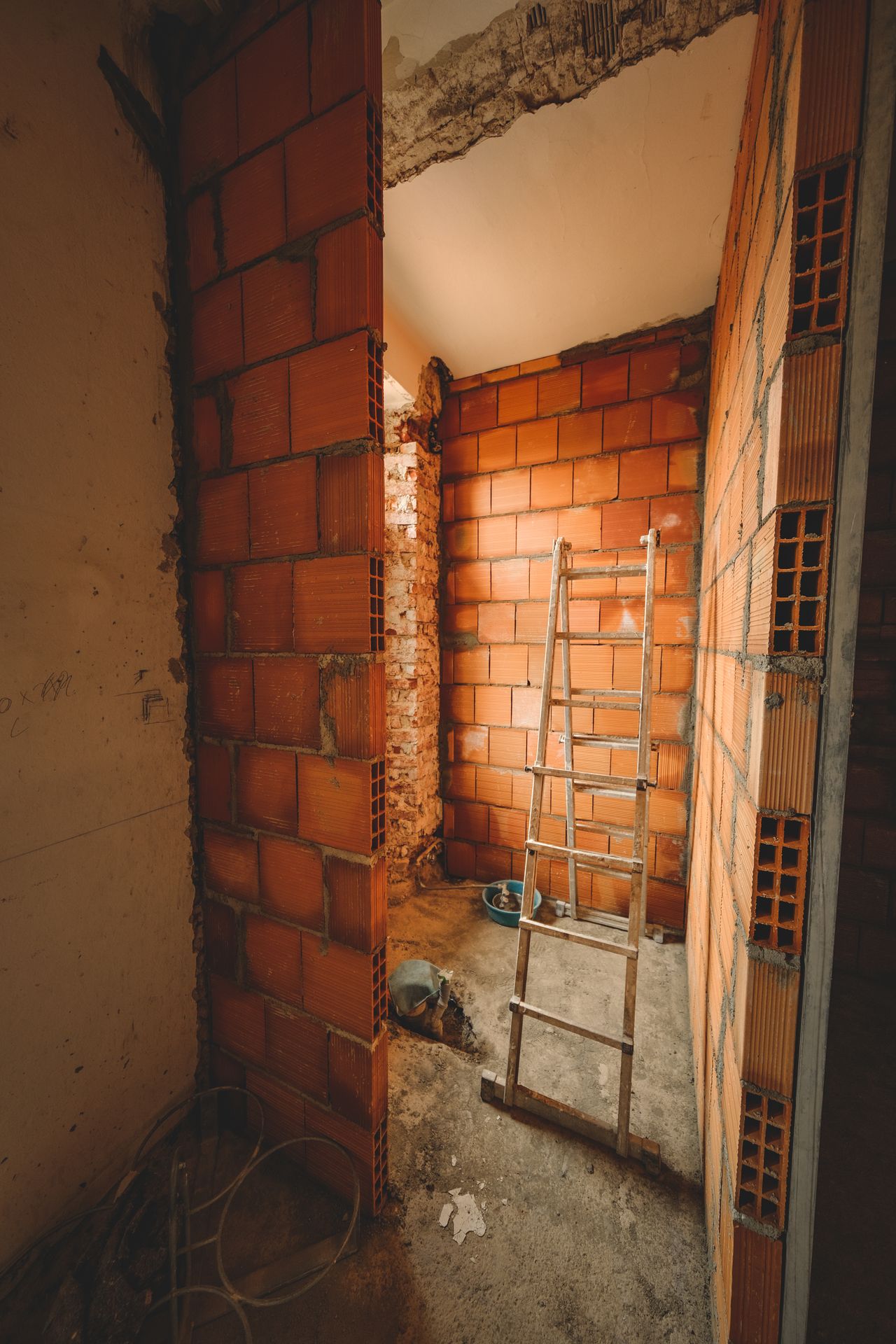
Dreaming about a big home renovation is the fun part, right? You probably spend hours scrolling through Pinterest, saving pictures of amazing kitchens with huge islands and bathrooms that feel like a spa, or bathrooms and perfectly organised loft conversions. But once you snap out of the daydream, figuring out how to pay for it all can feel pretty overwhelming. Taking on a big project is a huge step, and for most of us, the budget is the biggest hurdle. Getting it right from the start can mean the difference between a smooth, exciting project and a stressful, unfinished money pit.
The good news is, with a little planning and smart thinking, you can create a realistic budget that turns your renovation dreams into a beautiful reality. You might even find some double glazing grants to help out. Let’s dig into how to handle the money side of things for those bigger home projects.
Setting Realistic Renovation Goals
Before you even start thinking about numbers, you need to be clear on what you actually want to achieve. It’s easy to get carried away, but a successful renovation always starts with a solid plan. A great way to kick things off is by splitting your wish list into two groups: ‘needs’ and ‘wants’.
A ‘need’ is something you absolutely have to have. For instance, if your roof is leaking, replacing it is definitely a need. If your boiler is about to give up, a new one is a non-negotiable need. These are the essential parts of your project. A ‘want’ is something you’d love to have, but could live without if money gets tight. That fancy coffee machine built into the wall? Probably a want. Underfloor heating in the bathroom? It’s lovely, but it might just be a want.
This exercise isn’t about crushing your dreams; it’s about being smart. By figuring out your priorities early on, you’ll know exactly where you can cut back if you need to. It also helps you talk clearly with architects or builders. When you’re ready to put numbers to these goals, you can learn how to create a home renovation budget that fits your vision and your bank account. Be honest with yourself about how you use your space and what changes will truly make your daily life better.
Creating a Comprehensive Budget
Once you’ve got your goals sorted, it’s time to get into the nitty-gritty of the budget itself. A common mistake is only thinking about the high, obvious costs like materials and labour. A really good budget covers everything, right down to the last light switch.
Start by breaking your project into different stages and listing all the possible costs for each one. Your budget should include:
- Materials: This means everything from tiles and wood to paint and plaster. Check prices online and visit showrooms to get an idea of costs.
- Labour: Unless you’re a DIY pro, you’ll be paying tradespeople. This is often the biggest chunk of the budget.
- Professional Fees: Don’t forget to factor in costs for architects, structural engineers, or interior designers if you’re using them.
- VAT: Remember that VAT (currently 20%) will be added to most materials and labour from VAT-registered businesses.
- Contingency Fund: This is important. You should always put aside an extra 10-20% of your total budget to cover unexpected problems. Old houses are famous for hiding surprises, and you don’t want a discovery to completely derail your project.
Building a detailed spreadsheet is one of the most effective strategies for budgeting. It lets you keep track of spending as you go and see exactly where your money is going. It might seem like a lot of work at first, but this detailed plan will be your best friend throughout the renovation.
Exploring Funding Options
So, you have your dream plan and a detailed budget. Now for the big question: how are you going to pay for it? For most people, a large renovation involves a mix of money sources. The easiest option, of course, is using your savings. If you’ve been putting money aside for this project, you’re in a great spot.
However, many bigger projects need more cash than personal savings can cover. Other common ways to fund them include remortgaging your home to use some of your home’s value or taking out a specific home improvement loan. It’s smart to chat with a financial advisor to figure out which option is best for your situation. They can help you look at interest rates, repayment terms, and any possible impact on your current mortgage.
These schemes can help lower the cost of making your home more energy-efficient, which saves you money on bills in the long run. Every little bit helps, and getting a grant for one part of the project can free up funds for something else on your wish list.
Prioritising Your Investments
When your budget isn’t endless, you have to make smart choices about where to spend your money to get the most bang for your buck. It’s a balancing act between what will make you happiest and what will add the most value to your property.
Areas that usually give you a good return on investment include kitchens and bathrooms. These are the rooms buyers really look at, and a modern, well-designed space can significantly boost your home’s appeal and value. But don’t just focus on the visible, ‘wow-factor’ stuff. Investing in the ‘boring’ things is just as important. This includes things like updating the electrics, installing a new boiler, or improving insulation. While they aren’t as exciting as picking out new worktops, these improvements make your home safer, more comfortable, and cheaper to run. There are many helpful budgeting tips to consider when deciding where to put your money for the biggest impact.
Think about how long things will last. It might be tempting to go for trendy tiles or a fashionable colour scheme, but will you still love them in five years? Sometimes, spending a bit more on classic, high-quality finishes that will stand the test of time is a smarter investment than chasing the latest trend.
Working with Professionals
Your relationship with your builders and other tradespeople can either make or break your renovation experience and your budget. Picking the right team is one of the most important decisions you’ll make. Never, ever just go with the first quote you get. Always aim to get at least three detailed, written quotes from different companies.
When comparing quotes, make sure you’re comparing apples to apples. A really cheap quote might be missing key things that will be added on as ‘extras’ later. A good quote will clearly break down all the costs. Ask for references and, if you can, go and see examples of their previous work. A reputable professional will be happy to provide these.
Once you’ve chosen your team, insist on a formal contract. This should clearly lay out all the work, a payment schedule, and an estimated timeline. The payment schedule should be tied to project milestones, not specific dates. For example, you might pay a certain amount once the structural work is done, another after the first-fix electrics, and so on. This protects you from paying for work that hasn’t been completed. Clear communication and a solid contract are your best defences against costs getting out of control.
Budgeting for a big renovation is a huge job, but it’s totally doable. With a clear plan and a firm grip on the numbers, you can stay in control of your project and your finances. Before you know it, you’ll be living in the space you once only dreamed about.