
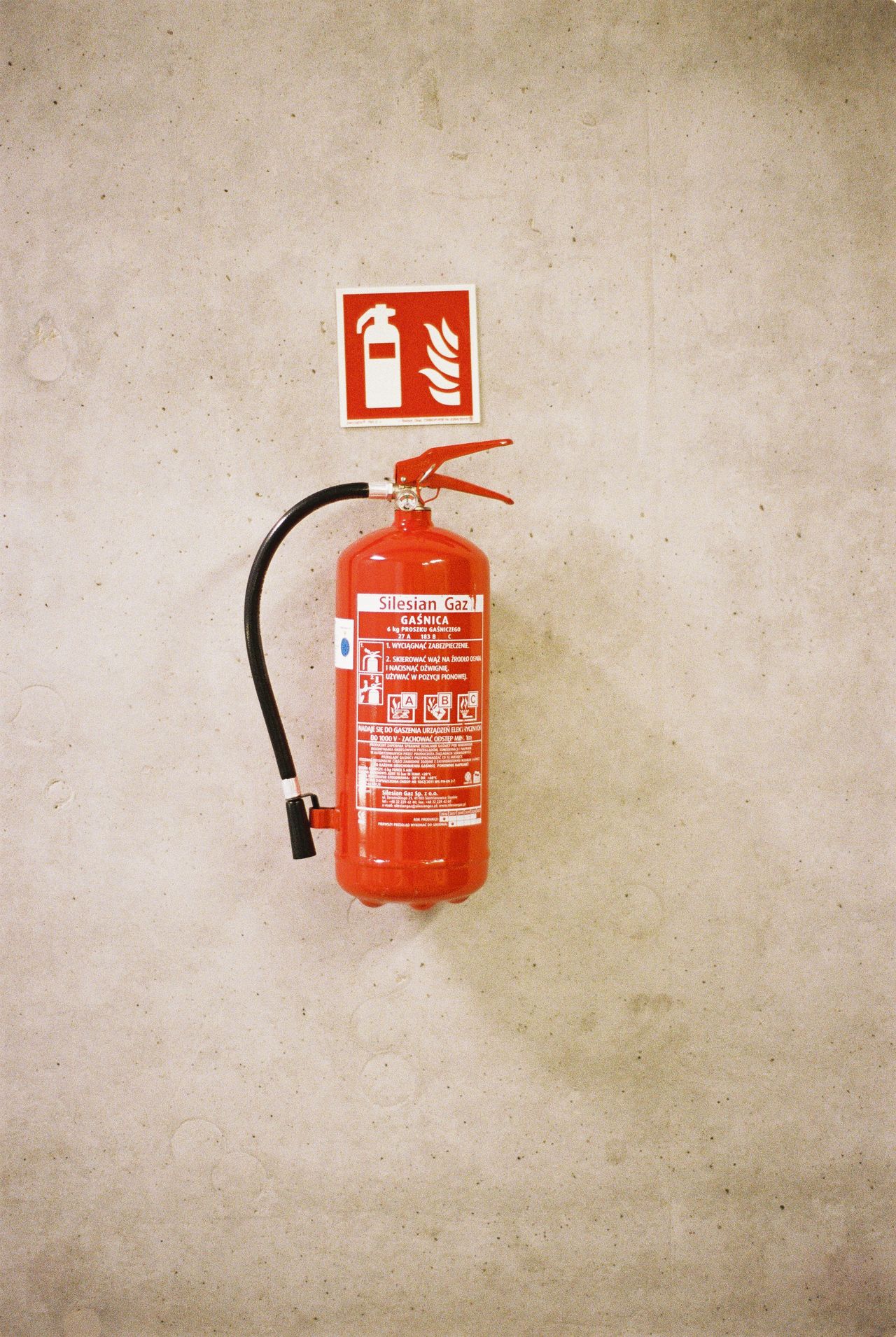
Which Fire Extinguisher for Home Use? A Simple Guide for Busy Households
The best fire extinguisher for home use in most UK households is a small multi-purpose one, usually a 1kg or 2kg ABC dry powder or a foam extinguisher, kept by the exit route rather than next to the hob, plus a fire blanket in the kitchen. That combination covers the fires you are most likely to face at home: a smouldering bin, a sofa cushion, a small electrical fault or a pan that catches. It is not a replacement for working smoke alarms and an escape plan, and the fire service message is consistent: if a fire is anything more than small, get out, stay out and call 999.
Most of us spend more time choosing cushions than thinking about fire safety, which is completely understandable. The good news is that kitting out a house properly is quick, inexpensive and needs no tools. This guide covers fire extinguishers and fire blankets, walking through the main types of fire extinguishers, which ones suit which rooms, what to keep in the kitchen, and the mistakes that make a small fire much worse. All figures were checked in October 2026.
Do you actually need a domestic fire extinguisher?
You are not legally required to have a fire extinguisher in a private house in the United Kingdom, but having one, and knowing when not to use it, gives you a way to put out small fires before they spread. Fire extinguishers are used to buy time in the first few seconds after a fire starts, not to fight a blaze. The government’s own fire safety in the home guidance puts it neatly: “Fire extinguishers can be useful if the fire is very small or blocking your exit.”
The figures show why that window matters. In the year ending March 2026, fire and rescue services in England attended 23,795 accidental dwelling fires, according to the Ministry of Housing, Communities and Local Government’s detailed analysis of fires, published in August 2026. In around a third (34%) of dwelling fires, the damage went no further than the item that first caught fire, and 29% caused no fire damage at all. Plenty of house fires start small. What happens in the first minute decides whether they stay that way.
The same report found that a smoke alarm was not present in 23% of dwelling fires. So before you buy anything else, test your smoke alarms. The government advice is to test them at least monthly.
Classes of fire: the different types of fires explained simply
Fires are grouped into classes by what is burning, and every fire extinguisher is labelled with the classes it can safely tackle. Matching the type of extinguisher to the type of fire is the whole point, because the wrong one can make things worse and increase the risk of fire spreading. As Devon and Somerset Fire and Rescue Service puts it on its fire safety equipment page, “There is no single type of fire extinguisher that can deal with all types of fire.”
- Class A: solid materials such as wood, paper, textile, soft furnishings, clothing and plastics.
- Class B: flammable liquids such as petrol, paint thinners and some oils.
- Class C: flammable gases such as butane or propane. Class C fires are best dealt with by turning off the gas supply, if it is safe to do so.
- Class D: burning metals. You are very unlikely to meet these at home.
- Class F: cooking oils and fats, the classic chip pan or deep fat fryer fire.
- Electrical: fires involving live electrical equipment. There is no “Class E” in the UK; extinguishers that are safe on electrics show an electrical symbol instead.
In a typical house, Class A fires and electrical fires are the most likely fire risks, with Class F a real risk in the home kitchen. That is why a multi-purpose extinguisher plus a blanket covers most households so well.
Each type of fire extinguisher and what it does
Extinguishers come in five main types in the UK, and each has a coloured band on its red body so you can tell them apart at a glance. Here is how they compare for domestic use.
| Extinguisher type | Label colour | Safe on | Do not use on | Best place at home |
|---|---|---|---|---|
| Water (including water mist) | Red | Class A: wood, paper, fabric | Cooking oil, flammable liquids, and electrics unless the label says it is safe on electrical equipment | Rarely the best choice for homes; better for offices and hallways |
| Foam (AFFF) | Cream | Class A and Class B | Cooking oil; check the label before using near electrics | Hallway, landing, garage |
| ABC dry powder | Blue | Class A, B, C and electrical | Cooking oil; enclosed spaces, as the powder cloud makes it hard to see and breathe | Garage, shed, car, caravan |
| CO2 (carbon dioxide) | Black | Class B and electrical | Cooking oil; small confined rooms, as the gas displaces oxygen | Home office or near a consumer unit |
| Wet chemical | Yellow | Class F cooking oil fires, and Class A | Electrical fires | Kitchen, near the exit rather than beside the hob |
Sources: Devon and Somerset Fire and Rescue Service; Which? (May 2026).
Water fire extinguishers and foam fire extinguishers
A water fire extinguisher works by cooling burning material, and the jet from the extinguisher soaks into wood, paper and fabric so the fire is less likely to reignite. Standard water extinguishers must never be used on electrical items or cooking oil. Water mist extinguishers spray a fine mist instead, and some models are tested as safe for use near electrical equipment, so always read the label. Foam fire extinguishers handle Class A fires and flammable liquids, which makes them a good extinguisher for the home hallway or garage, as long as you check whether yours can be used on electrical appliances.
Is a dry powder fire extinguisher safe to use indoors?
The ABC dry powder fire extinguisher is the most popular home extinguisher because it can be used to tackle so many different types of fires, including Class C fires, and consumer group Which? recommends a blue dry powder extinguisher for most homes. The catch is the mess and the cloud. Devon and Somerset Fire and Rescue Service advises that “dry powder fire extinguishers should not be used in enclosed spaces”, because the fine powder reduces visibility and is unpleasant to breathe. It is ideal for the garage, the car or an open-plan space with a clear exit, and less ideal for a small bedroom or a downstairs loo.
Is a CO2 fire extinguisher good for home use?
A CO2 fire extinguisher is excellent for electrical fires because it leaves no residue on your laptop, mobile phone charger or TV. CO2 extinguishers work by starving the fire of oxygen. It is less useful as your only extinguisher, though, because it does little on burning furniture or fabric, and when using CO2 extinguishers in a small room the gas can be harmful. Think of it as a sensible extra for a home office, not your main line of defence.
Which fire extinguisher for the kitchen?
For the kitchen, the honest answer is a fire blanket first, and a wet chemical extinguisher second if you want one. Cooking causes more house fires than anything else, and kitchen fires involving hot oil are among the most dangerous. Cooking appliances were the largest specified ignition source in England’s accidental dwelling fires, accounting for 42% of them in the year ending March 2026, and Devon and Somerset Fire and Rescue Service says “over half of the fires we attend start in the kitchen.”
Why a fire blanket comes first
A fire blanket is a sheet of fire-resistant woven fabric that smothers a small fire by cutting off its oxygen. It is cheap, needs no servicing in the way an extinguisher does, and anyone in the family can use it. It can also be used to wrap a person whose clothes are on fire. When you buy one, look for the British Standard mark, BS EN 1869:1997 or BS 7944:1999, and fix it to the wall where you can grab it without reaching over the hob. If you are planning a renovation, it is worth deciding where it will live at the design stage, alongside the fun bits like the larder and the range cooker in Gemma’s own kitchen renovation moodboard.
Wet chemical fire extinguishers and chip pan fires
A wet chemical fire extinguisher, the one with the yellow label, is the only type rated for Class F cooking oil fires. It cools the burning oil and forms a soapy layer over the surface to stop it reigniting. These extinguishers are also suitable for Class A fires, but not electrics. Fire services, however, are very cautious about people tackling chip pan and oil fires themselves. Devon and Somerset Fire and Rescue Service says you should “never use a fire extinguisher for a chip pan fire”, and the government guidance is simply never to throw water over a pan fire. If a pan of oil catches fire, turn off the heat only if it is safe to do so, do not move the pan, get everyone out and call 999.
The easiest fix is prevention. The government’s advice is to use a thermostat-controlled electric deep fat fryer, which cannot overheat, and to turn off the heat and leave oil to cool if it starts to smoke.
What size do you need: a 1kg ABC dry powder or a 2kg dry powder fire extinguisher?
For most houses, a 1kg ABC dry powder or a 2kg dry powder fire extinguisher, or a 1 to 2 litre foam or water mist model, is the right size. Domestic models are light enough for most adults to lift and aim with one hand, and big enough to deal with the kind of small fire you should ever attempt to tackle. Larger 6kg or 9 litre units are designed for business use and are heavy and awkward in a narrow hallway.
A 1kg unit gives only a few seconds of discharge, so it really is for the very early stages of a fire. If you have a larger house, a garage or a workshop, two small extinguishers in different places are more useful than one big one in a cupboard.
Where to keep a home fire extinguisher
Keep your fire extinguisher on your way out of the house, not deep inside the room where a fire starts most often. If a fire blocks the route between you and the extinguisher, it cannot help you. Good spots include:
- The hallway or landing: a central point most rooms lead to, ideally near the front door.
- The kitchen doorway: a fire blanket on the wall and, if you choose one, a wet chemical extinguisher by the door rather than beside the cooker.
- The garage or workshop: a dry powder or foam extinguisher suitable for use around tools, paint and fuel.
- Near a wood burner: if you have a stove, keep a suitable extinguisher in the room and a carbon monoxide alarm fitted. Gemma’s post on how they added a log burner to their new build shows how much planning goes into a stove, and a small extinguisher deserves a spot in that plan too.
- In the car or caravan: a small dry powder extinguisher secured in a bracket, ready for a small car fire.
Mount extinguishers on a wall bracket or fire extinguisher holder at a height adults can reach easily and small children cannot, so the extinguisher is always in the same place.
What about e-bike and lithium battery fires?
Lithium-ion battery fires are a growing worry for families, and the advice here is clear: do not try to tackle one yourself. London Fire Brigade recorded 206 e-bike and e-scooter fires in London in 2025, a record, and its guidance on what to do in an e-bike fire is to leave the area, alert others and call 999, because these fires spread rapidly and give off toxic smoke. Specialist products such as the Lith-Ex fire extinguisher are sold for lithium battery fires, but your best protection is charging batteries while you are awake, away from your escape route, and never leaving them on charge overnight in the hallway.
Using a fire extinguisher safely
Only tackle small fires, and only if you have a clear way out behind you and someone has already called 999 or is doing so. Many extinguishers follow a simple sequence often remembered as PASS:
- Pull the safety pin.
- Aim the nozzle at the base of the fire, not the flames.
- Squeeze the handle.
- Sweep from side to side until the fire is out.
Read the instructions on your own extinguisher now, while there is no fire, because models differ. If the fire is not shrinking within a few seconds, stop, get out and close the door behind you.
A real-life scenario: the toaster that catches
Imagine the toaster catches fire on a busy school morning. The first move is to switch it off at the wall if you can reach the socket safely. Do not use water, as it is a live electrical appliance. A CO2 or ABC fire extinguisher, both of which are designed to be used on electrical fires, is suitable, aimed at the base of the flames from a safe distance. If the flames reach the wall cupboards, or you cannot get to the plug, forget about extinguishing the fire. Get everyone out, close the kitchen door, and call 999 from outside.
Fire extinguisher features to check, and how to look after yours
Choosing the extinguisher you need is only half the job; it has to work on the day. When you buy fire extinguishers, Devon and Somerset Fire and Rescue Service advises choosing ones with a Kitemark or British Approvals for Fire Equipment (BAFE) mark, and having them regularly serviced by a qualified person. Between services, a quick monthly look is enough:
- Check the pressure gauge needle is in the green zone.
- Make sure the safety pin and tamper seal are intact.
- Look for dents, rust or a cracked hose.
- Check the expiry or service date on the label.
- Replace or recharge any extinguisher that has been used, even briefly.
Fire blankets are not reusable once they have been used on a fire, so replace them straight away. Good fire protection at home is a mix of alarms, safety products and a plan. If you would like a professional to recommend the right portable fire extinguishers for your home and keep them serviced, Bell Fire & Security supplies domestic-rated units that meet British Standards and explains each type in plain English, though note they cover Scotland only.
Your home fire safety checklist
Use this quick checklist to make sure your home is properly kitted out. Most of the safety setup takes ten minutes and costs very little.
- Working smoke alarm on every floor, tested monthly.
- Carbon monoxide alarm in any room with a fuel-burning appliance.
- Blanket fixed to the kitchen wall, away from the hob.
- A multi-purpose extinguisher in the hallway or landing.
- A dry powder or foam extinguisher in the garage.
- Everyone in the house knows two ways out of every room.
- Door keys kept somewhere everyone can find them in the dark.
- E-bike and scooter batteries charged while you are awake, never in the escape route.
- Extinguishers checked monthly and serviced as the manufacturer advises.
Your questions answered
What is the best fire extinguisher for home use in the UK?
For most UK households, a 1kg or 2kg ABC dry powder or a foam extinguisher is the best all-round choice, paired with a blanket by the cooker. Choose dry powder for garages and cars, and foam or water mist for indoor living spaces where a powder cloud would be a problem.
Is a 1kg fire extinguisher enough for a home?
A 1kg extinguisher is enough for the very small fires you should ever tackle at home, but it only lasts a few seconds. Larger houses benefit from two small extinguishers in different spots rather than one larger unit.
Do fire extinguishers for the home expire?
Yes. Check the date on the label, and look at the pressure gauge monthly. Any extinguisher that has lost pressure, been used, or passed the manufacturer’s service or expiry date should be serviced or replaced.
Can I use a fire extinguisher on a chip pan fire?
Fire services advise against it. Never use water, and do not try to move the pan. Turn off the heat if it is safe to do so, get out and call 999. A wet chemical extinguisher is rated for cooking oil fires, but prevention with a thermostat-controlled fryer is safer.
How many fire extinguishers should a house have?
Most houses are well covered with one multi-purpose extinguisher on each main floor, a blanket in the kitchen, and an extra extinguisher in the garage or workshop if you have one. For more information about fire safety where you live, your local fire and rescue service website is a good place to start.
The right fire extinguisher for home use is the one that suits the rooms you have, sits where you can grab it on your way out, and is backed up by working smoke alarms and a plan everyone knows. Pop a blanket on the kitchen wall this week, test your alarms, and check where your nearest extinguisher actually is. Small jobs, but they matter.
Do you have a fire blanket or extinguisher at home, and where do you keep yours? Let us know in the comments.
Sources
- Fire safety in the home (accessible version), GOV.UK, 2022-05-25
- Detailed analysis of fires and response times to fires attended by fire and rescue services, England, year ending March 2026, Ministry of Housing, Communities and Local Government, 2026-08-19
- Fire safety equipment, Devon and Somerset Fire and Rescue Service, undated, accessed 2026-10-12
- 6 must-haves for fire safety at home, Which?, 2026-05-20
- Record number of e-bike and e-scooter fires across London in 2025, London Fire Brigade, 2026-01-28
- What to do if there’s a fire caused by an e-bike or e-scooter, London Fire Brigade, undated, accessed 2026-10-12
Schema recommendations: BlogPosting (headline, author, datePublished, dateModified, publisher Gemma Louise, about: home fire safety), FAQPage for the five questions under ‘Your questions answered’, and HowTo for the four-step PASS method under ‘Using a fire extinguisher safely’.