
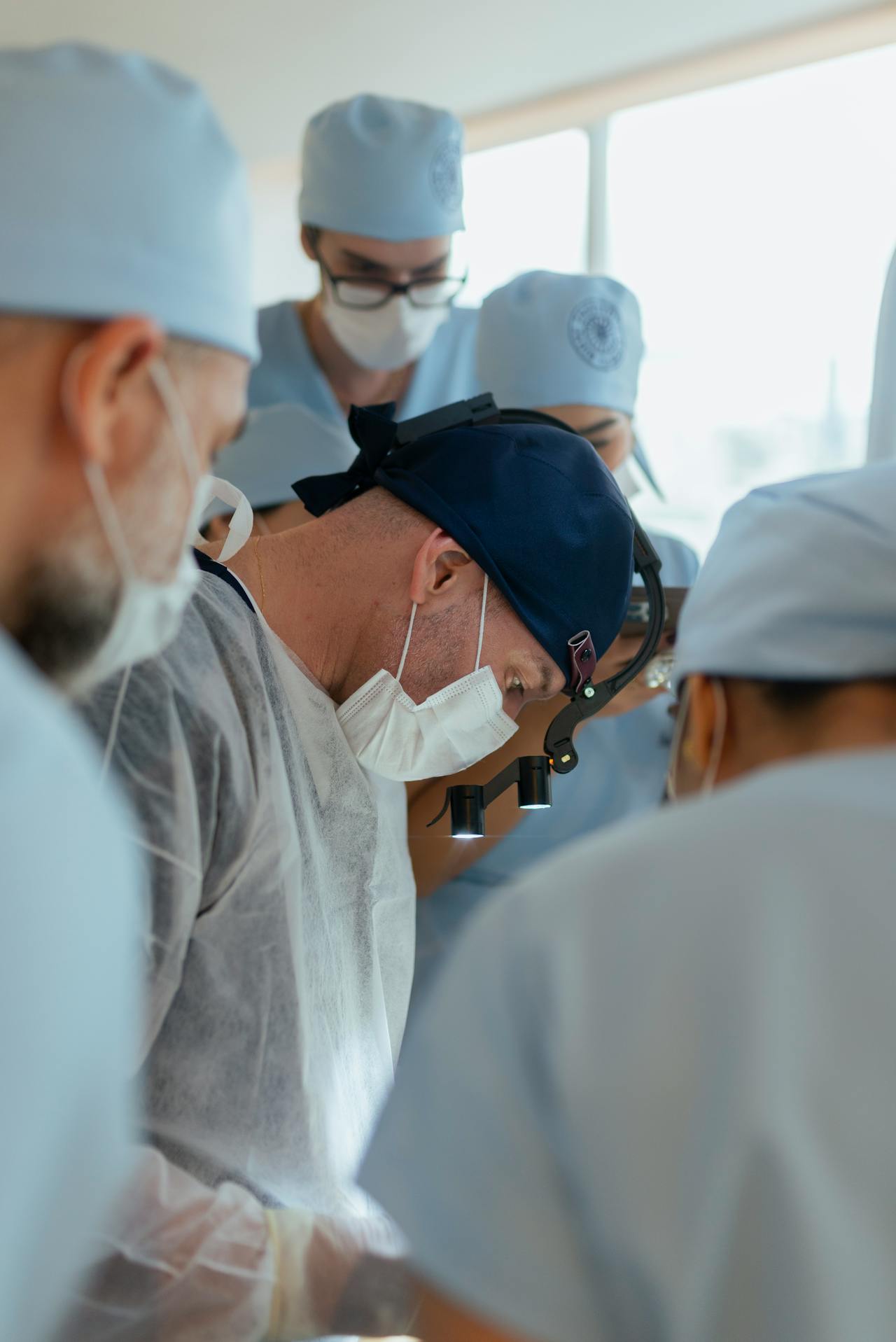
Beard to Scalp Transplants: Criteria for Success
Beard to scalp transplants have emerged as a powerful solution for patients with insufficient scalp donor supply. This specialized form of Follicular Unit Extraction (FUE) involves harvesting facial hair from the beard area and implanting it into thinning or balding recipient sites on the scalp. While the procedure offers 80-95% graft survival rates, success depends critically on donor area suitability, texture compatibility, and proper patient selection.
When Beard Hair Works: Ideal Candidate Criteria
Insufficient Scalp Donor Supply
Beard hair becomes a viable option when traditional scalp donor areas cannot provide adequate grafts. According to research published in PMC’s body hair transplantation studies, patients with less than 80 grafts/cm² in the scalp donor area are considered poor candidates for standard FUE. These individuals often include those with advanced androgenetic alopecia, previous failed transplants, or naturally limited donor reserves.
The average beard can yield 500-2,500 grafts depending on thickness, growth pattern, and skin type. This substantial graft count makes beard hair the preferred secondary donor source when scalp supply is exhausted.
Previous Transplant Recipients
Patients who have undergone multiple hair transplant procedures often deplete their scalp donor zones. Beard hair transplantation offers these individuals a second chance at achieving adequate coverage. The technique is particularly effective for repair cases where additional grafts are needed to improve density or correct previous aesthetic issues.
According to clinical data, beard hair extraction leaves minimal visible scarring due to the shallow depth of scoring required (1-2mm compared to scalp hair’s 3-4mm depth). This makes it an attractive option for patients concerned about donor area depletion.
High-Density Requirements for Crown and Mid-Scalp
| Target Area | Suitability | Reason |
|---|---|---|
| Frontal Hairline | Not Suitable | Beard hair’s coarse texture creates unnatural appearance |
| Temples | Limited Use | Texture mismatch visible in close viewing |
| Mid-Scalp | Highly Suitable | Thickness provides excellent coverage |
| Crown | Highly Suitable | Coarse diameter creates visual density |
| Vertex | Highly Suitable | Less visible texture differences |
Beard grafts are denser and coarser than scalp hair, providing cosmetically better coverage in areas requiring volume. Research demonstrates that beard hair contains close to twice as many cuticle layers as scalp hair follicles, making it ideal for creating the illusion of density in thinning crown regions.
Understanding Beard Hair Characteristics
Structural Differences from Scalp Hair
Beard hair is not identical to scalp hair in structure or behavior. The follicles grow in thick single units with significantly greater diameter and shaft thickness. This coarse calibre provides cosmetic advantages in certain areas but limitations in others.
According to research from the International Society of Hair Restoration Surgery, beard hair maintains its original characteristics after transplantation. There is no change in colour, curl, or calibre—the transplanted hair retains the same properties as its original location.
Growth Cycle and Length Potential
| Hair Type | Anagen Phase | Growth Rate | Maximum Length |
|---|---|---|---|
| Scalp Hair | Several years | 0.35-0.4mm/day | 30-40+ inches |
| Beard Hair | Few months | 0.4mm/day | 3-6 inches |
| Chest Hair | 2-3 months | 0.2-0.35mm/day | 2-4 inches |
Beard hair has a shorter anagen (growth) phase compared to scalp hair—typically a few months rather than several years. This results in a maximum growth length of 3-6 inches, which is shorter than scalp hair but longer than most other body hair sources.
According to studies, between 30% and 85% of body hairs are in the telogen (resting) phase at any given time. However, beard hair demonstrates the highest percentage of active growth among non-scalp donor sources, contributing to its superior transplant success rates.
Texture Matching Considerations
Successful texture matching requires careful assessment during consultation. The best body donor follicles for transplantation to the scalp are those that produce hair most similar in length, texture, and behavior to scalp hairs.
Specialists must evaluate whether the patient’s beard hair color, curl pattern, and thickness will blend acceptably with existing scalp hair. For example, if beard hairs are curly, dark, and reddish while the patient’s scalp hairs are fine, straight, and blonde, the result will not look natural, according to facial plastic surgery experts.
Success Rates and Clinical Evidence
Graft Survival Data
Multiple clinical studies have examined beard to scalp transplant outcomes. According to research published in PMC examining anagen effluvium and survival rates, beard hair demonstrates excellent performance:
- Beard hair survival rate: 95% at 1 year
- Scalp hair survival rate: 89% at 1 year
- Chest hair survival rate: 76% at 1 year
During the initial 2-month period, anagen effluvium (shock loss) was significantly less in beard hair (30%) compared to chest hair (53.3%), though slightly higher than scalp hair (40%).
A separate study examining mixed grafts reported survival rates of 95.7 ± 1.6% when combining beard and scalp hair, demonstrating that beard grafts do not negatively impact overall transplant success when properly integrated.
Factors Contributing to High Success Rates
According to clinical evidence, the better growth of beard hair can be explained by several factors:
- Increased thickness: Coarser diameter provides better anchoring
- Faster growth rate: Approaches scalp hair rates at 0.4mm per day
- Shallow extraction depth: 1-2mm scoring reduces trauma compared to 3-4mm for scalp
- Higher root density: More cuticle layers provide structural integrity
The survival rate of beard hair transplanted to the scalp is uniformly high and consistently impressive in how quickly it heals, according to hair restoration specialists.
Long-Term Outcome Expectations
Patients should expect initial growth within 3-4 months, with full density visible at 12-18 months. The transplanted beard hair will continue growing in cycles matching its original growth pattern—shorter maximum length but continuous regeneration.
According to expert opinions, beard-to-scalp transplants are a well-established and highly successful procedure when performed by experienced surgeons using proper techniques. Success rates of 80-95% graft survival after 12-18 months are standard in experienced hands.
When Beard Hair Doesn’t Work: Contraindications
Insufficient Beard Density
The greatest limitation is whether there are sufficient donor hairs from the beard to be transplanted. Patients with naturally sparse facial hair may only yield 200-500 grafts—insufficient for meaningful scalp coverage.
Harvesting from an already sparse beard can create visible gaps and unnatural facial hair patterns. A thorough assessment during consultation determines whether adequate beard density exists without compromising facial aesthetics.
Poor Texture Match with Existing Scalp Hair
Significant mismatches in hair characteristics can produce disappointing results. Consider these incompatible combinations:
| Beard Hair | Scalp Hair | Aesthetic Outcome |
|---|---|---|
| Curly, dark, coarse | Fine, straight, blonde | Poor match—visible texture differences |
| Reddish, thick | Black, medium | Moderate match—color discrepancy |
| Straight, dark, medium | Straight, dark, medium | Good match—suitable for blending |
According to research, specialists must tailor each case to minimize visible inconsistencies and ensure natural blending. In cases where texture differences are too pronounced, beard hair transplantation is not recommended.
Active Pattern Baldness with Future Scalp Transplant Needs
Patients undergoing active male pattern baldness face a critical decision. According to facial plastic surgeons, taking hairs from the scalp for beard transplantation creates two major problems:
- Scarring concerns: Removing hairs from the scalp leaves punctate white dots visible if the patient later decides to shave their head
- Resource depletion: Taking precious scalp hairs that may be needed for future scalp transplantation is unwise
However, when using beard hair for scalp restoration rather than using scalp hair for beard restoration, this concern reverses. Patients with aggressive pattern baldness should reserve all stable scalp donor grafts for scalp use and supplement with beard hair where texture matching permits.
Unrealistic Aesthetic Expectations for Hairline Reconstruction
Due to its coarse texture, beard hair is never used for the soft frontal hairline, according to body hair transplant specialists. The frontal hairline requires fine, soft hairs that create a natural gradation—beard hair’s thick diameter produces a pluggy, artificial appearance when placed at the hairline edge.
Patients seeking beard to scalp transplantation must accept strategic placement limitations. Beard grafts excel in crown and mid-scalp density but cannot recreate the nuanced architecture of a natural frontal hairline.
Strategic Placement and Combination Techniques
Optimal Zones for Beard Hair Integration
The key to successful body hair transplantation is interspersing scalp and body follicles. Scalp follicles often comprise the hairline, then gradually blend with beard hair grafts as the placement moves toward the crown.
According to research on combination grafting, this strategic approach enhances visual density and provides better coverage for higher grades of baldness. Surgeons create transition zones where both hair types intermix, making texture differences less perceptible.
Hybrid Approaches with FUE and Other Techniques
Many patients benefit from combining multiple donor sources and methods. According to Vinci Hair Clinic’s advanced restoration techniques, hybrid approaches can include:
- Scalp FUE for hairline: 1,000-2,000 grafts of fine scalp hair
- Beard FUE for density: 1,500-2,500 grafts for crown and mid-scalp
- Combination integration: Strategic blending zones for natural transition
This multi-source approach maximizes available donor supply while optimizing aesthetic outcomes. The combination allows comprehensive coverage that neither source could achieve independently.
Managing Texture Differences Through Strategic Distribution
Specialists minimize texture mismatch by following these distribution principles:
- Frontal third: 100% scalp hair (fine texture required)
- Middle third: 70% scalp, 30% beard (gradual transition)
- Crown: 40% scalp, 60% beard (density prioritized)
- Vertex: 30% scalp, 70% beard (maximum coverage)
According to clinical experience, transplanted beard hair may be slightly different in color, slightly coarser in texture, or grow at a slightly different speed to a different maximum length, but proper distribution makes these differences imperceptible to casual observation.
Assessment and Consultation Essentials
Donor Area Evaluation Criteria
During consultation, surgeons evaluate multiple factors to determine beard hair suitability:
Density Assessment: Measuring grafts per square centimeter in both scalp and beard regions Texture Analysis: Comparing diameter, curl pattern, and color between donor sites Growth Pattern: Evaluating direction, angle, and distribution of beard follicles Harvesting Capacity: Calculating total extractable grafts without visible depletion Scarring Risk: Assessing skin type and healing characteristics
Patients with healthy, stable hair growth in the donor area are generally good candidates, according to specialists. However, comprehensive evaluation is essential to determine individual suitability.
Realistic Expectation Setting
Successful outcomes require alignment between patient expectations and achievable results. Surgeons must clearly communicate:
- Texture differences will persist but can be minimized through strategic placement
- Maximum hair length will be shorter for transplanted beard hair
- Growth cycles differ, requiring 12-18 months for full density assessment
- Frontal hairline cannot be reconstructed solely with beard hair
- Additional procedures may be needed for optimal coverage
According to experts, patients who understand these limitations and accept strategic placement constraints achieve the highest satisfaction rates.
Alternative Options When Beard Hair Isn’t Suitable
For patients who are not good candidates for beard to scalp transplantation, several alternatives exist:
Scalp Micropigmentation: Creates the illusion of density through medical-grade pigment Combination Therapy: FUE with PRP or other regenerative treatments Alternative Body Sites: Chest or back hair in select cases Non-Surgical Solutions: Medications, low-level laser therapy, or hair systems Future Transplant Planning: Reserving remaining scalp donor for critical areas


