When you’re renting your home from a landlord, there are certain rules and regulations regarding housing disrepair that need to be adhered to – so landlords can ensure that the property they’re renting out is fit for habitation and safe for tenants to reside in.
However, over time repairs can appear, and if not addressed, they can build up. And even if you don’t want to bother your landlord, there are some signs that really do need to be addressed by both you and the landlord and rectified sooner rather than later.
Damp and Mould on Walls or Ceilings
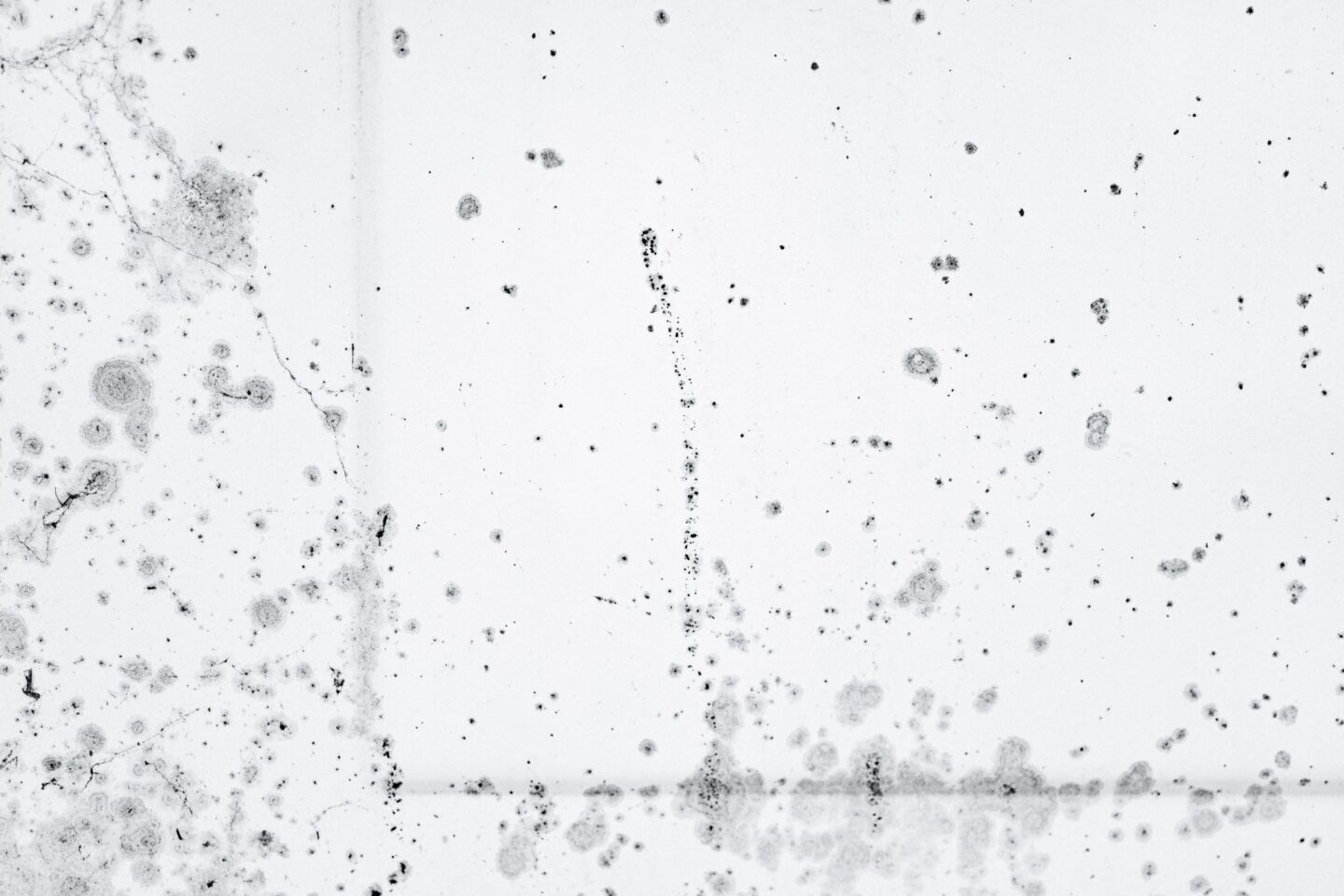
Damp patches, peeling paint or a musty smell are often the first visible signs of a moisture problem that’s been building behind the walls for longer than it looks. Mould growth, particularly black mould around windows in bathrooms or in corners with poor ventilation, is a health hazard as well as a structural one and can worsen respiratory conditions like asthma over time, especially in young children or older residents.
Landlords are legally required to address damp and mould that makes a property unfit to live in, and if a landlord ignores repeated reports, housing disrepair claims become an option worth considering to force the issue and recover costs for any damage caused.
Cracks in Walls or Around Windows
Small hairline cracks are often just cosmetic, especially in older properties that settle naturally over time. Wider cracks, particularly ones that go over weeks or appear alongside doors or windows that stop closing properly, can point to more serious structural movement that needs proper investigation.
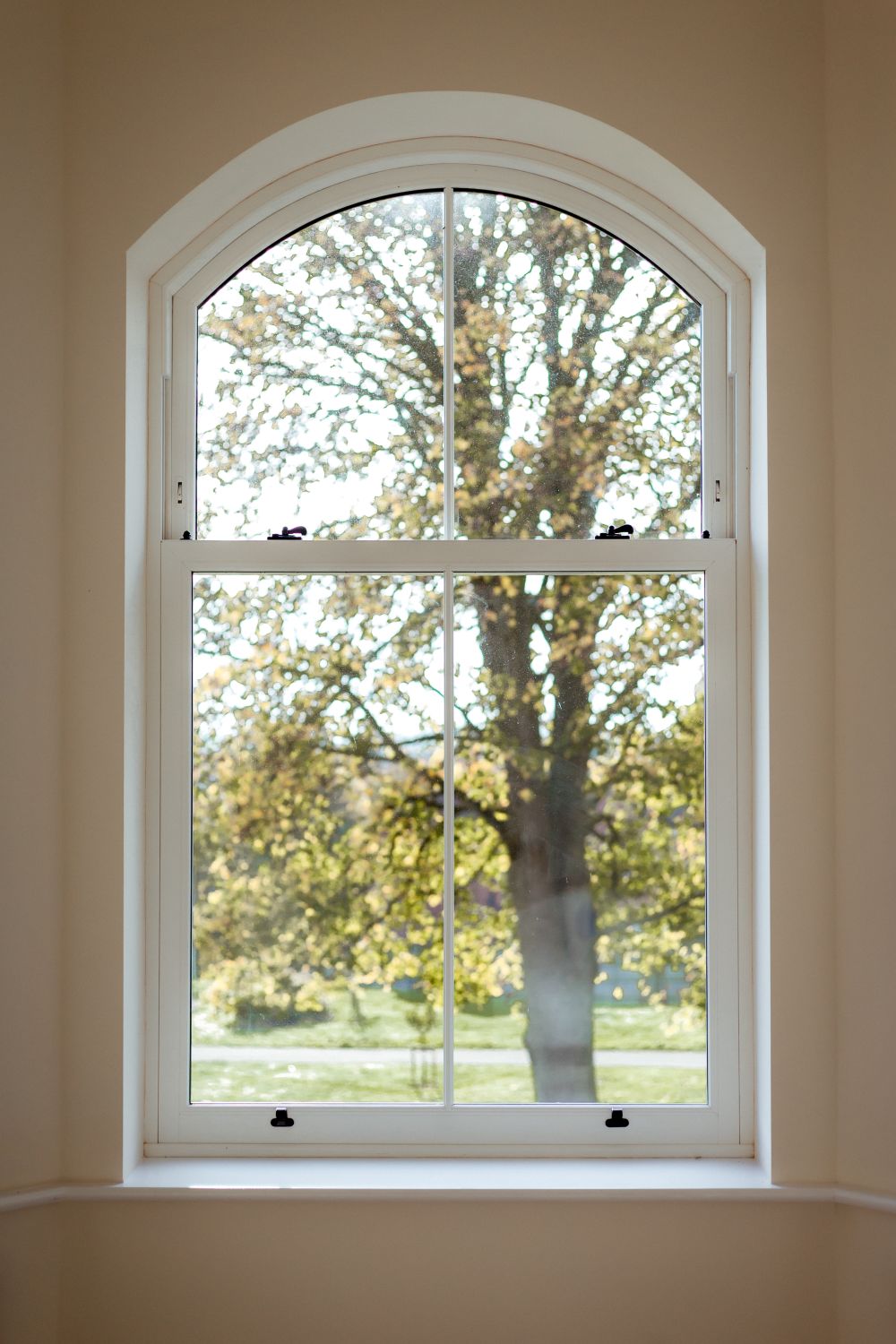
Cracks around window frames specifically can also let in draughts and water and can compound into a damp problem if left unaddressed. Taking dated photos of any crack is worth doing early on since it gives a clear reference point for whether it’s actually getting worse over time.
Faulty Electrics or Frequent Trips
A fuse box that trips repeatedly, sockets that feel warm to the touch or lights that flicker without an obvious cause are all signs of an electrical fault that should not be left unresolved. These issues carry a genuine fire risk, and landlords have a legal duty to keep electrical installations safe throughout a tenancy. Any burning smell or visible scorch marks around sockets or switches should be treated as urgent and reported immediately rather than waited out, and it’s worth avoiding using the affected socket or appliance entirely until it’s been checked.
Persistent Leaks or Water Damage
A dripping tap might just be an annoyance, but water stains on ceilings, warped skirting boards or a consistently damp patch of carpet point to a leak that’s actively causing damage somewhere out of sight. If this is left unresolved, water damage can spread into insulation, flooring and even electrical wiring, turning a simple plumbing fix into a far more expensive repair.
Reporting leaks the moment they’re noticed rather than waiting to see if they get worse is the simplest way to avoid that kind of escalation, and it also creates an earlier paper trail if the issue ends up being escalated.